
 Paweł Warowny
Sri Lanka birds are among the most diverse in Asia. When choosing a destination for our annual trip abroad, the number of bird species I can observe there is always a key factor. This time, our gaze turned eastward in search of exotic destinations. The choice was not difficult — considering our budget and the incredible diversity of birds on offer, Sri Lanka quickly rose to the top of our list. Ceylon, the island of tea, wild nature, fascinating culture and breathtaking beaches, was waiting to be explored. The birds of Sri Lanka were calling!
- Sri Lanka – an island for birdwatchers
- Sri Lanka trip itinerary
- Practical tips for a Sri Lanka birdwatching trip
- Sri Lanka birds trip – summary
Sri Lanka – an island for birdwatchers
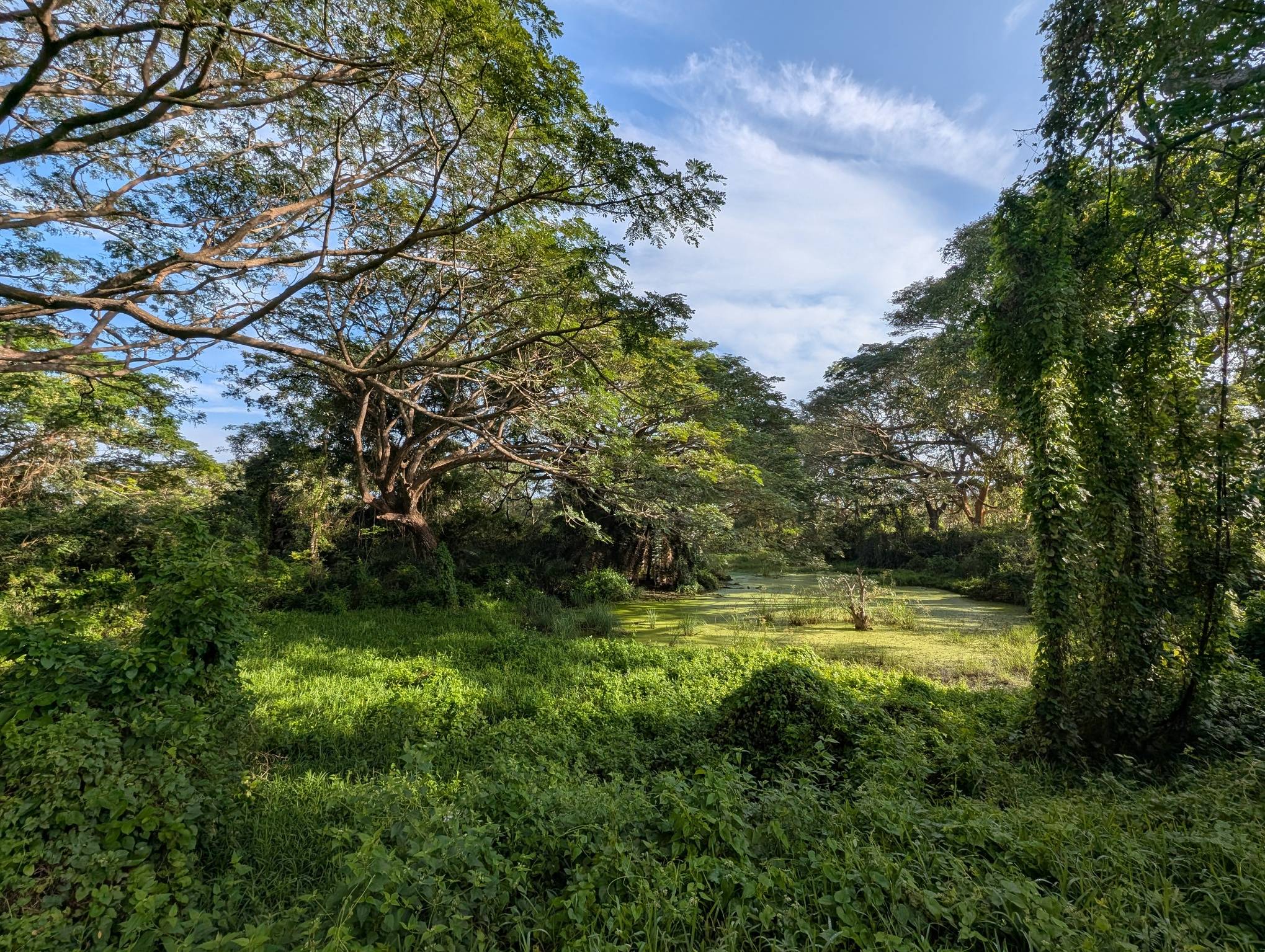
My wife and I make it a tradition to set aside money each year for a shorter or longer international trip. At the end of 2024, we were planning a birdwatching trip to Oman, but when that fell through, we started looking for an equally attractive alternative. We had saved up a solid budget and wanted something exotic — Asia and Sri Lanka quickly became our top choice. Ceylon seemed to offer everything we look for on our travels: rich culture, warm climate, stunning landscapes, sandy beaches and incredible wildlife.
I started my research and discovered that Sri Lanka was not only within our financial reach, but also offered a remarkable diversity of endemic bird species. I ordered the flights, and shortly after — a field guide to the birds of Ceylon. Then I sat down with eBird and mapped out the island in search of locations that would give us both exceptional birding opportunities and a chance to experience Sri Lanka’s unique culture.
Sri Lanka trip itinerary
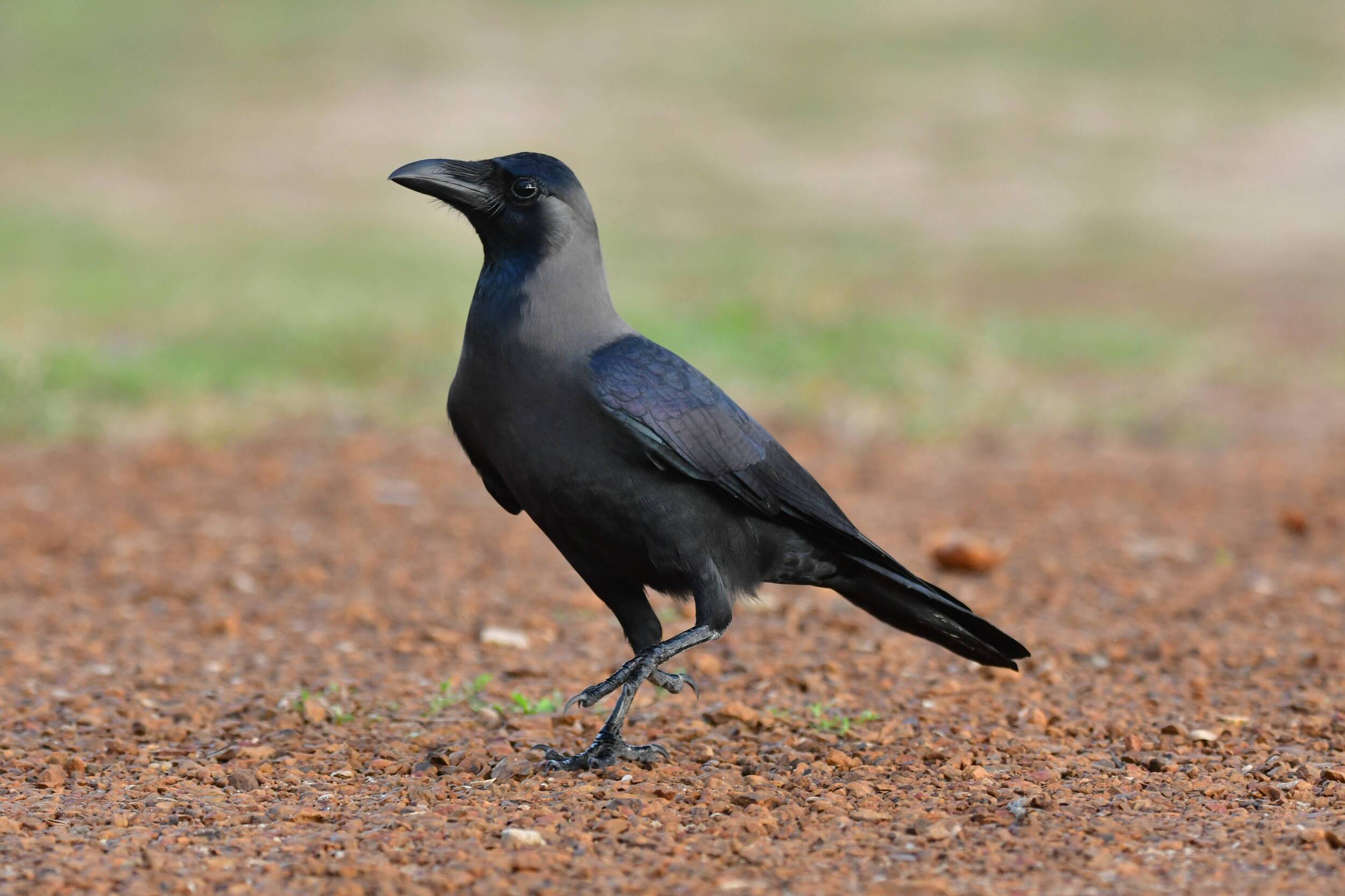
Despite not being a large country, Sri Lanka is incredibly diverse. The island is divided into wet and dry zones, which shift depending on the season. Our trip was planned for January, when the best weather is found in the western and southern parts of the island. During my research, I also discovered that the birds I was most hoping to find are highly localised, meaning we would need to travel quite a bit to reach our goals. After much deliberation, we worked out a plan that — while not perfect — gave us the opportunity to visit many remarkable places and encounter a huge variety of exotic birds and wildlife.
- Landing in Colombo
- Southward route with sightseeing along the way
- 5 nights in Rekawa (near the town of Tangalla)
- 1 night in the Sinharaja jungle
- 2 nights in the town of Sigiriya
- 3 nights in a fishing village on the west coast near Chilaw
- Departure from Colombo to Warsaw
The plan was good, but not flawless. When I was booking, it seemed like we would be close to all the key spots. In reality, transport in Sri Lanka takes far longer than expected — even without relying on public transit. As a result, we have plenty of reasons to return one day!
Birdwatching on the south coast – Rekawa
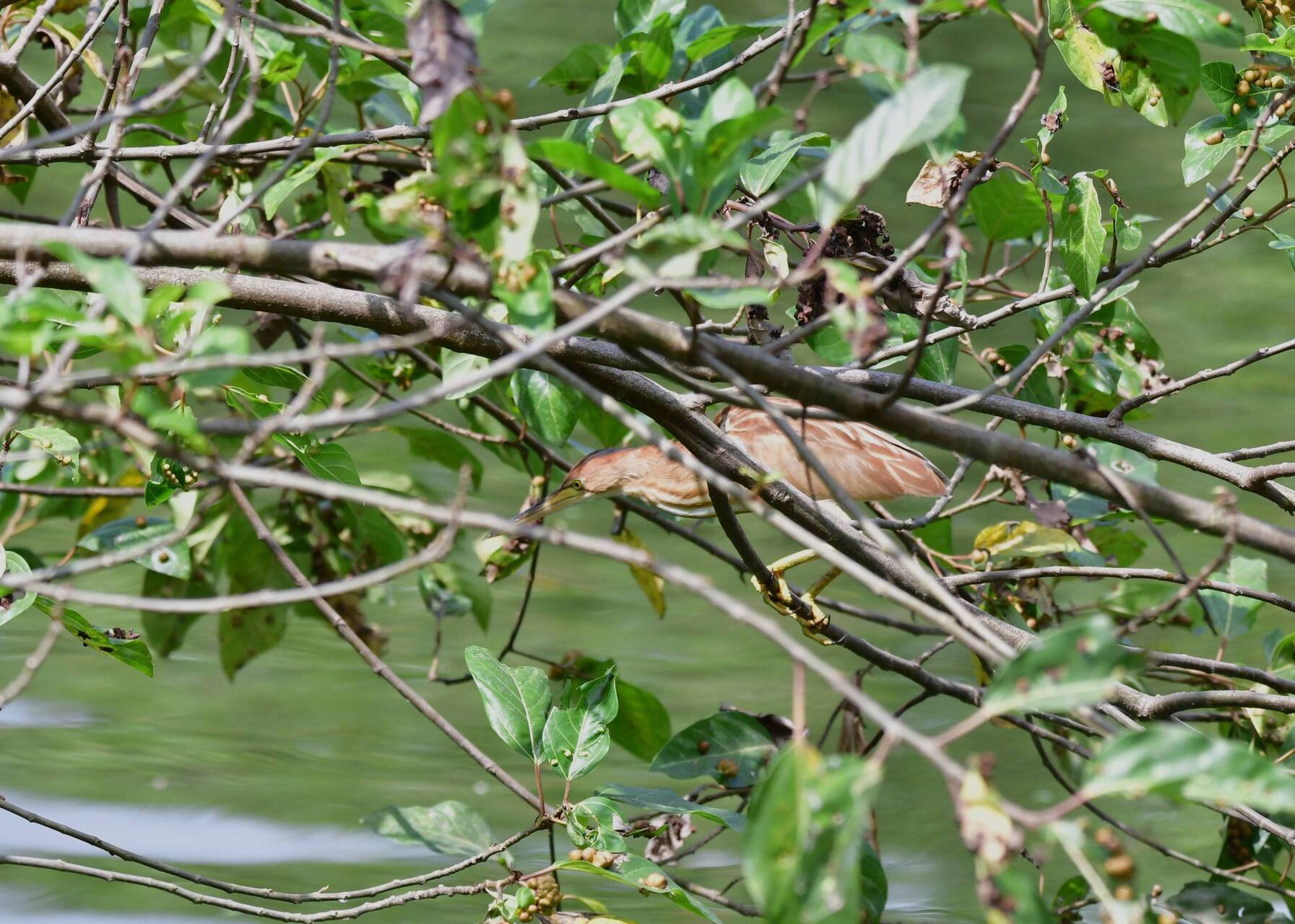
Before reaching our first base on the southern coast, our driver took us to a few interesting spots. At my request, we first stopped at the Bellanvila Attidiya Sanctuary, where we walked along the Nedimala Canal. That first birdwatching session in Sri Lanka was electrifying. Almost every bird was new to me. As it turned out, all but one bird at that location reappeared many times during our trip. The exception was a Yellow Bittern hunting in the reedbeds — spotted only there.
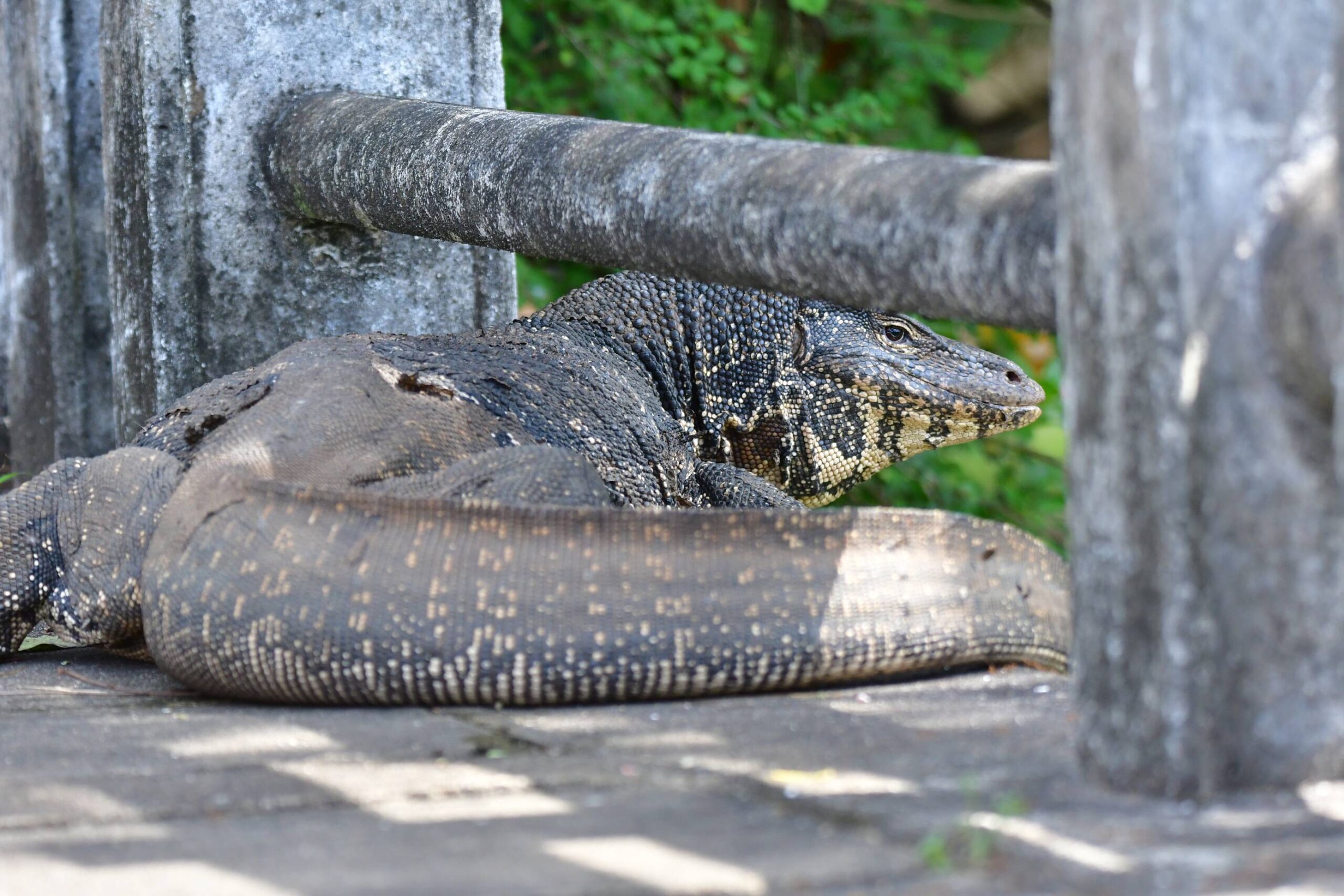
We also had our first encounter with a massive Water Monitor lizard. We would see these reptiles many more times on the trip, but never again so close, and never one so large.
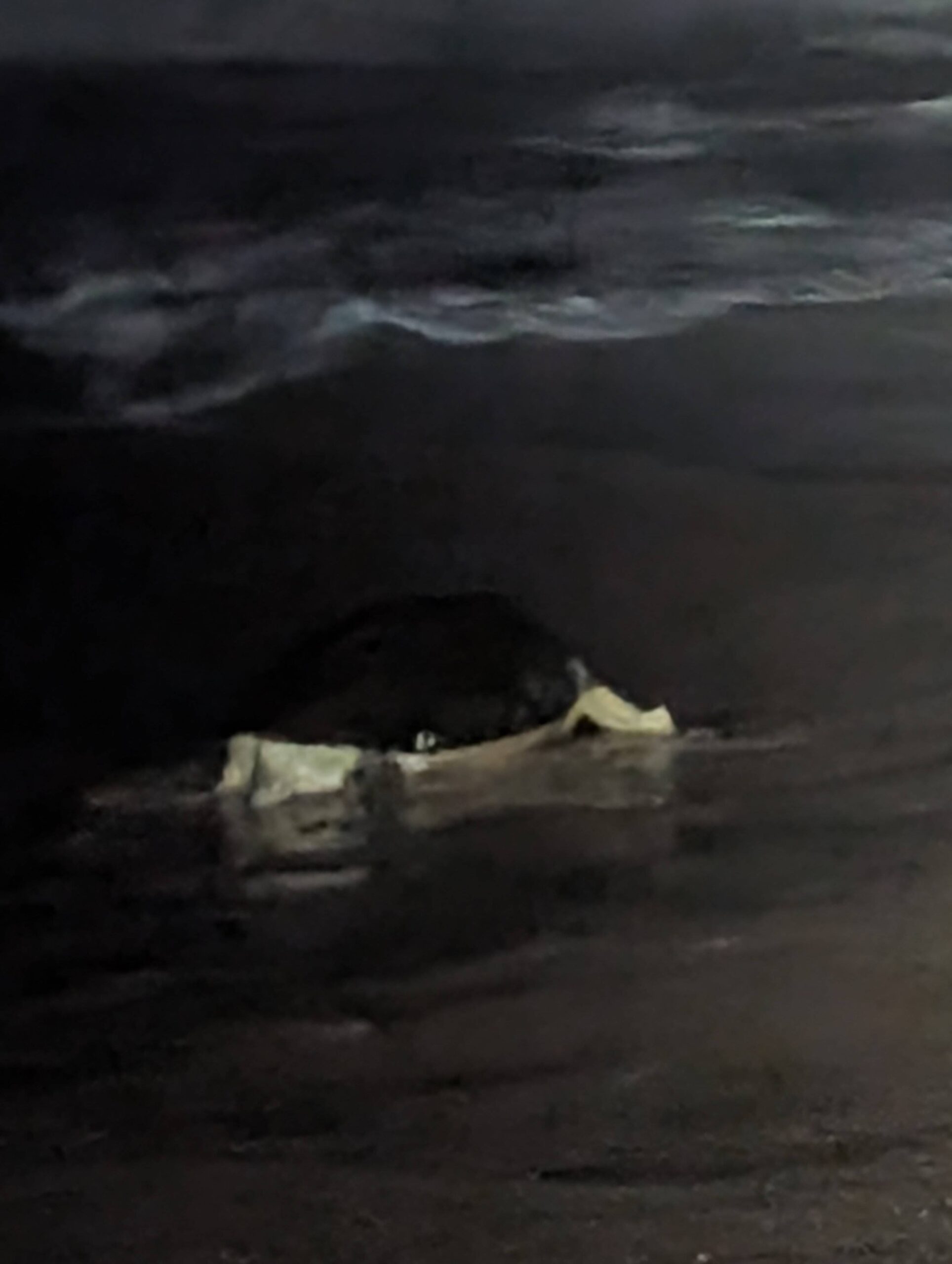
Our first overnight base was perfectly positioned between the sea, the wetlands, and the Rekawa lagoon. The beach in front of our hotel was completely unsuitable for swimming due to powerful waves — but that turned out to be a major advantage. Each January night, female sea turtles ride those waves ashore to lay their eggs. All you need is a torch and a nighttime walk to encounter giant turtles on the beach. We were lucky enough to see one on our second night.
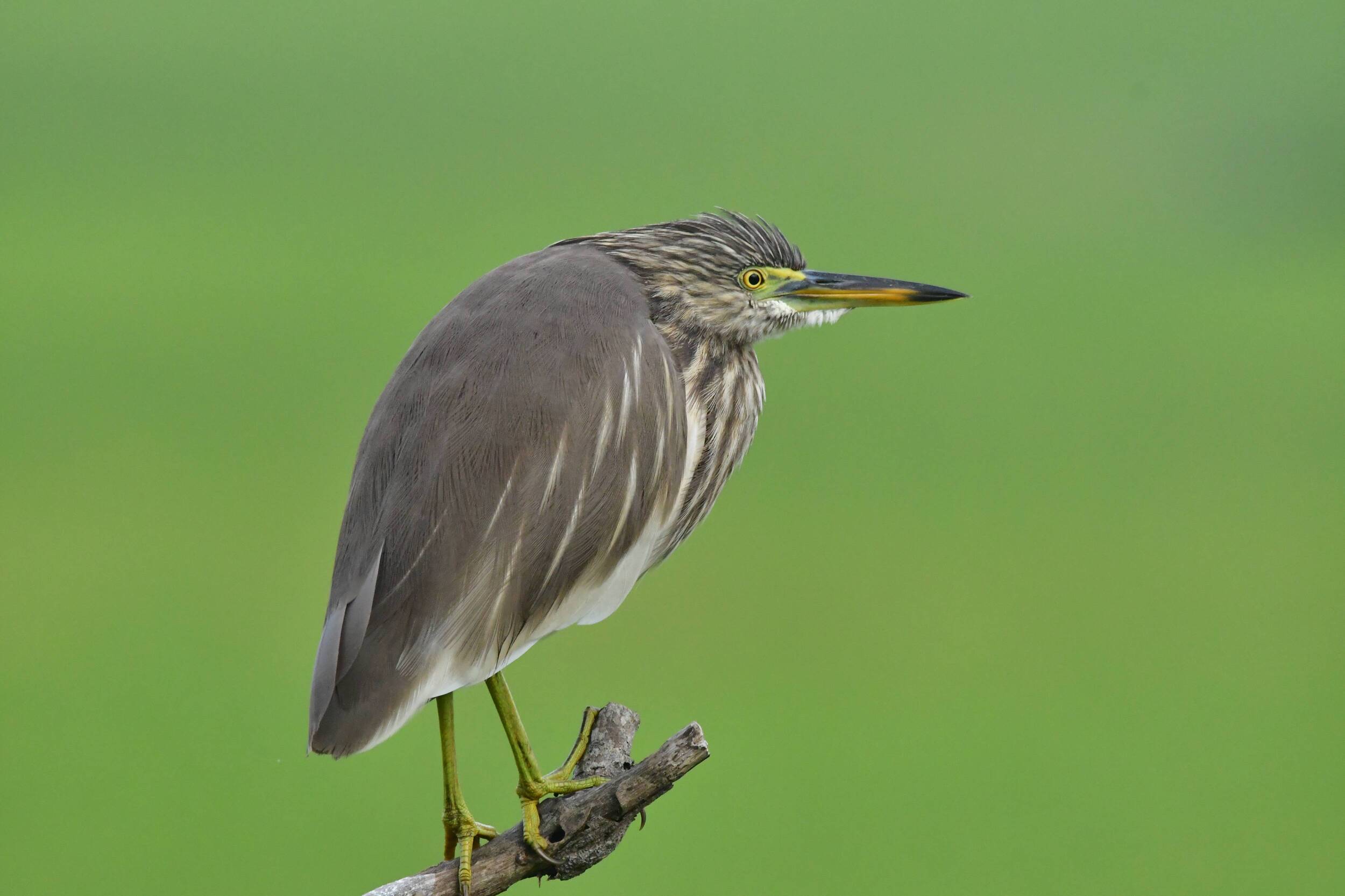
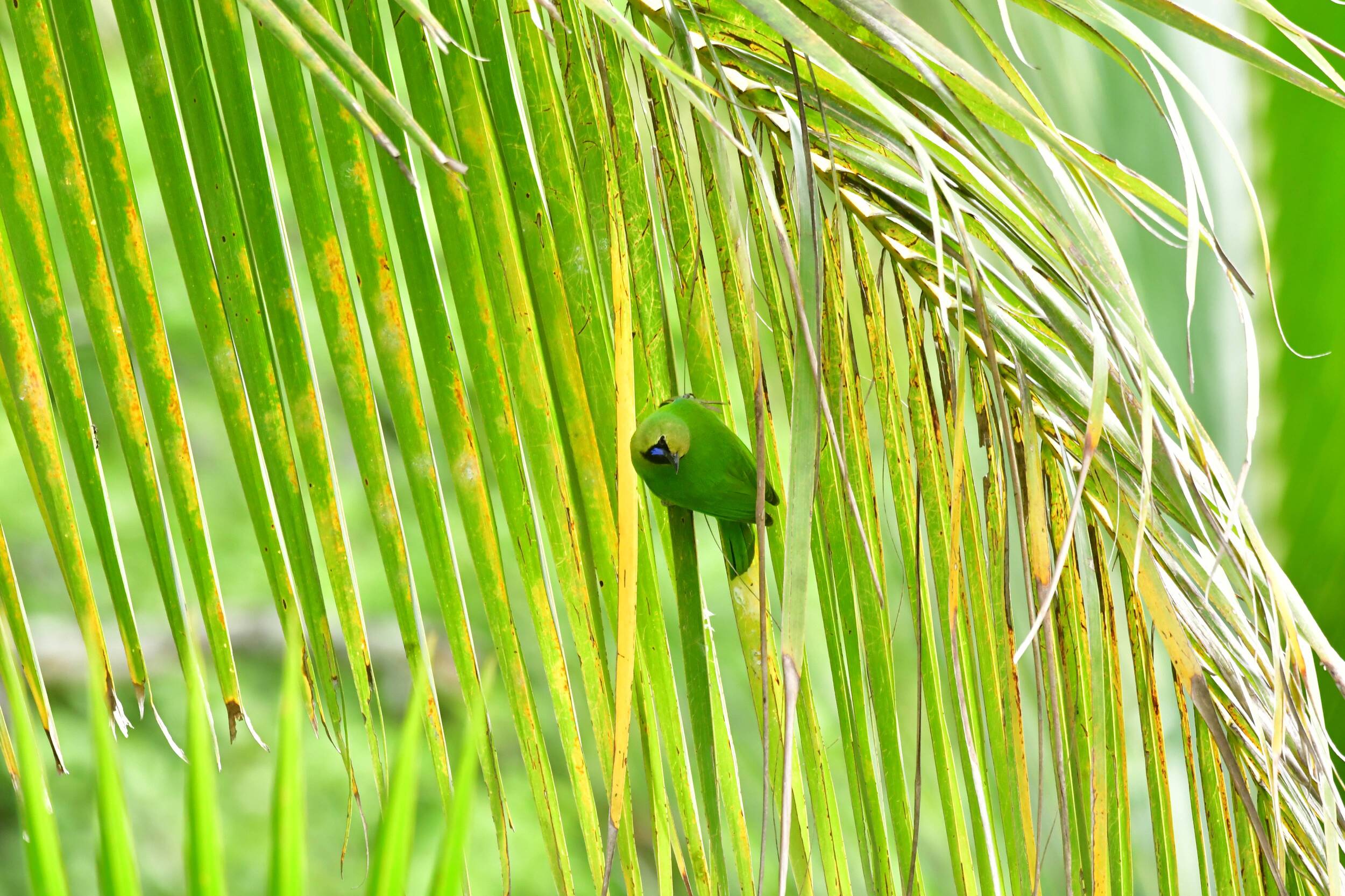
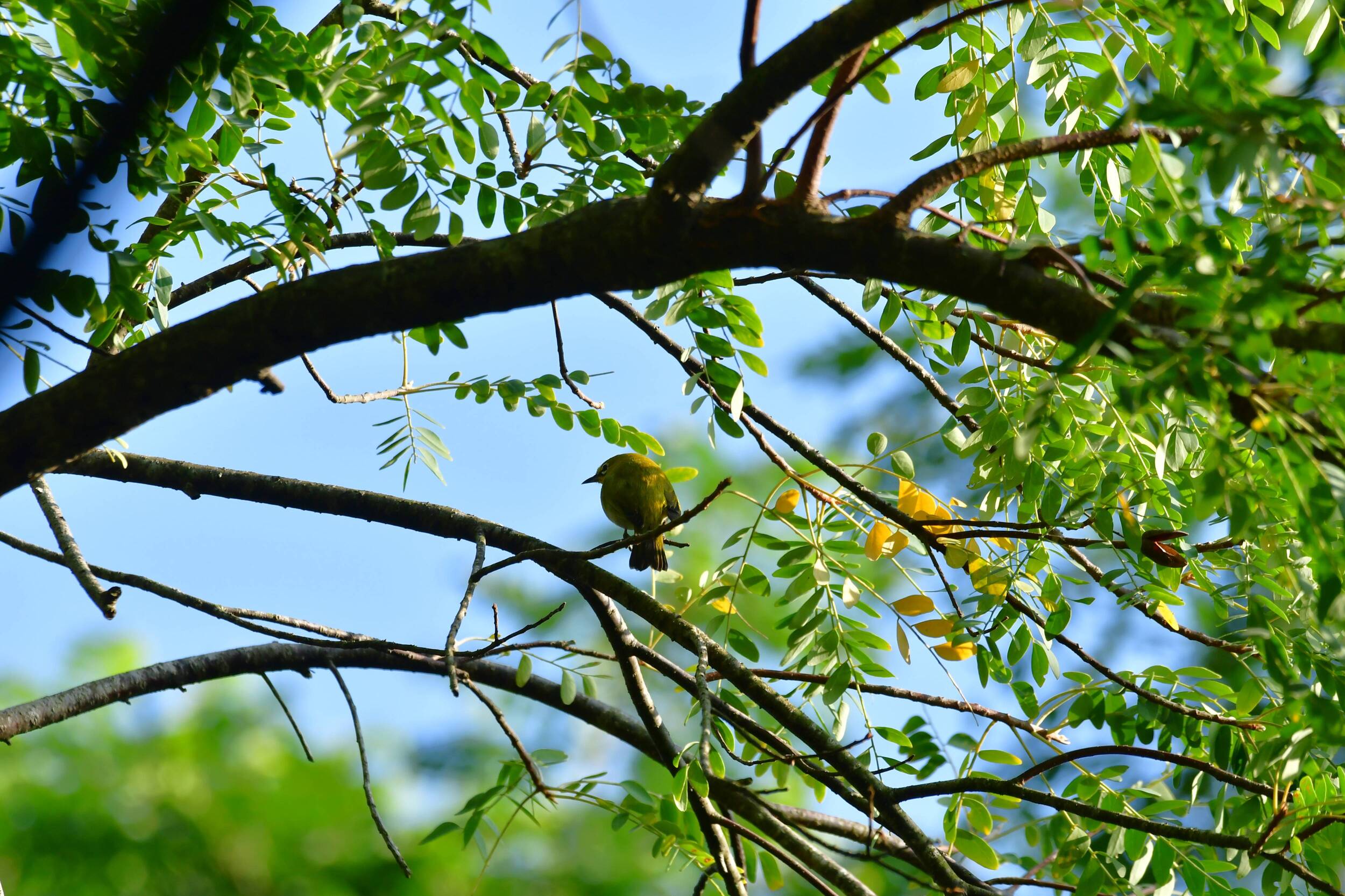
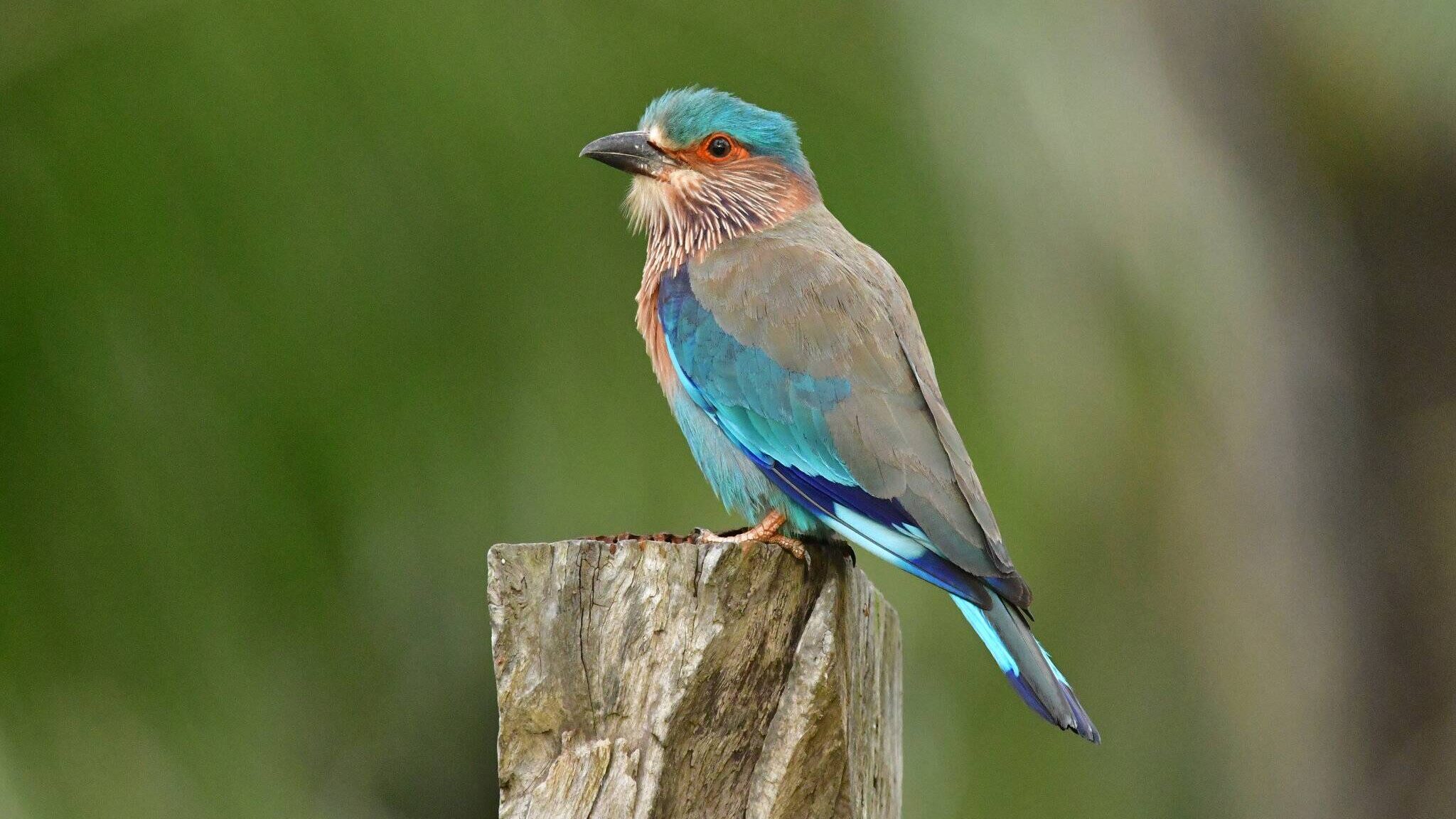
The surroundings of our first hotel turned out to be a birding paradise. The wet meadows and tree-lined areas produced outstanding species: Indian Paradise Flycatcher, Red-wattled Lapwing, Green Bee-eater, Stork-billed Kingfisher, Sri Lanka Junglefowl, Black-headed Ibis, Indian Roller, Crimson-fronted Barbet, Sri Lanka Swallow, and many more. The trip total from this area alone reached well over 50 new species for my life list.
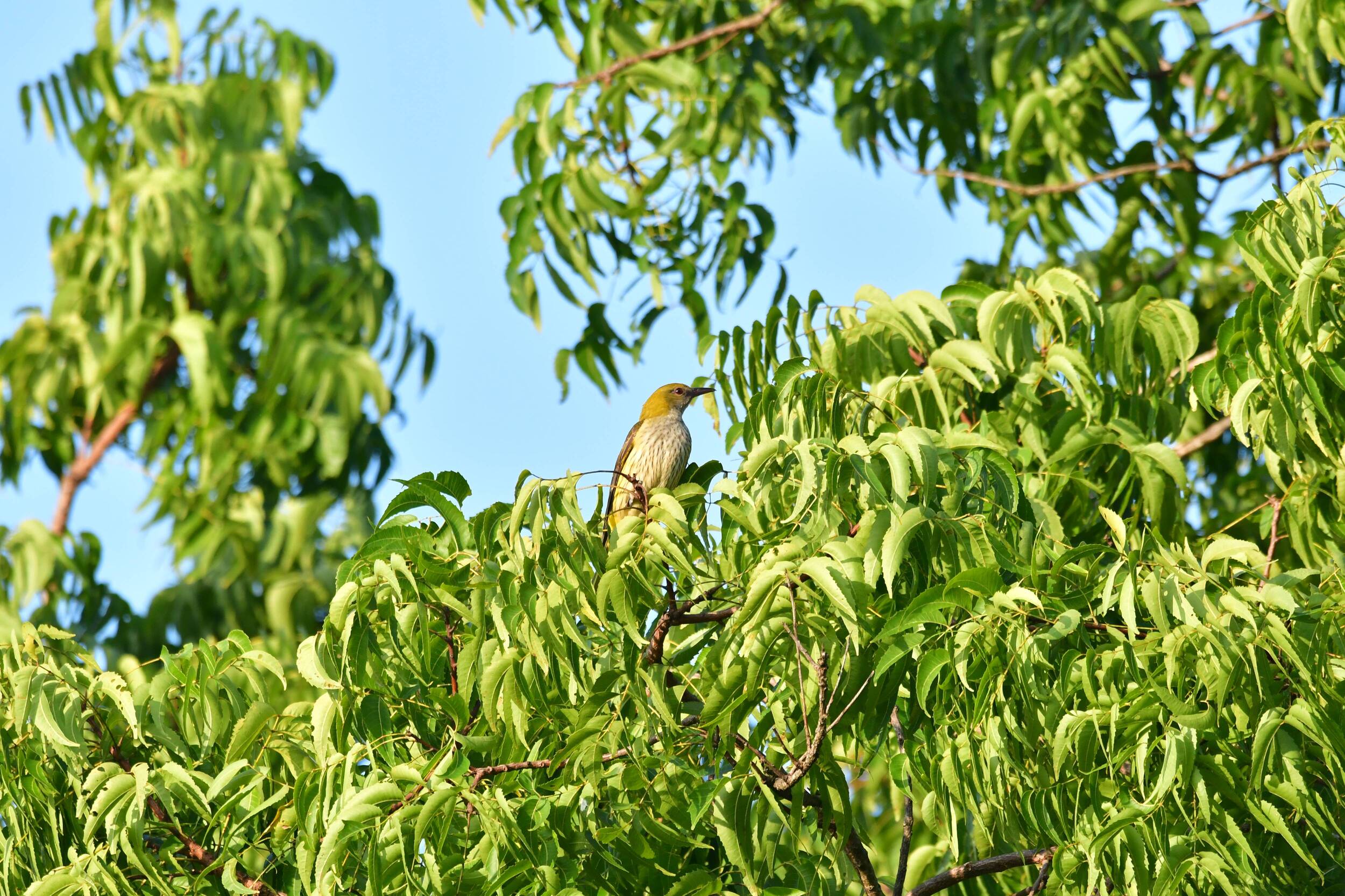
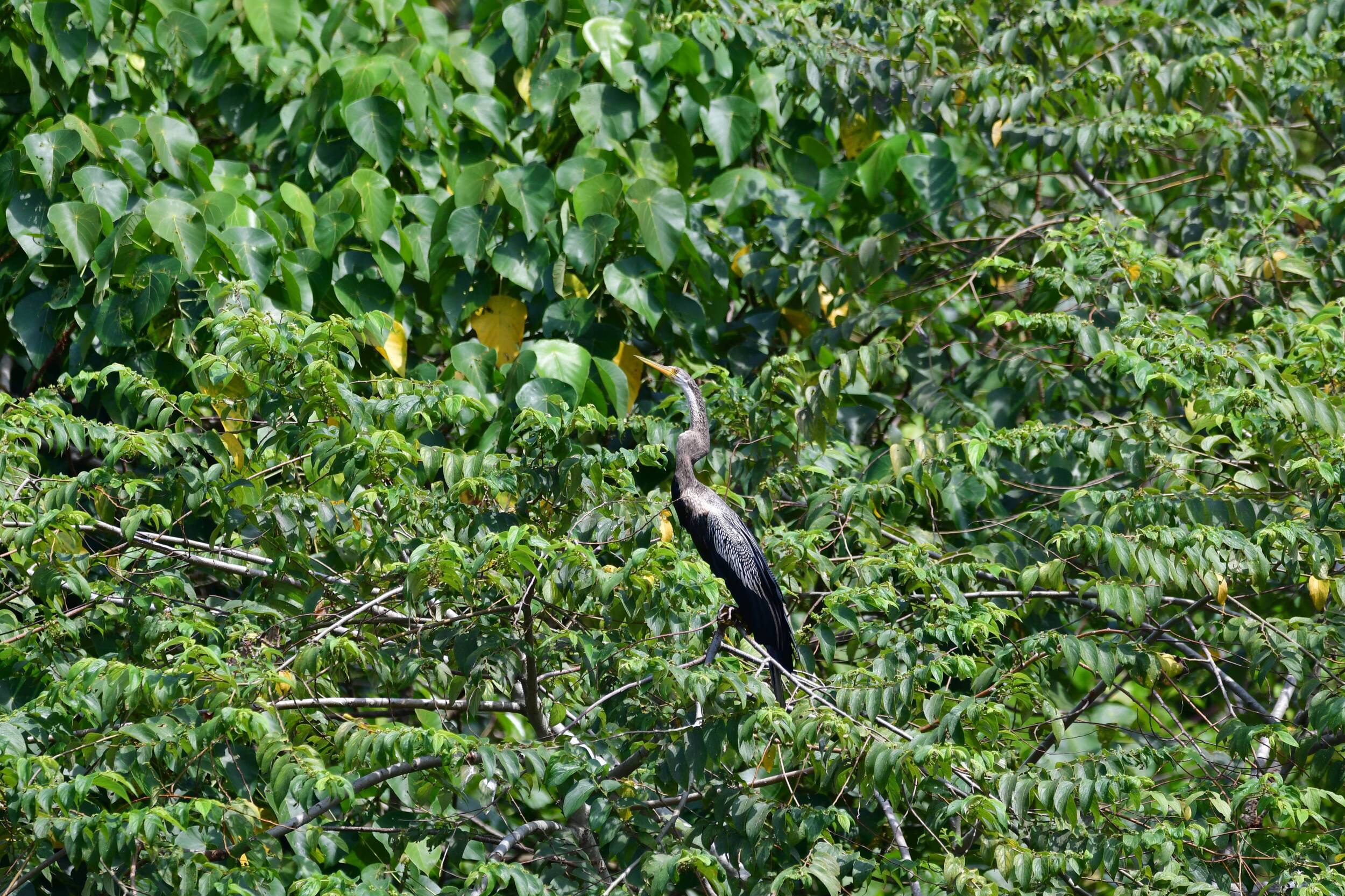
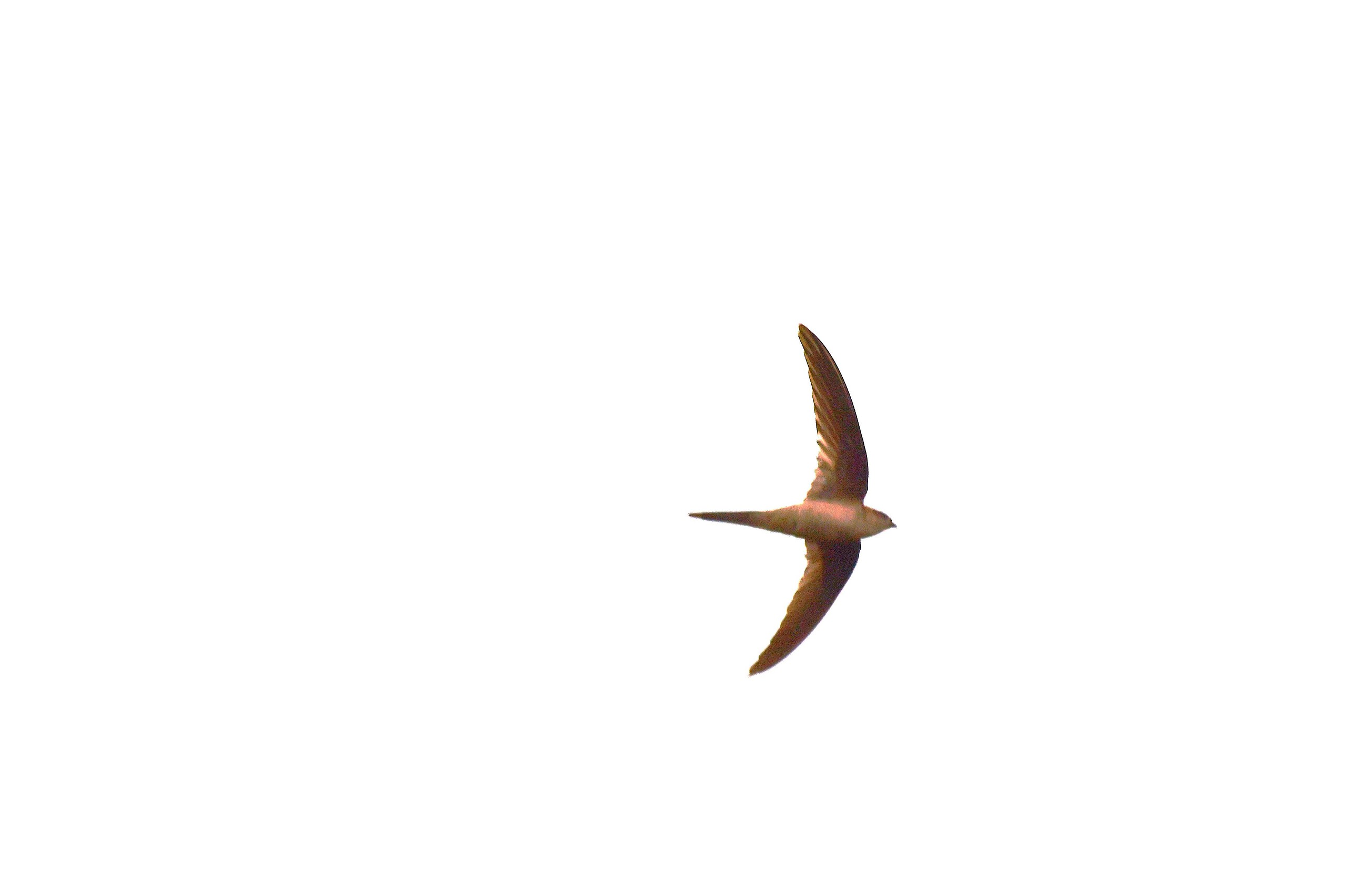
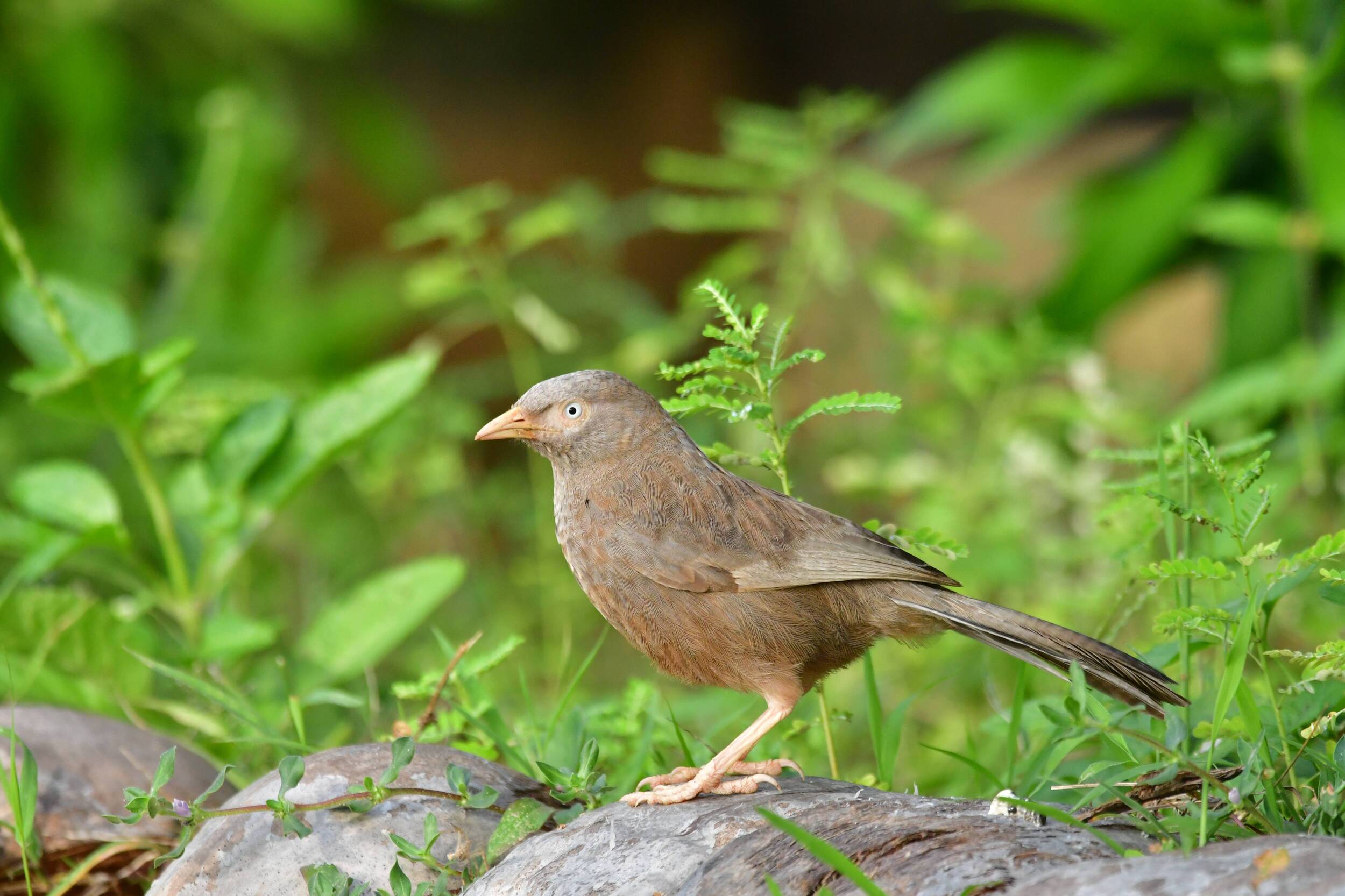

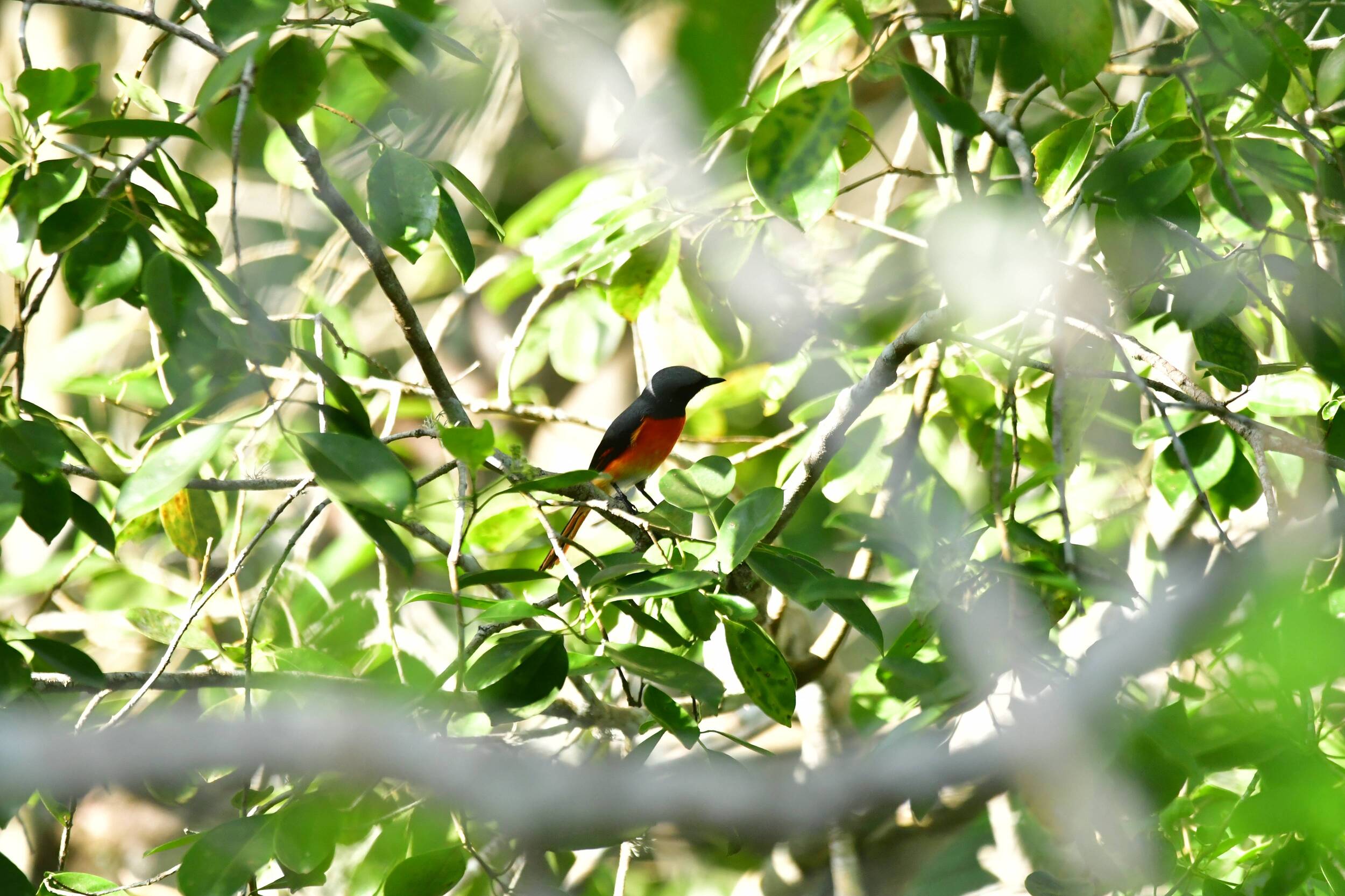
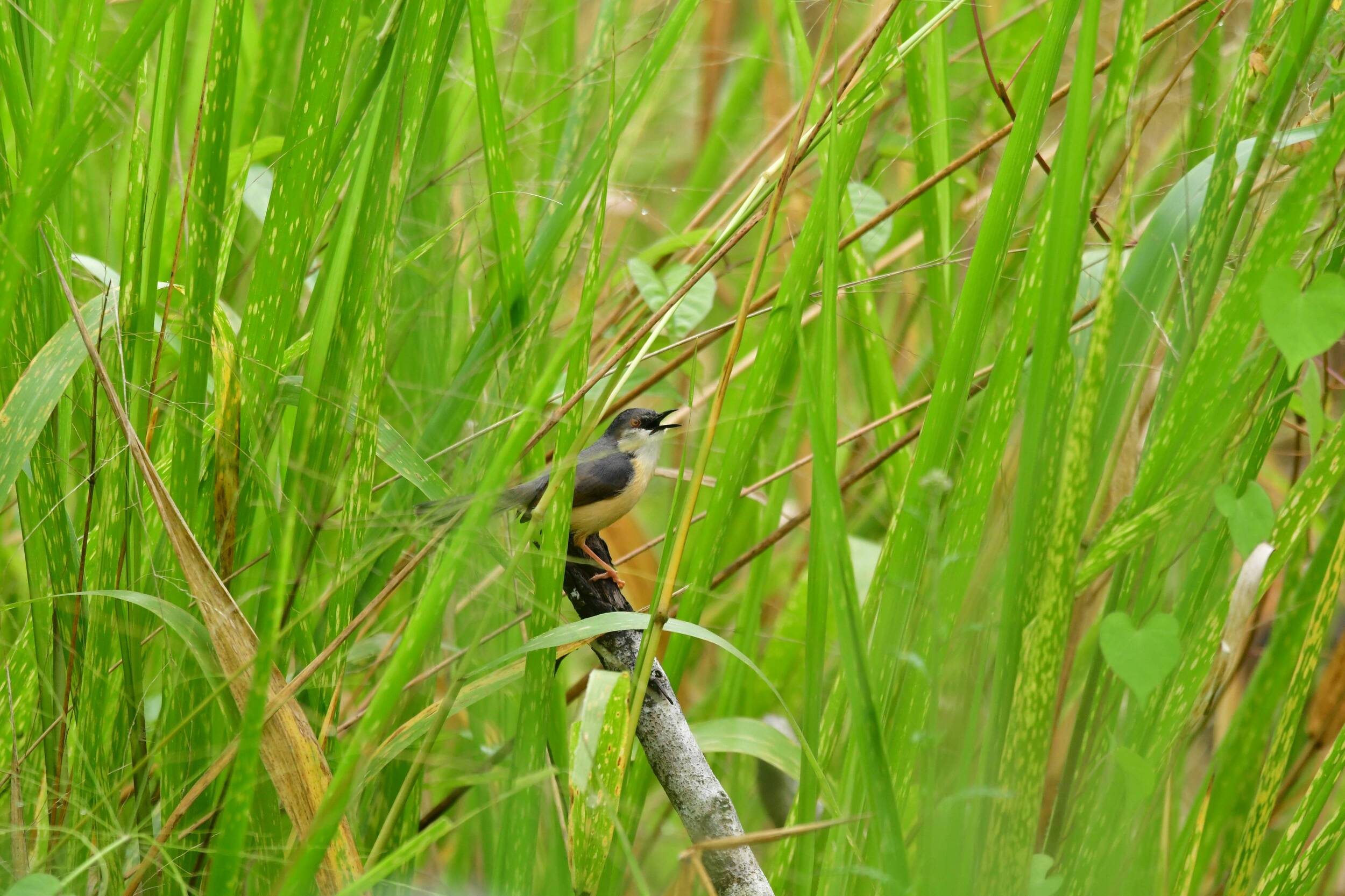
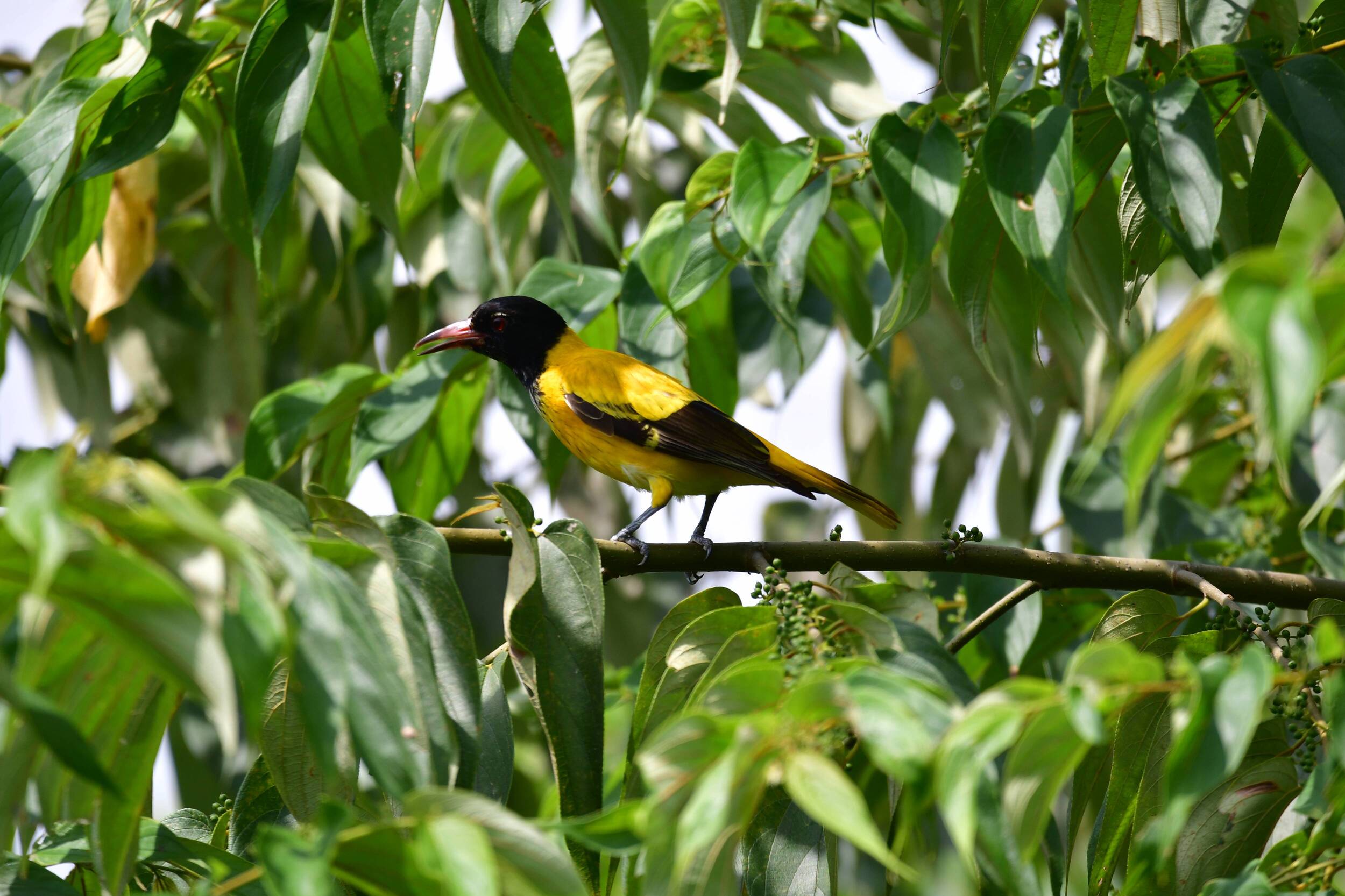
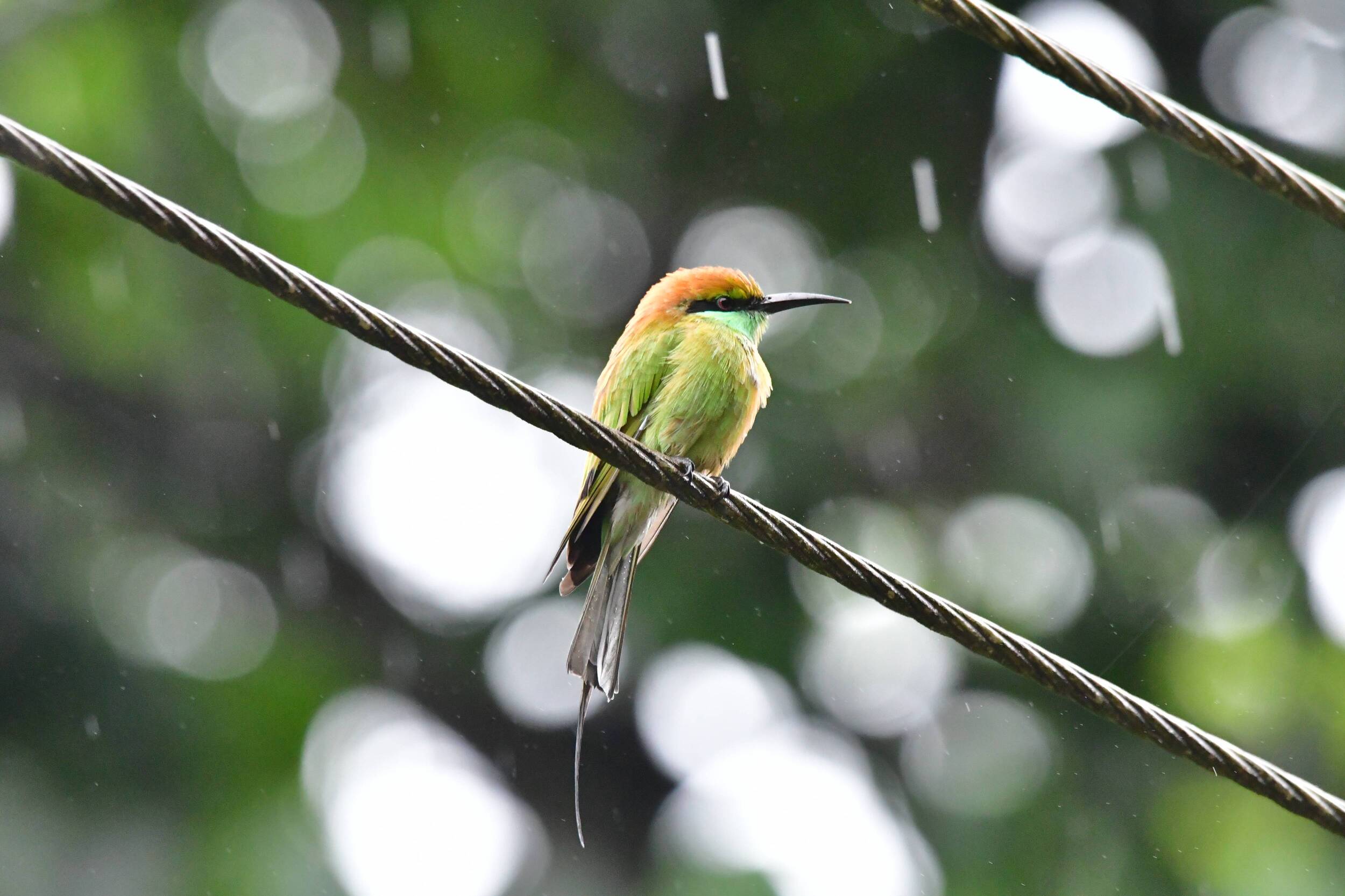
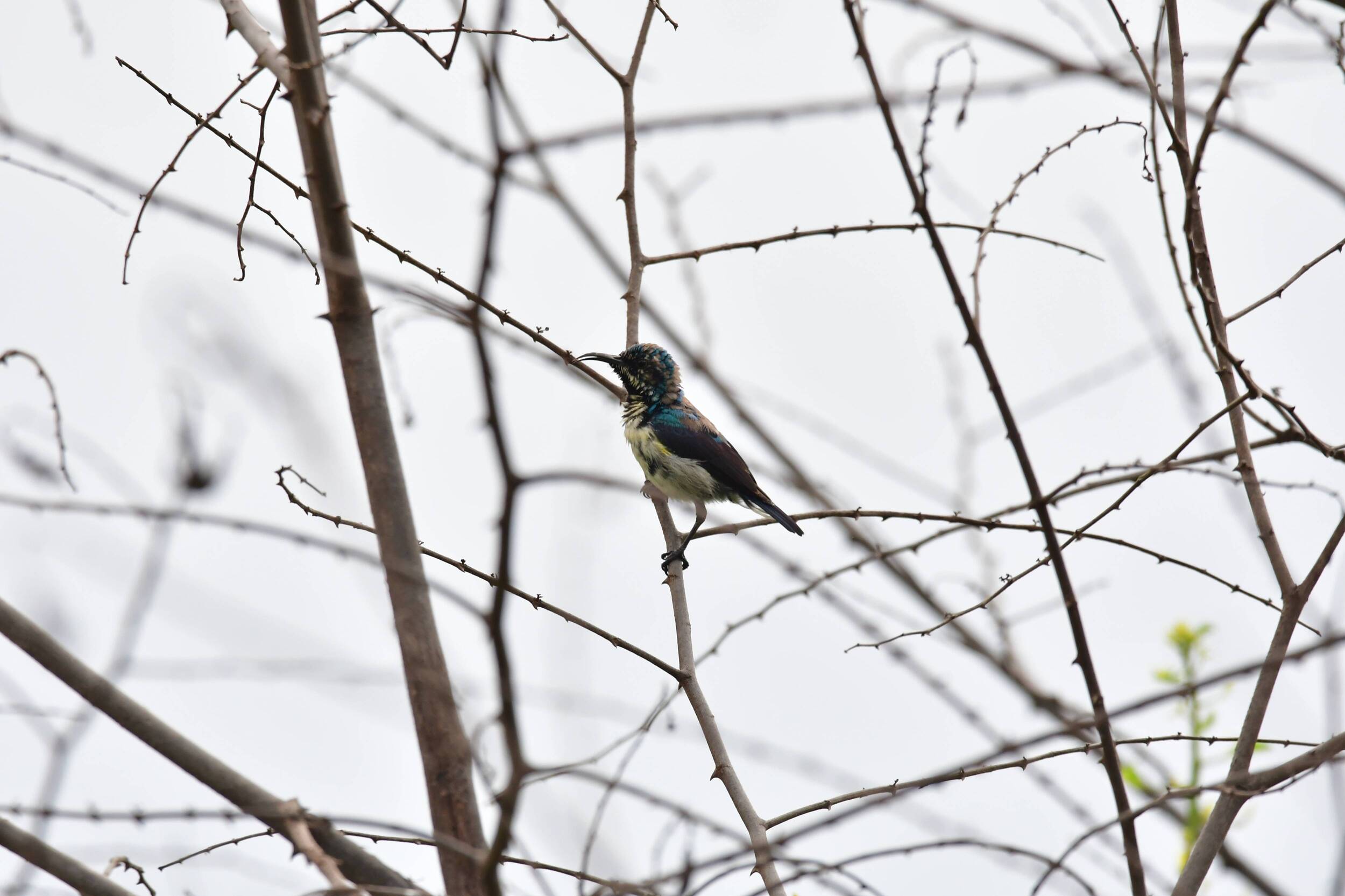
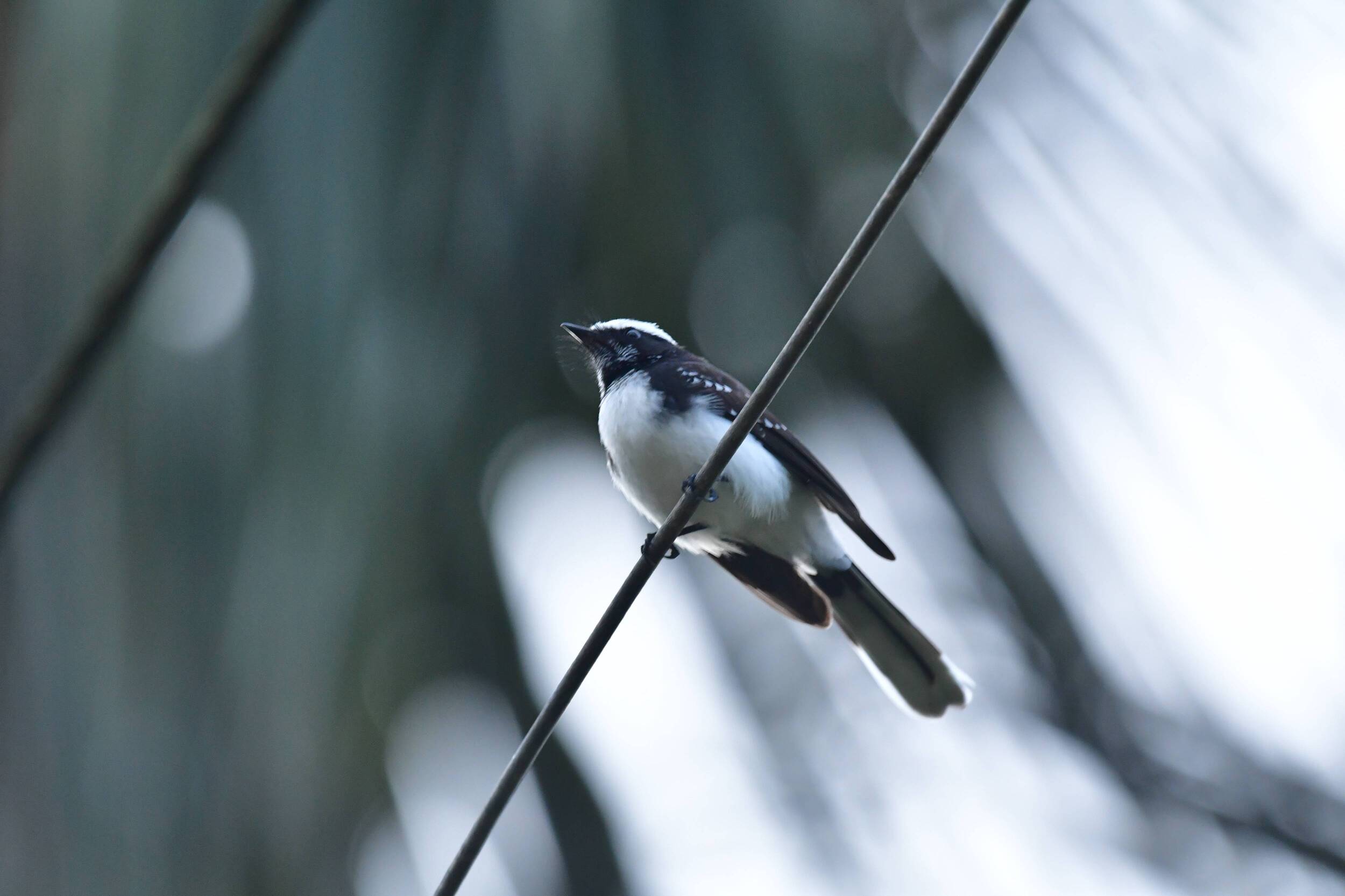
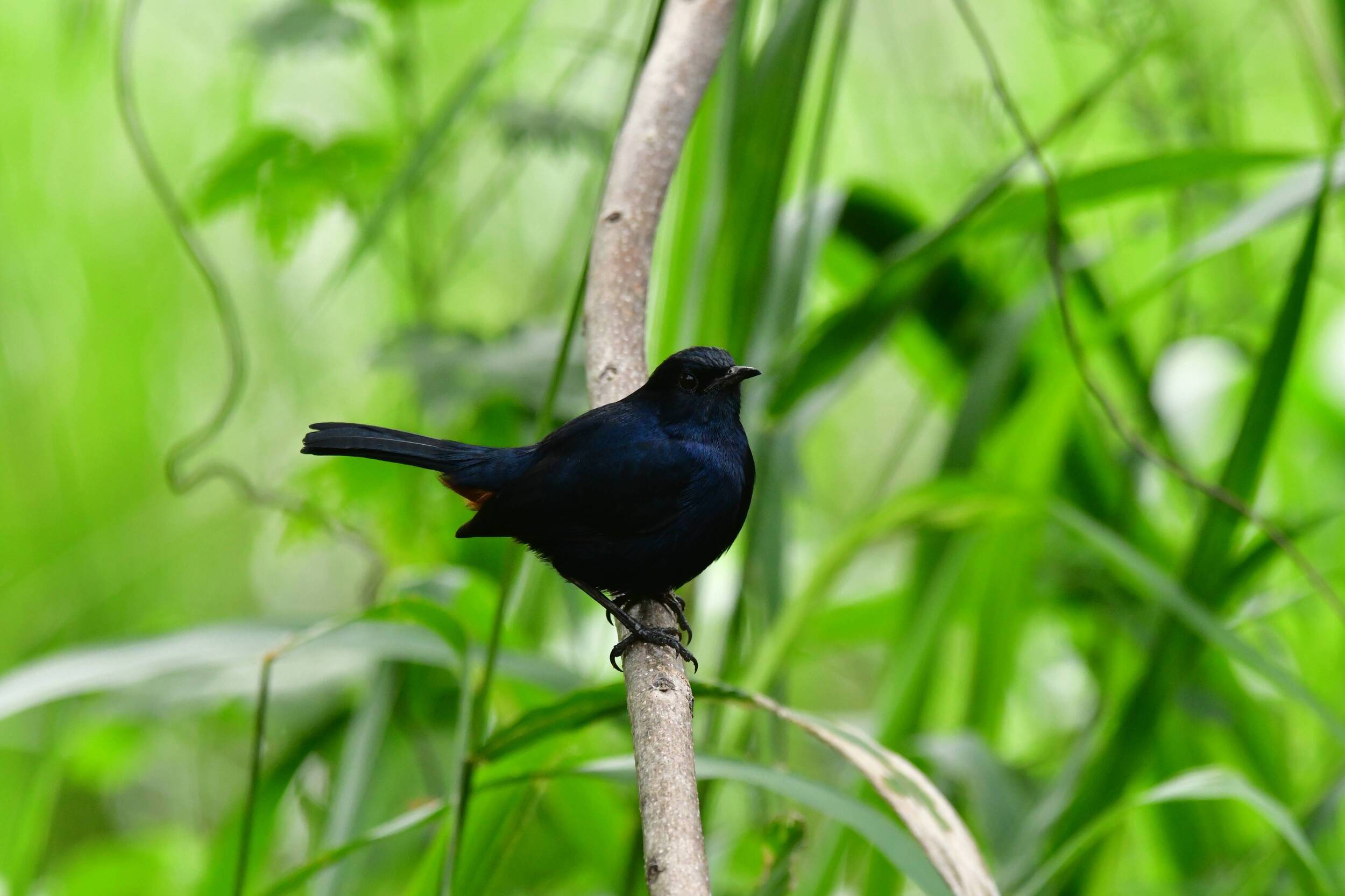
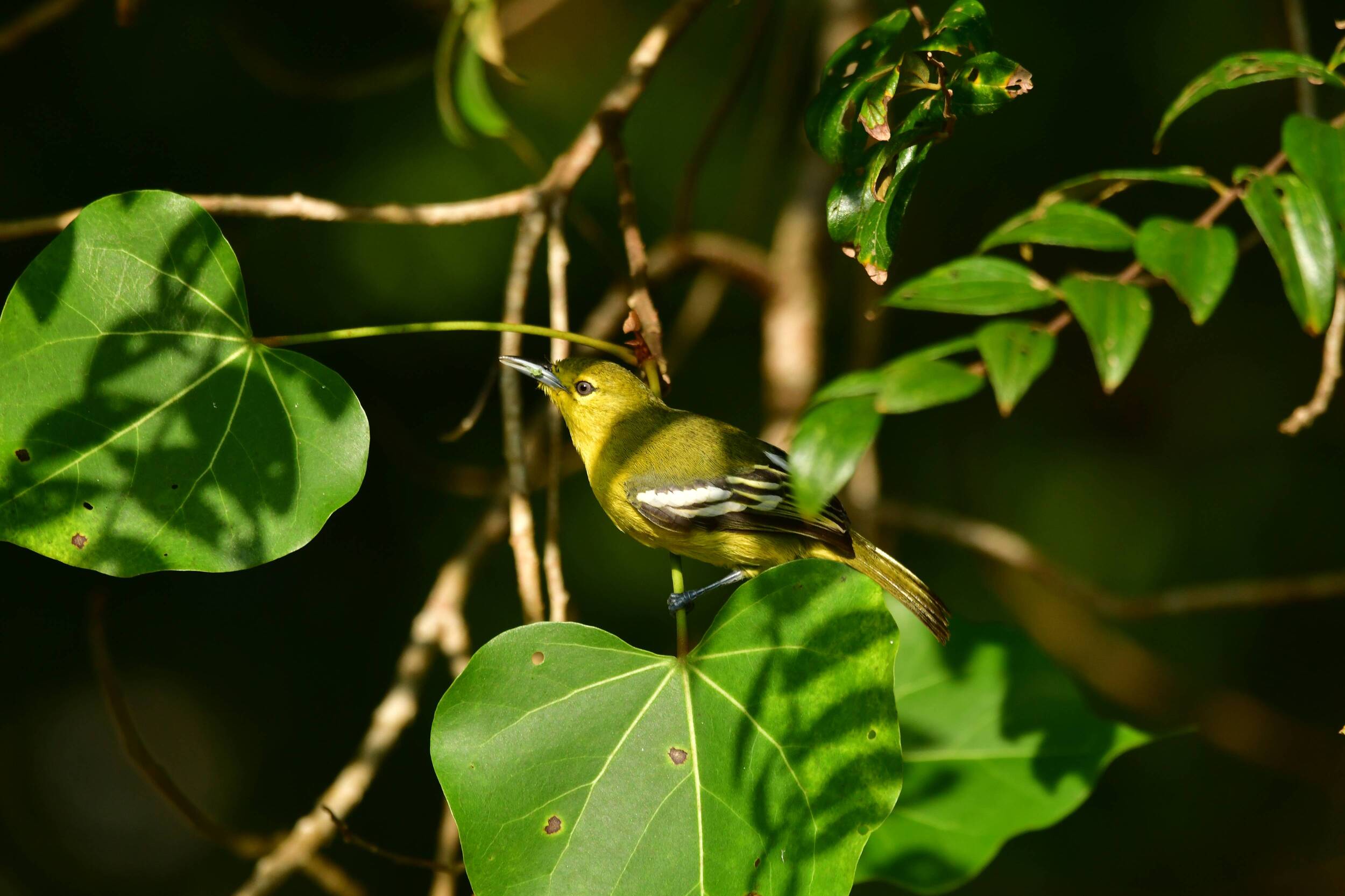
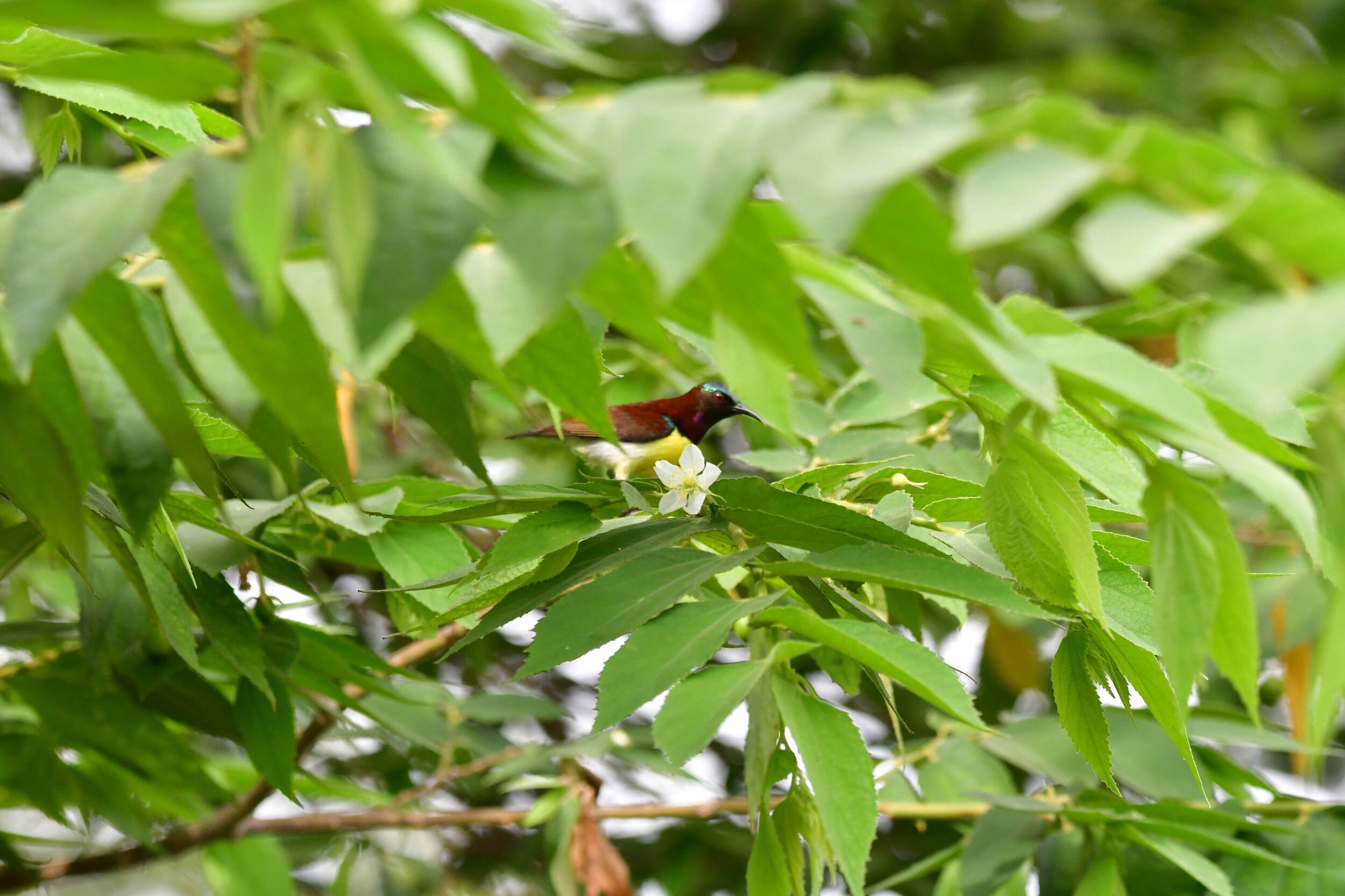
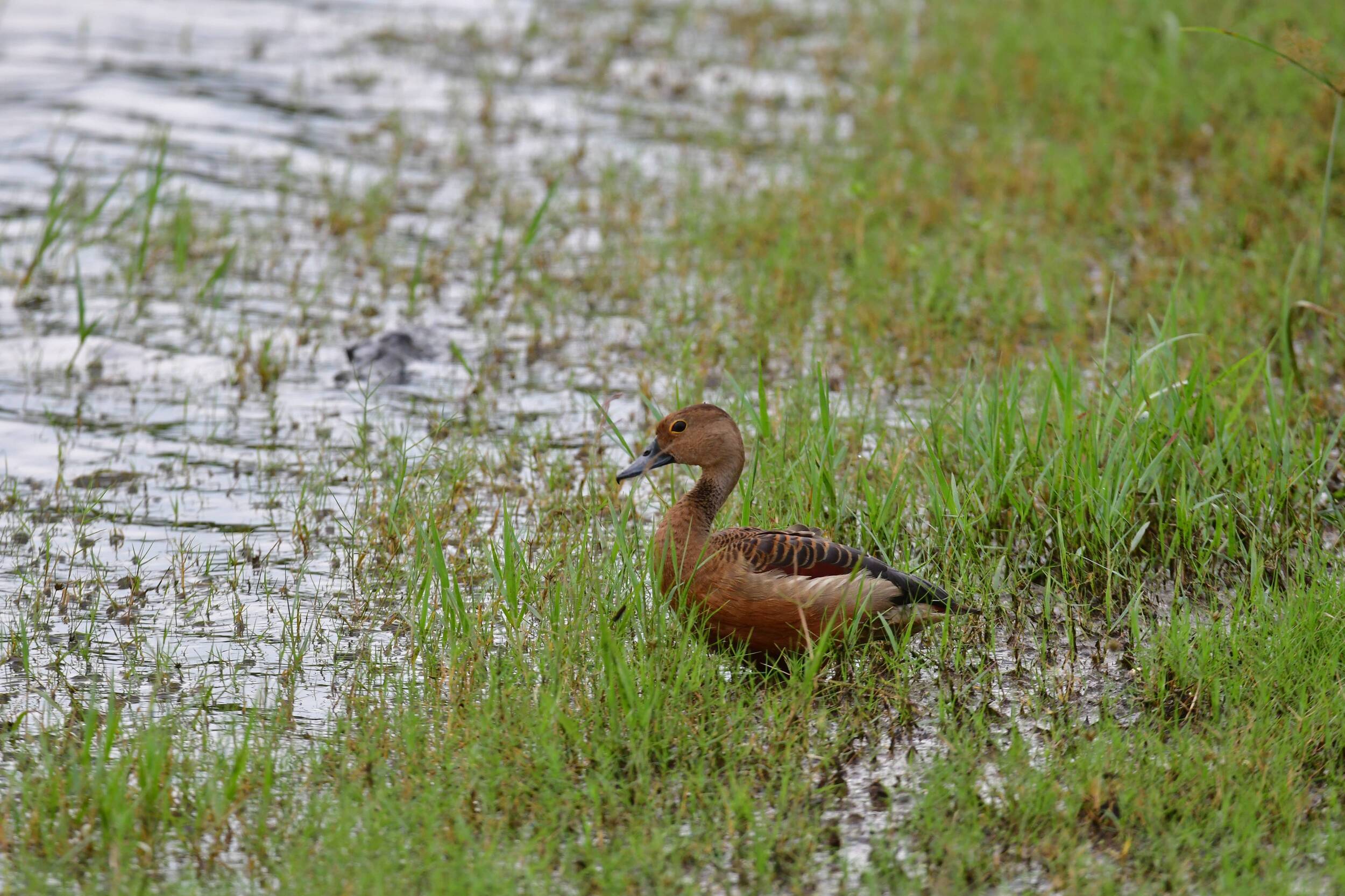
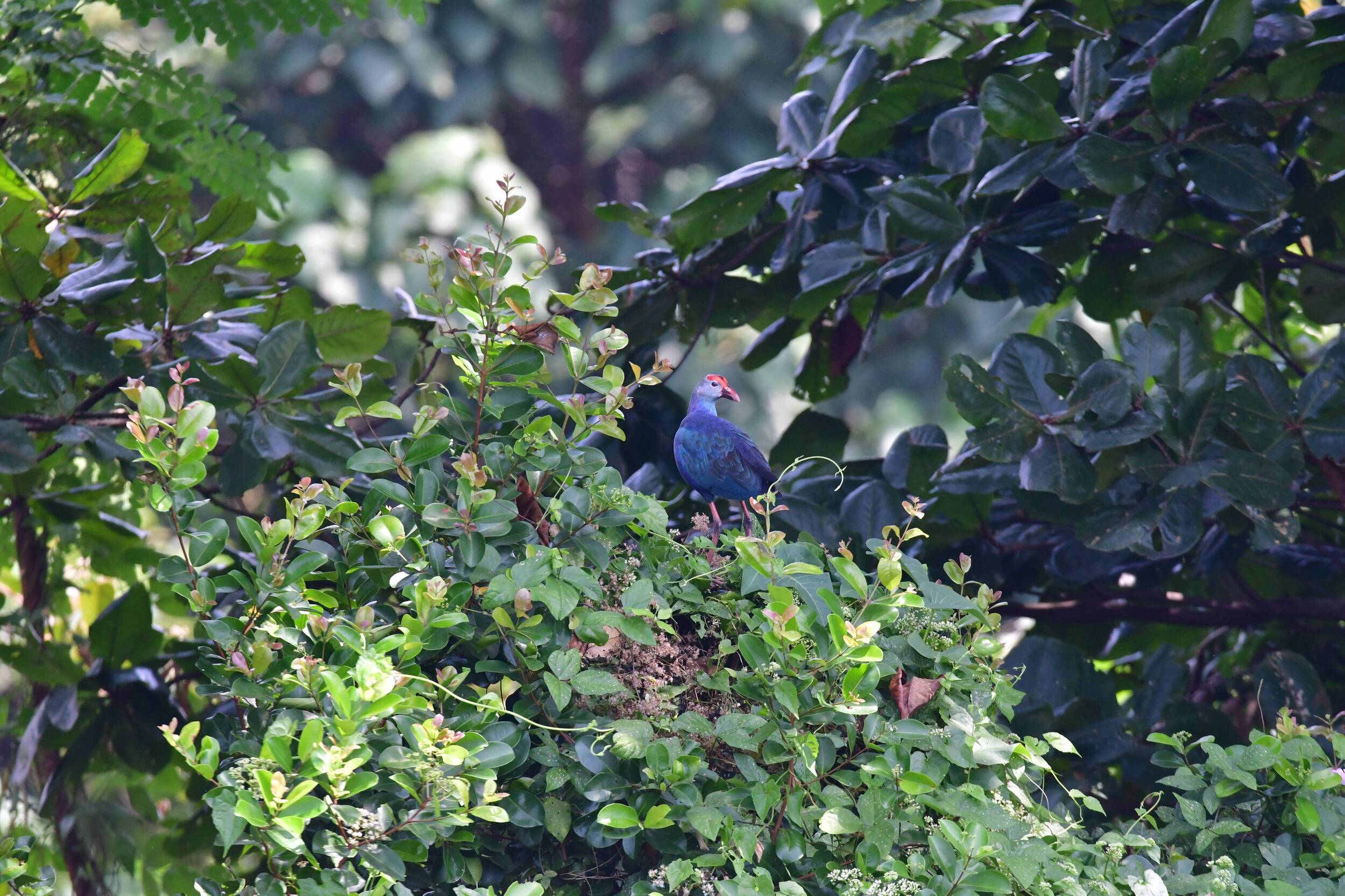
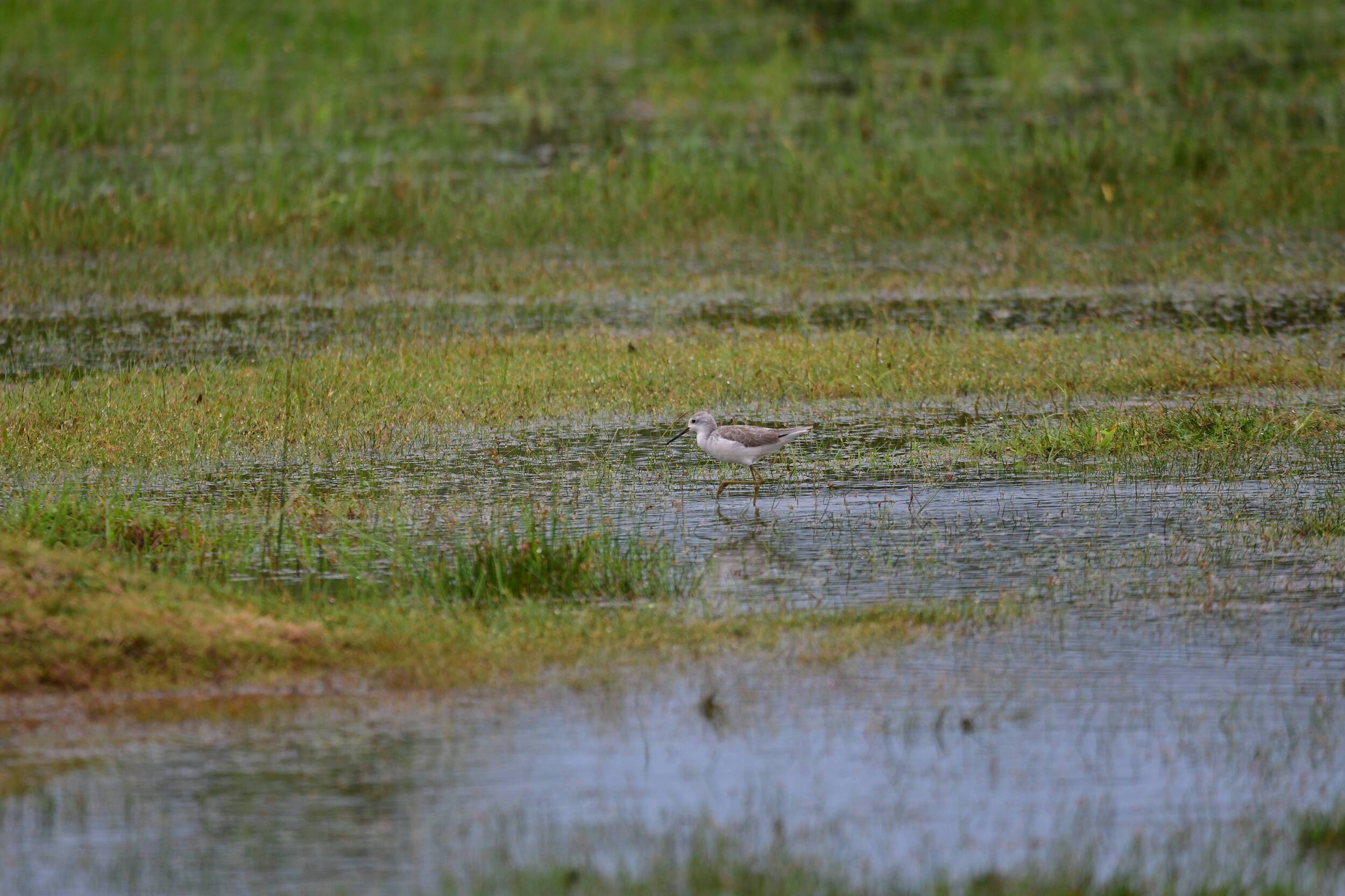
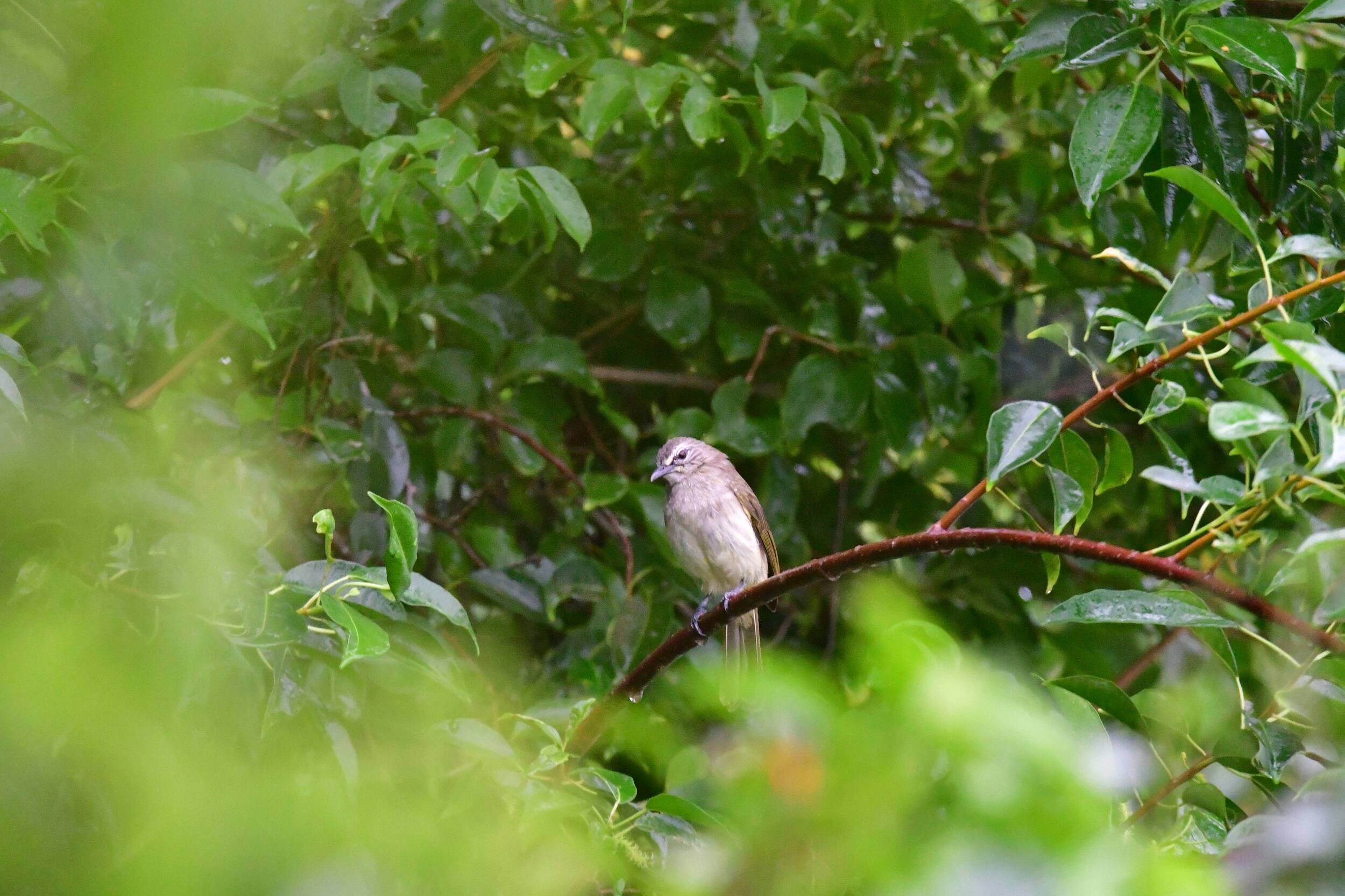
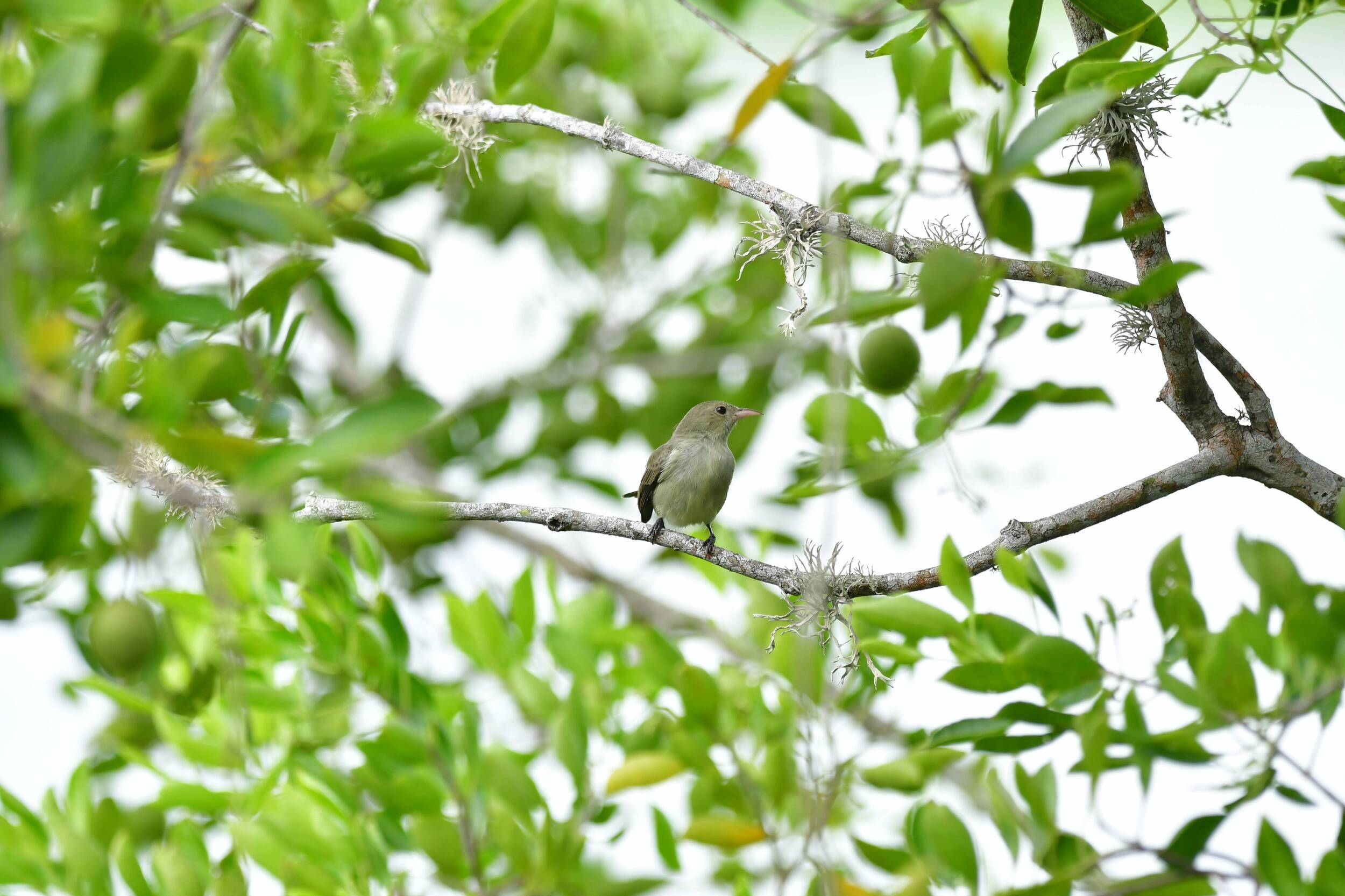

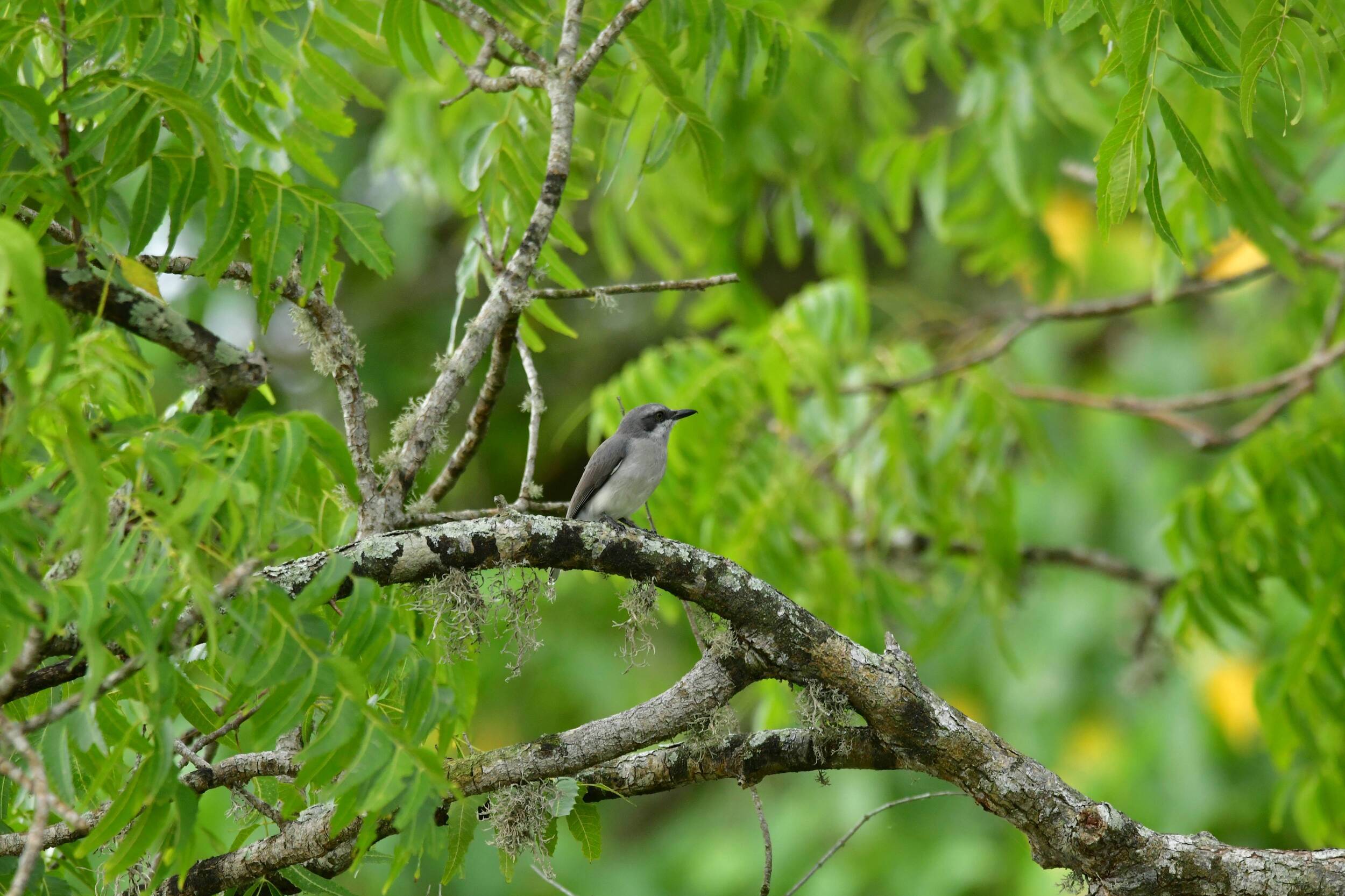
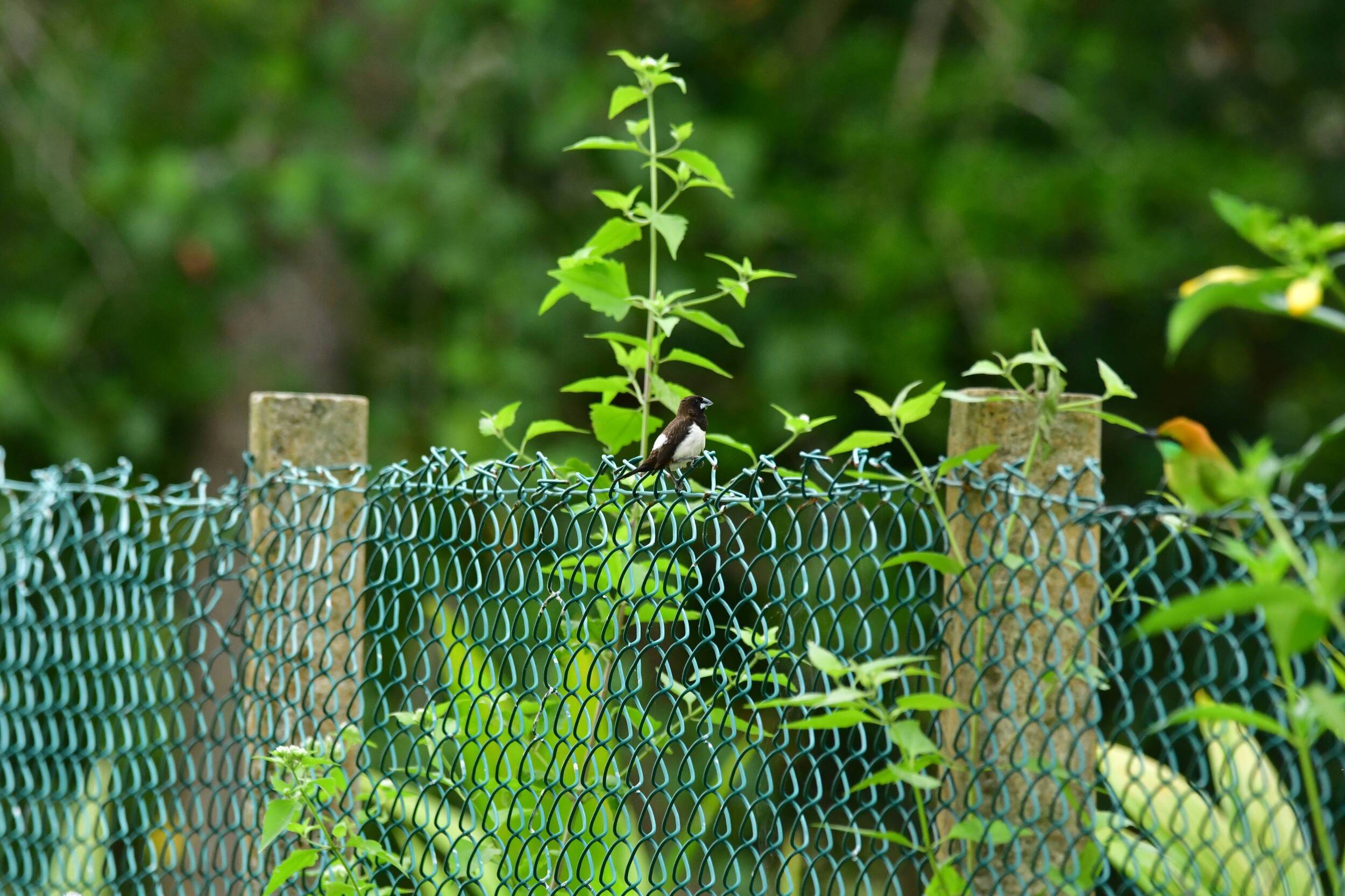
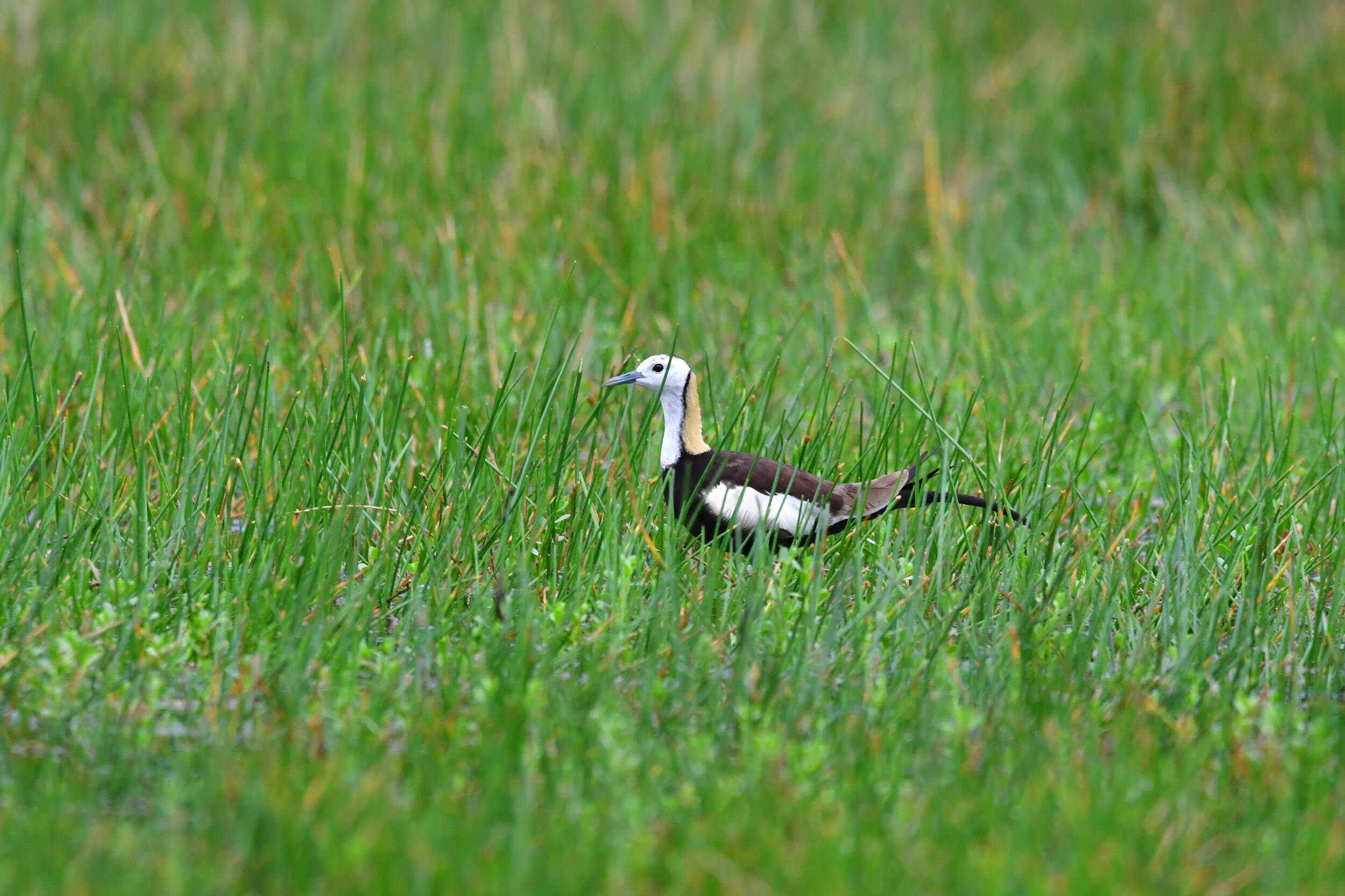
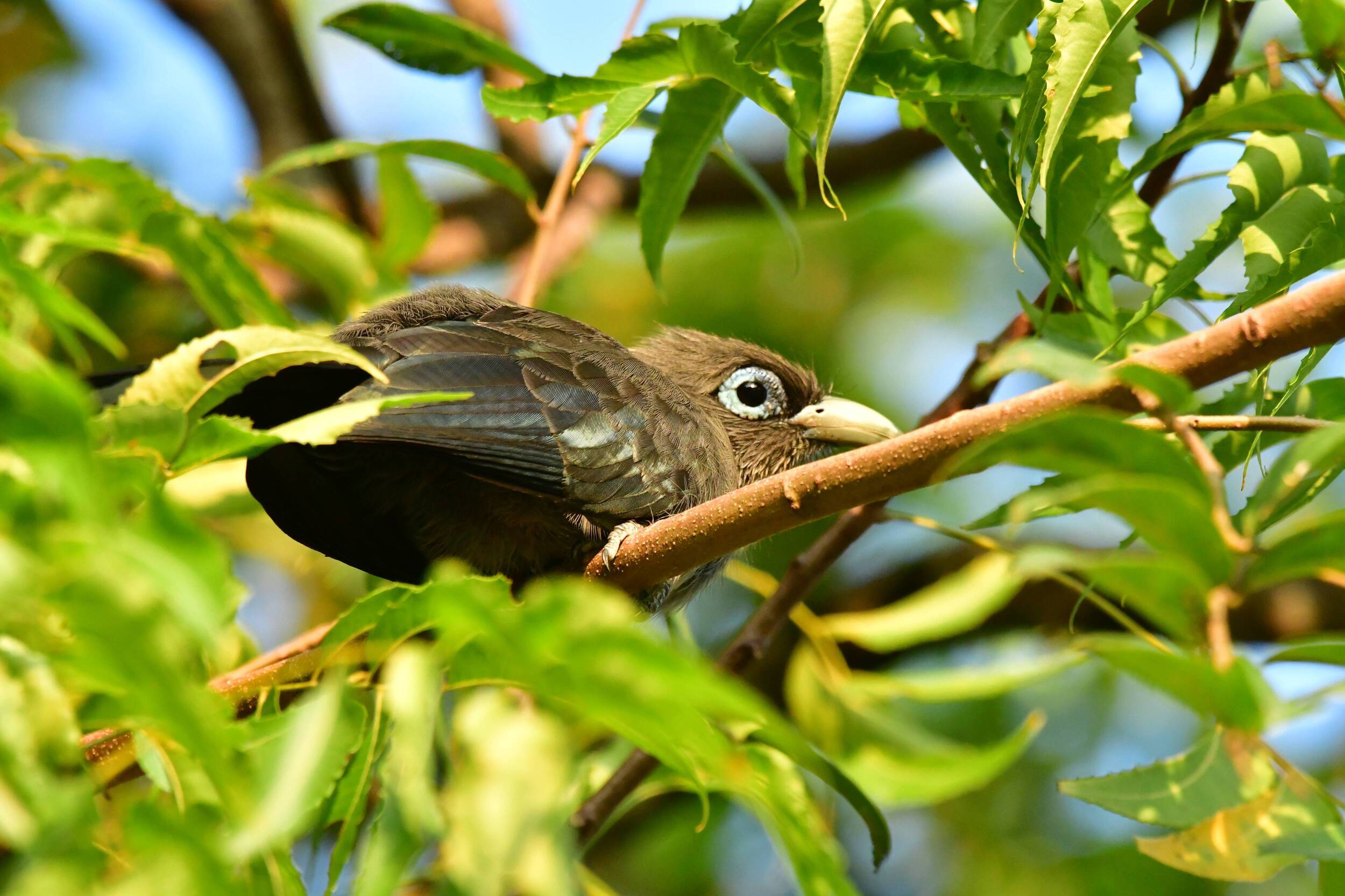
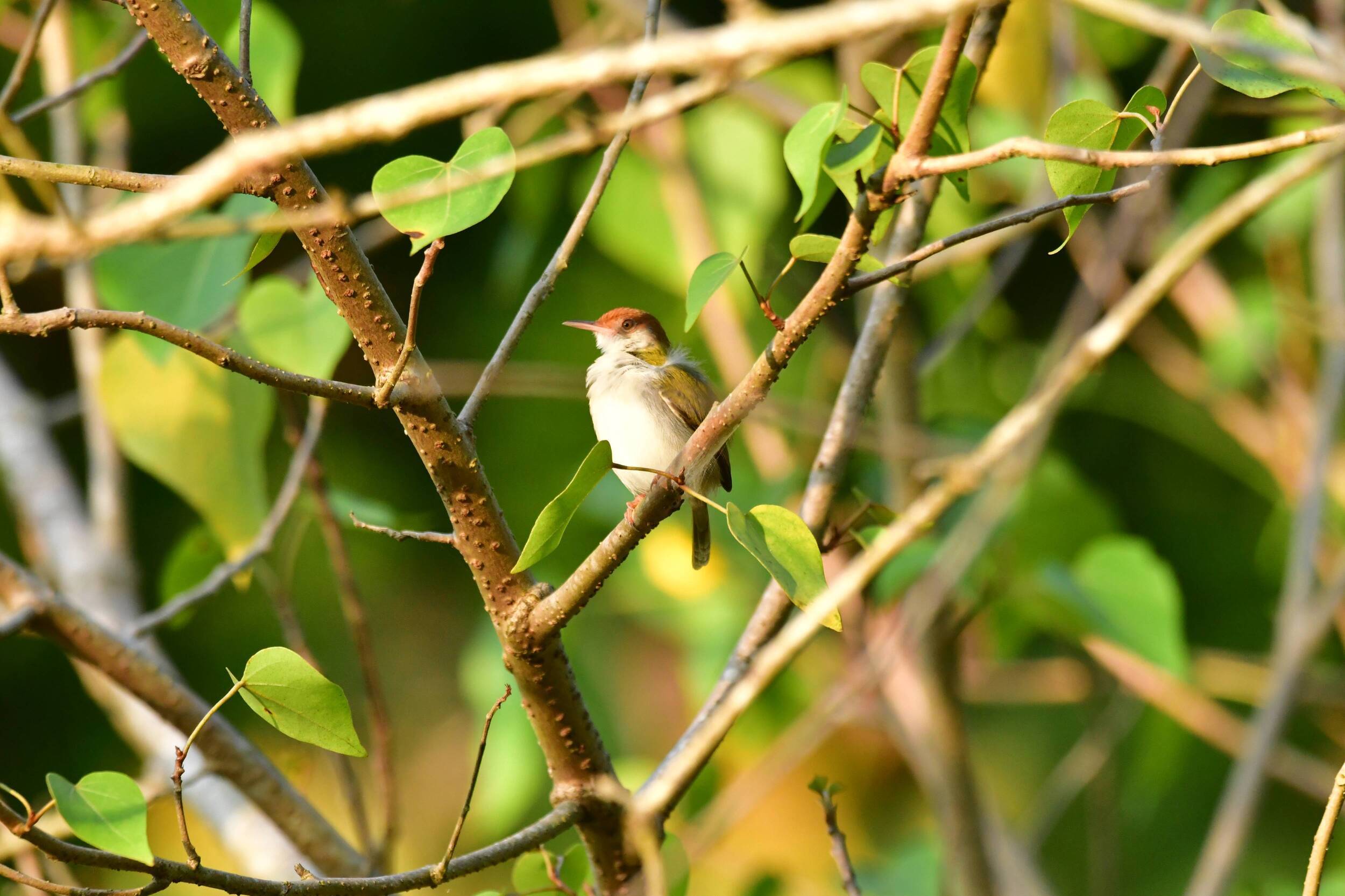
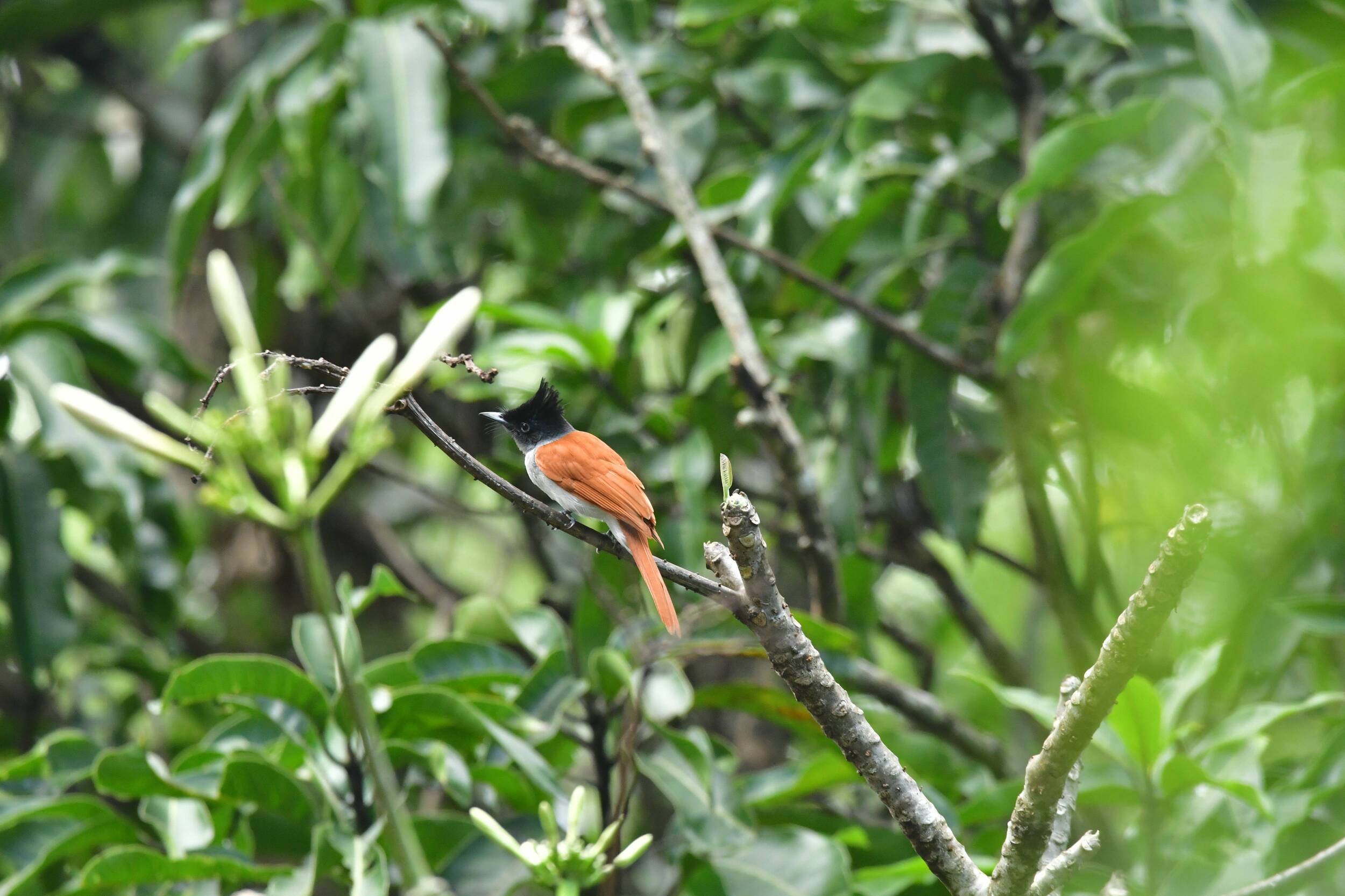
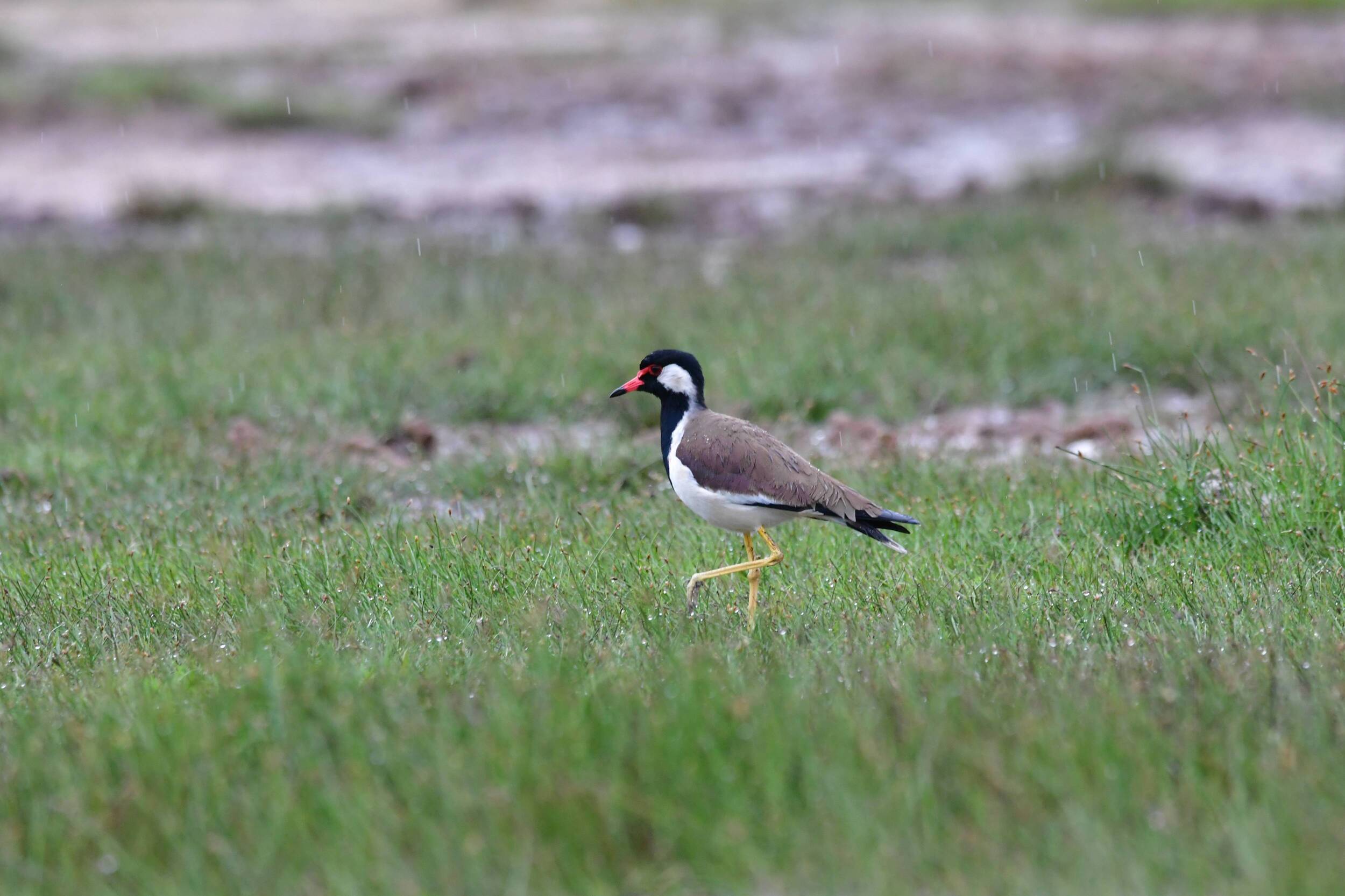
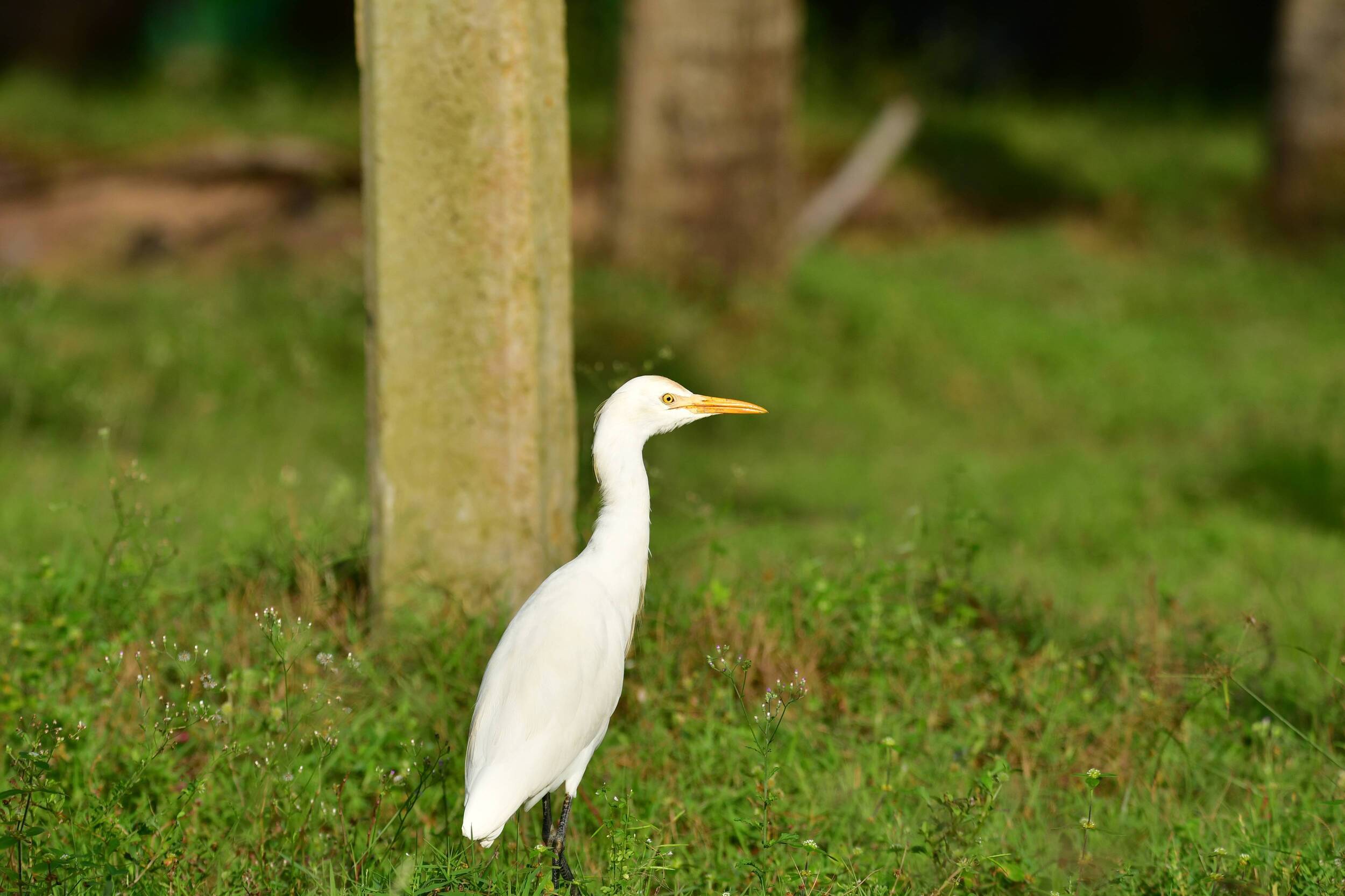
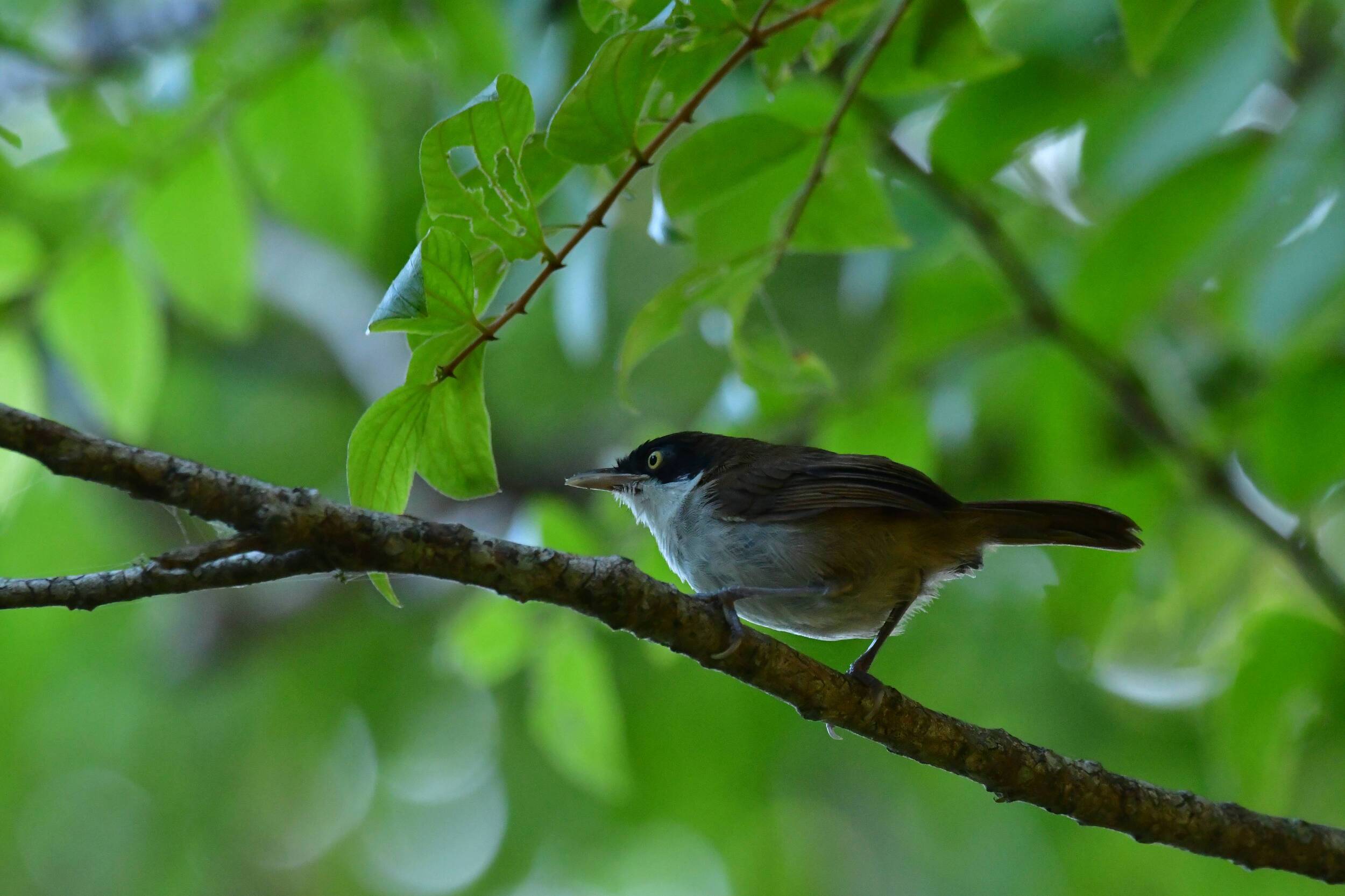
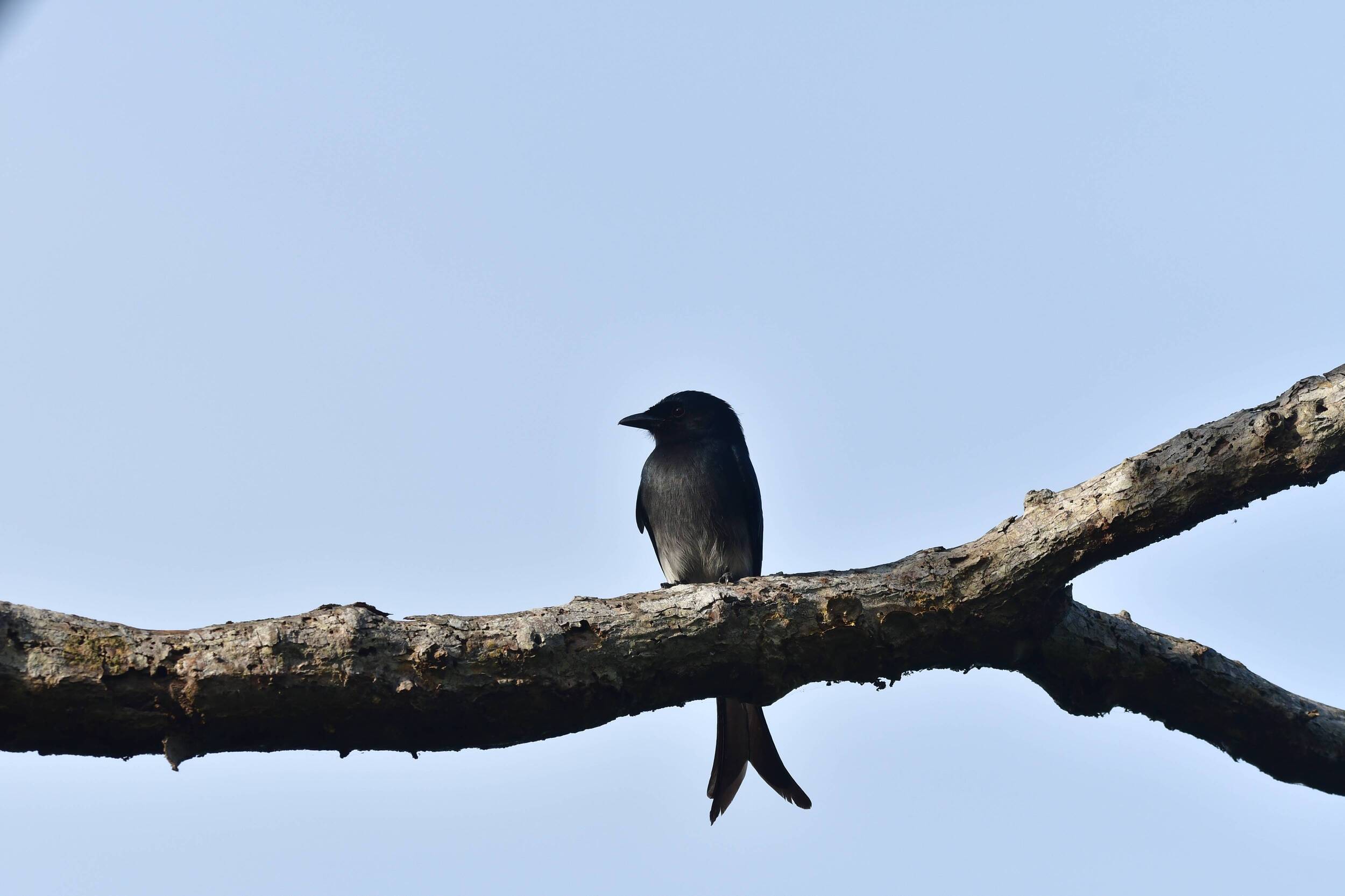
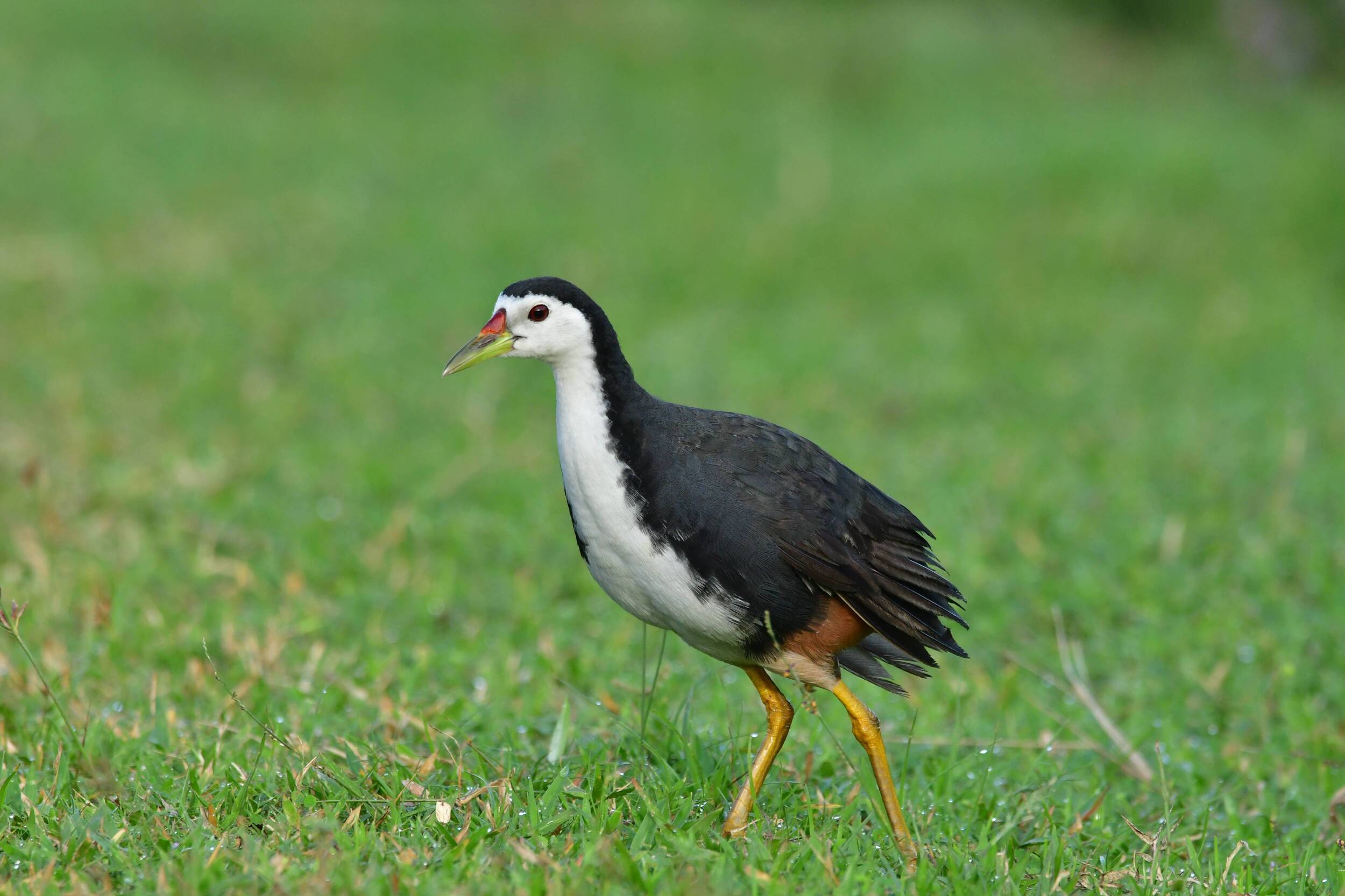
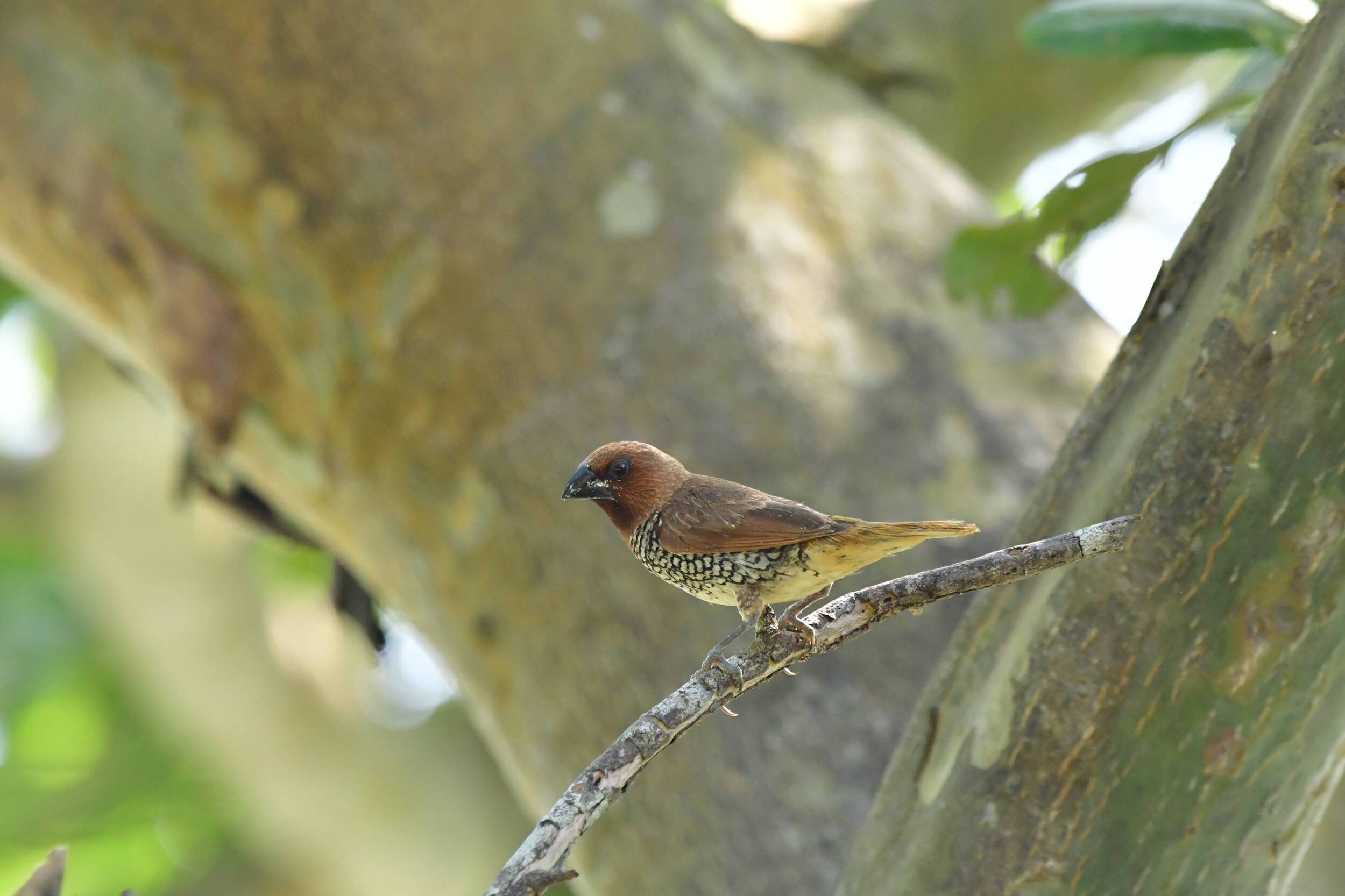
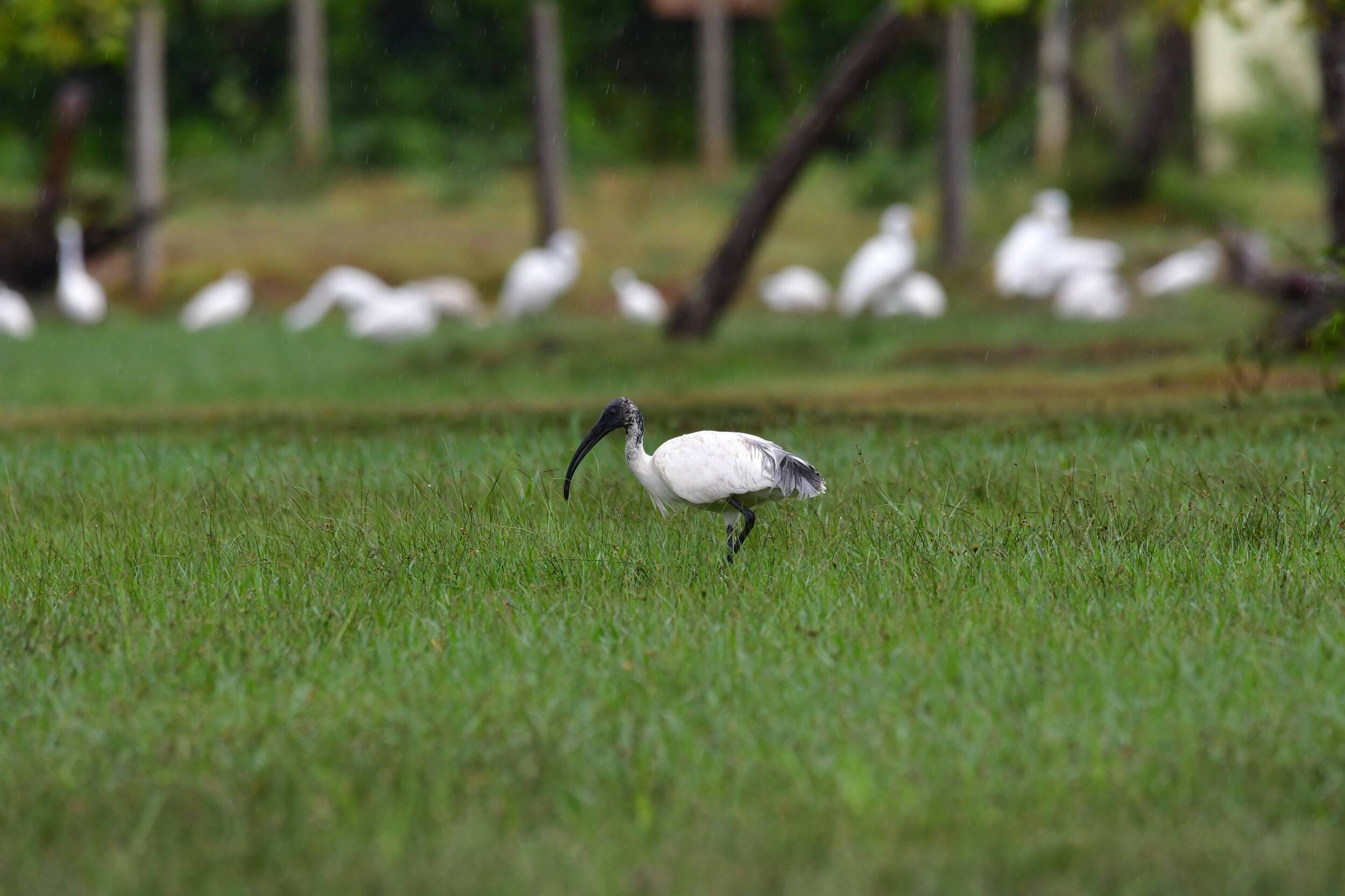
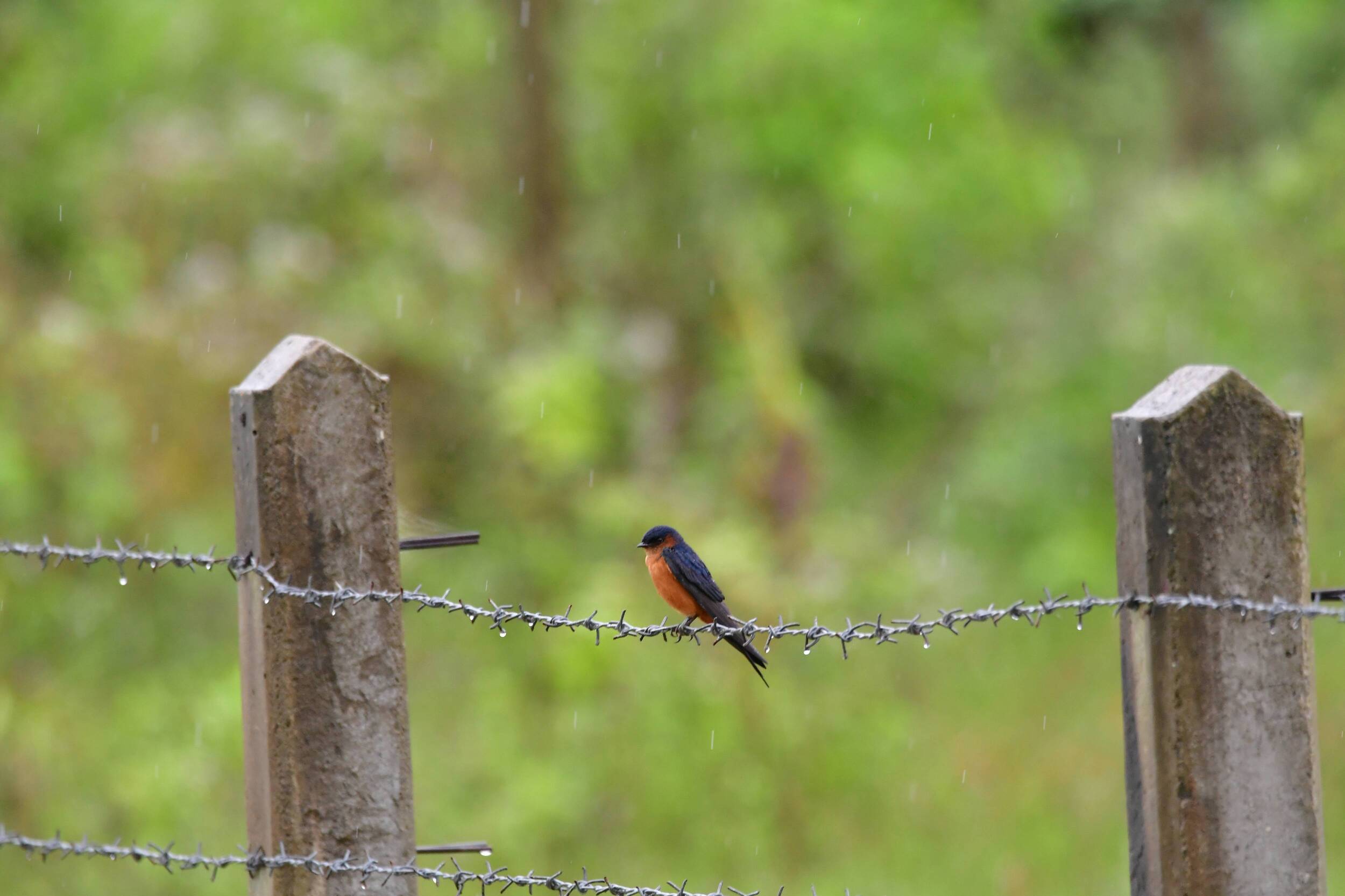
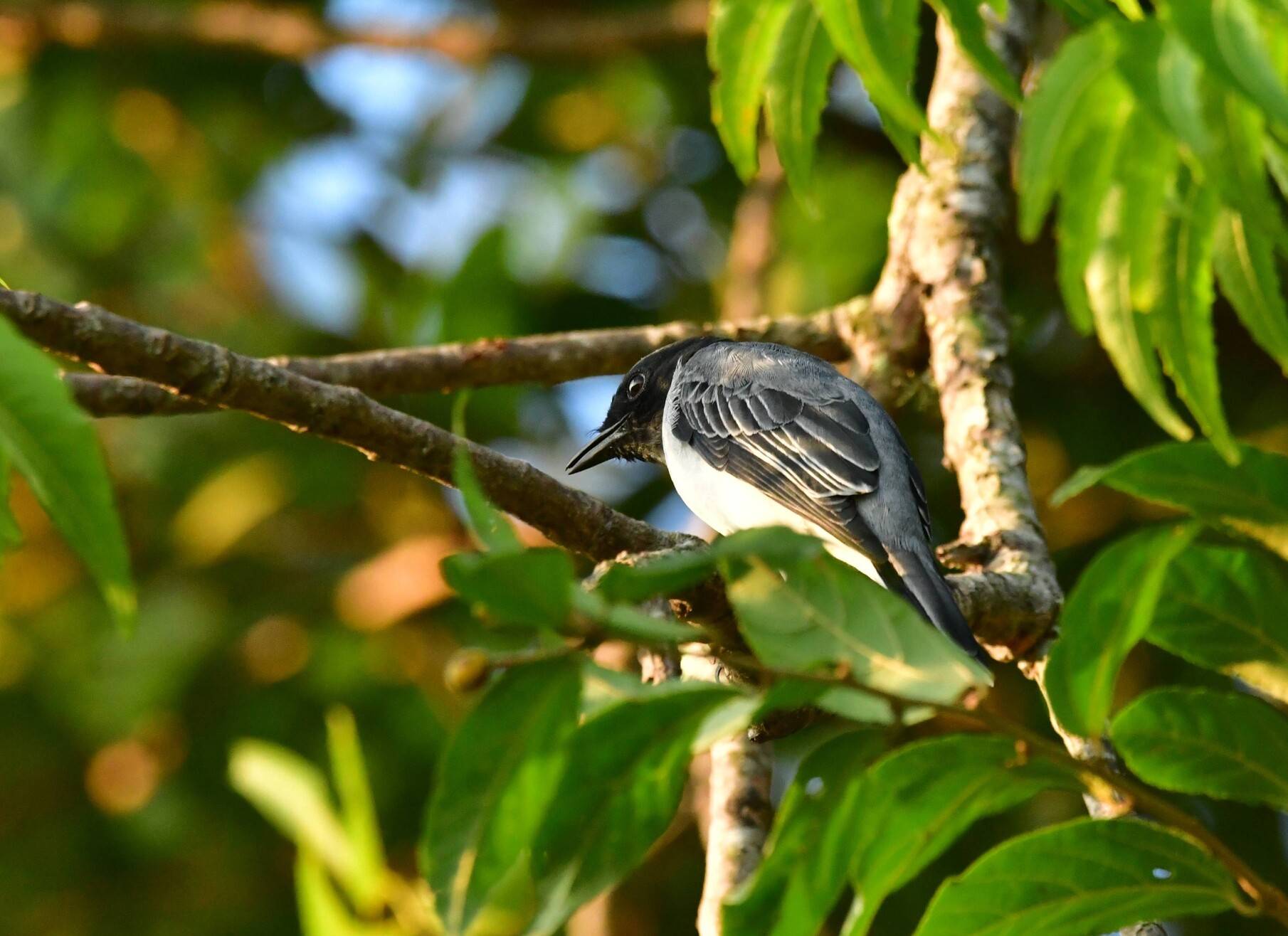
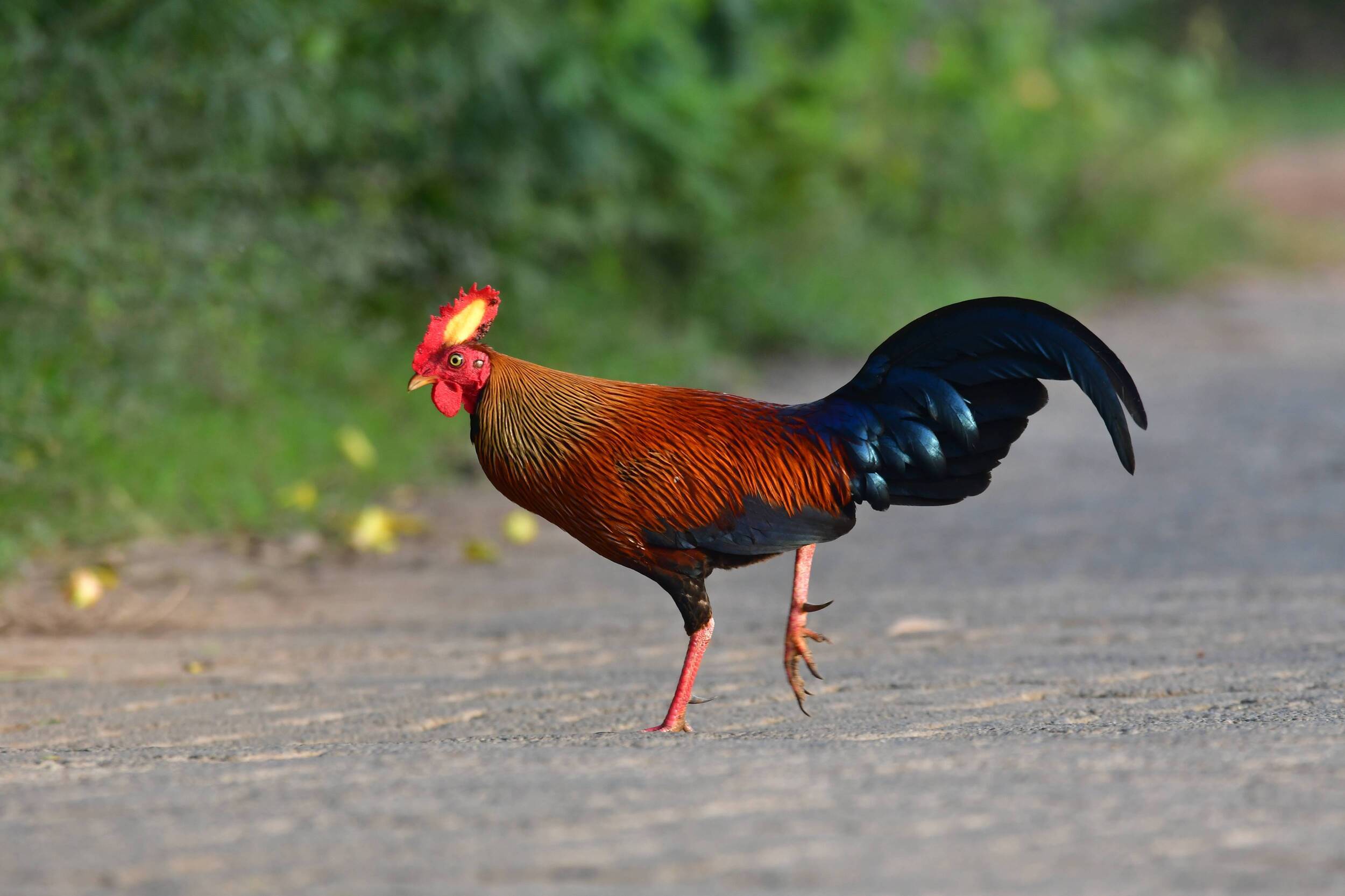
The highlight of my time at Rekawa was spotting a dolphin from the beach — most likely an Indian Ocean Bottlenose Dolphin, according to a local expert. I only managed to photograph its dorsal fin, but the sighting was unforgettable.

Kottawa Forest Reserve and Fort Galle
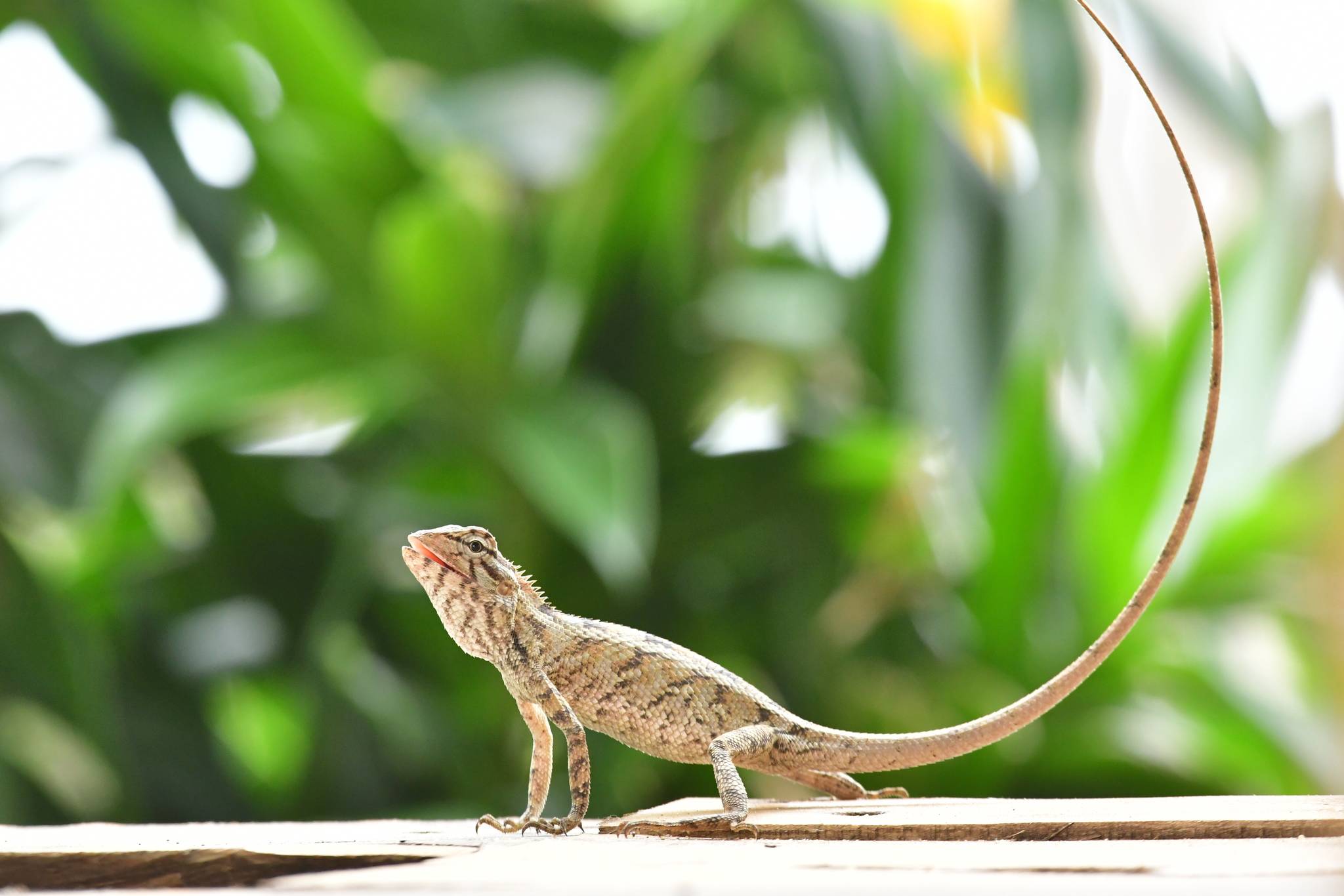
During our time on the southern coast, we also visited the historic city of Galle and its famous fort. On the way, we stopped at the Kottawa Nature Reserve, where our guide Rohan introduced us to local plant and animal species. Birds were scarce inside the dense forest — we spotted only a few flowerpeckers and a Black-crested Bulbul. However, we found some fascinating reptiles, including the spectacular Lyriocephalus scutatus and Otocryptis wiegmanni.
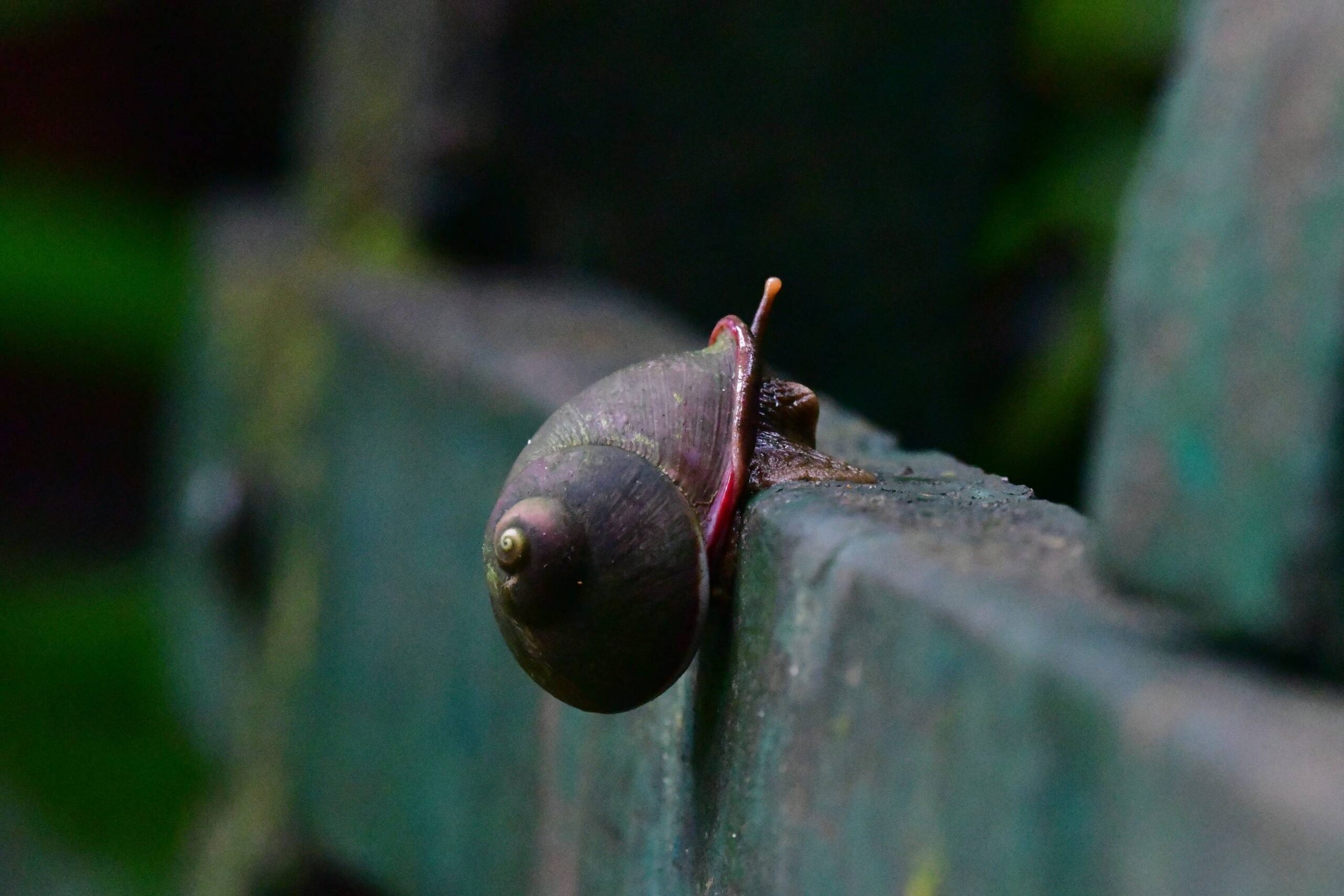
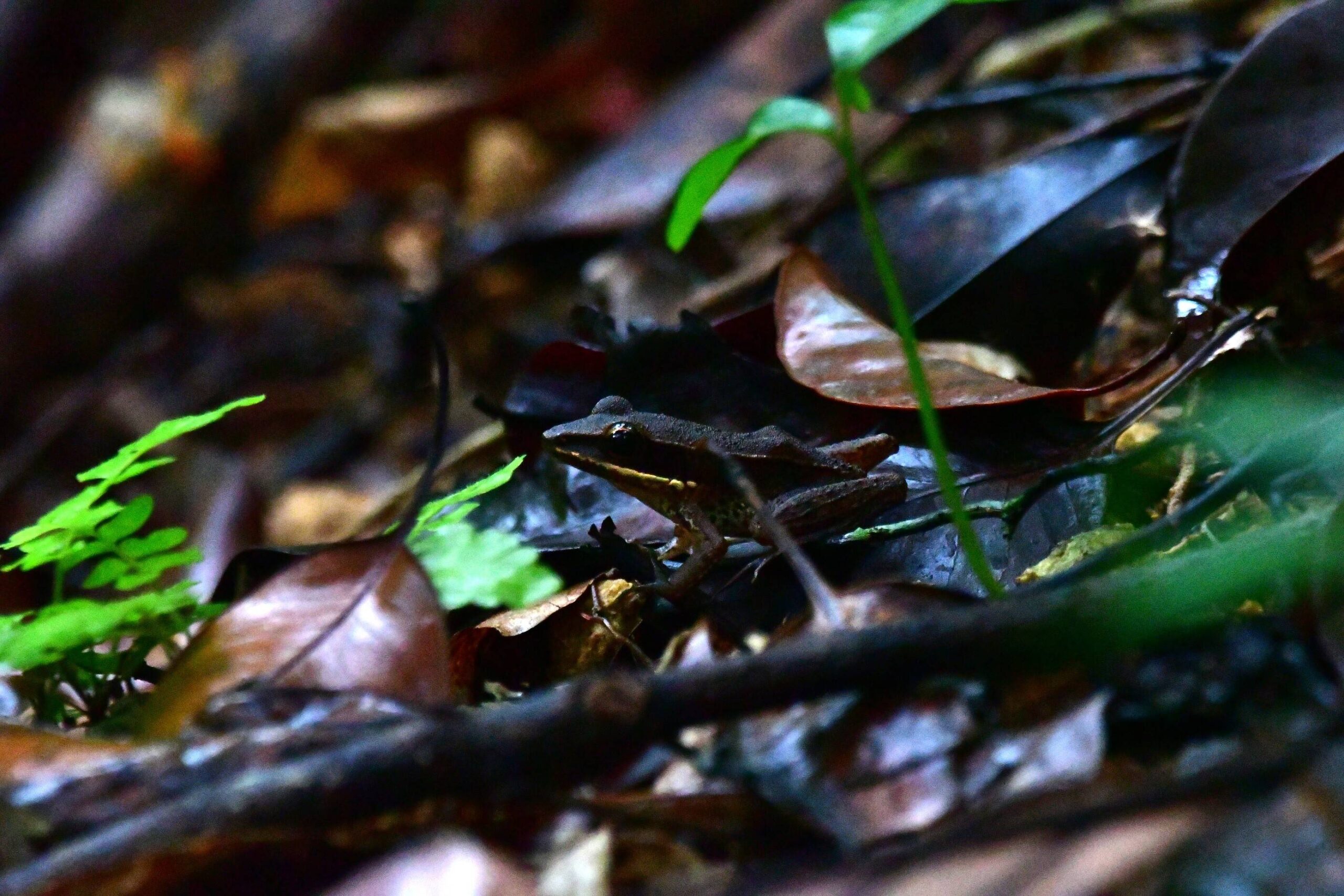
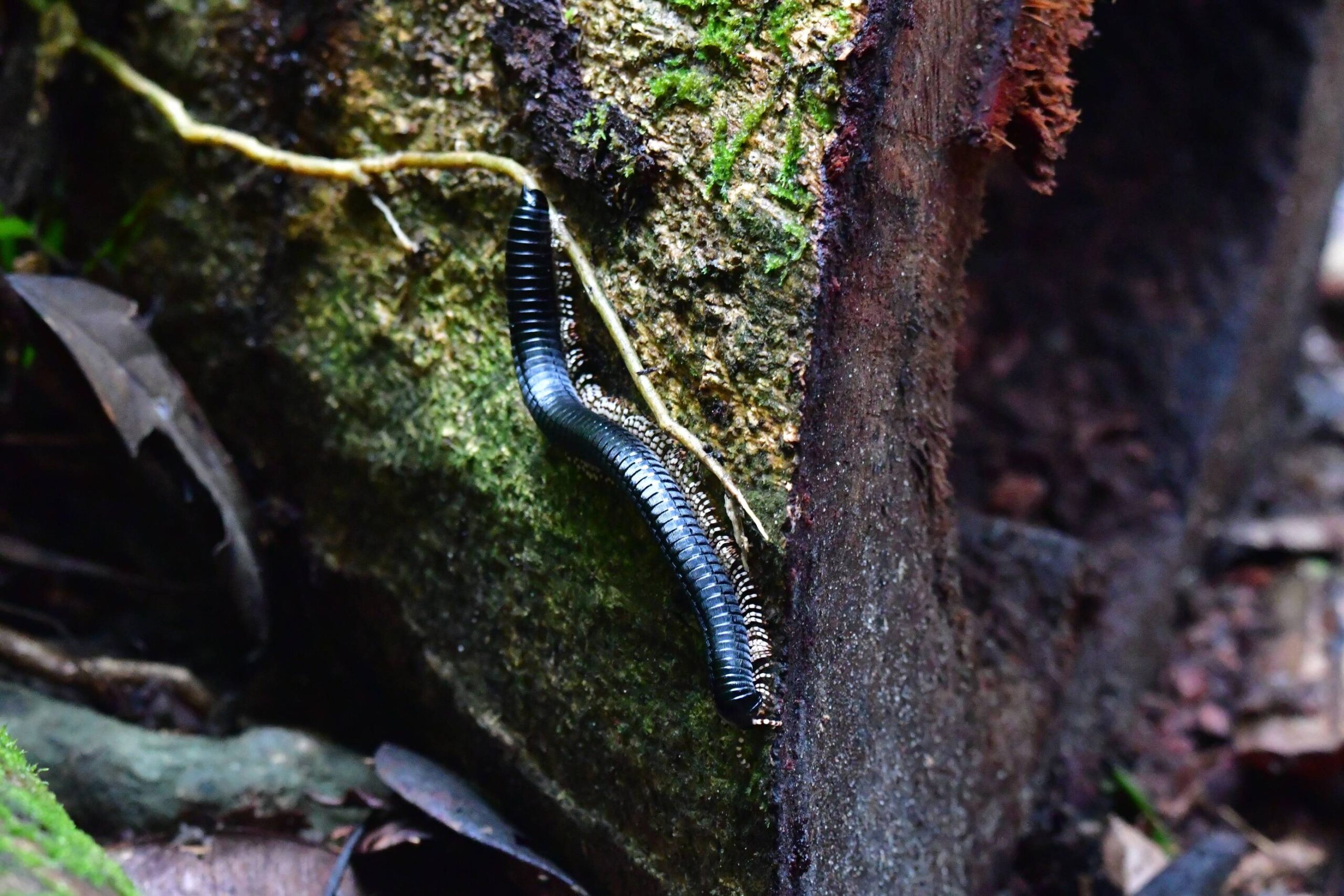
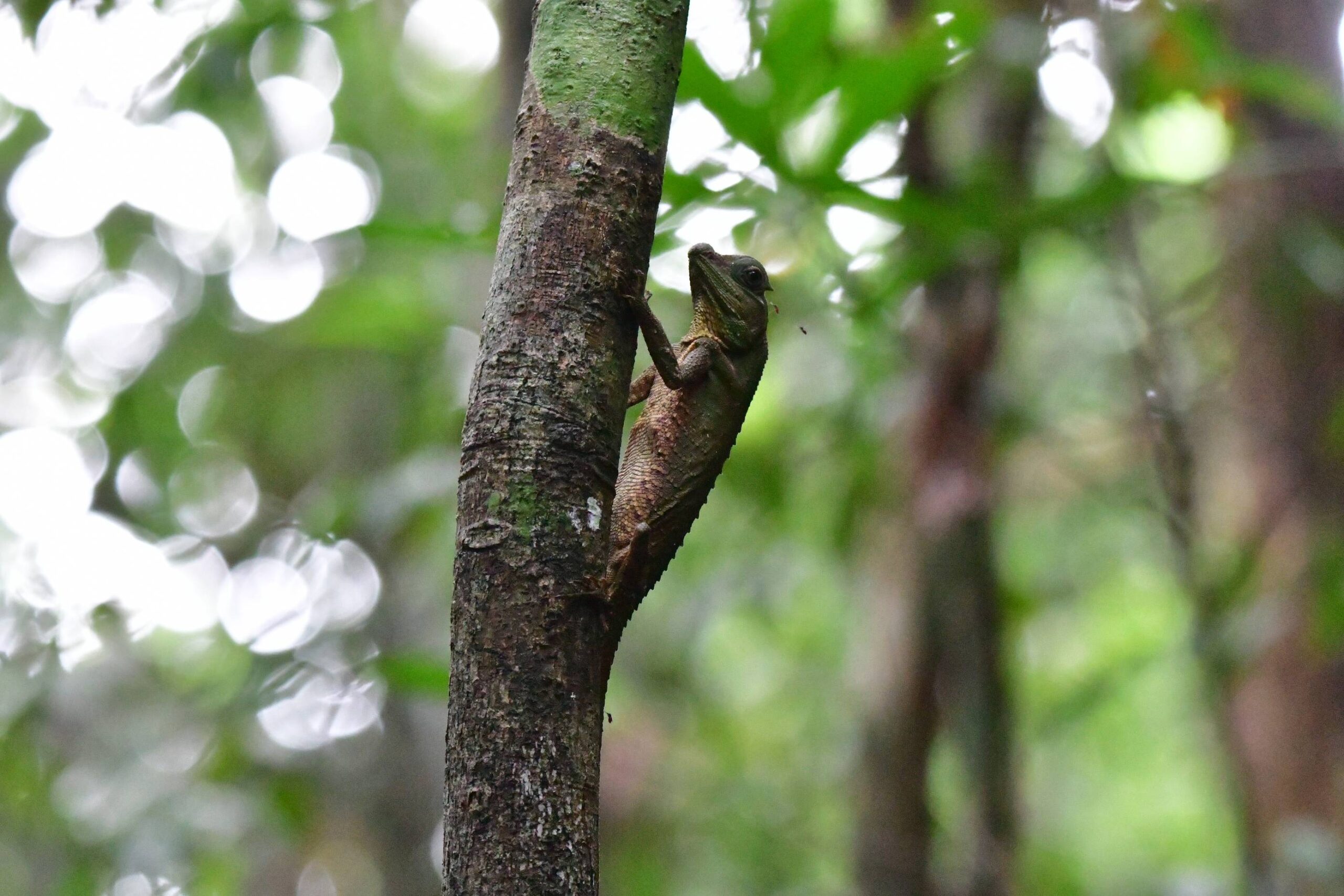
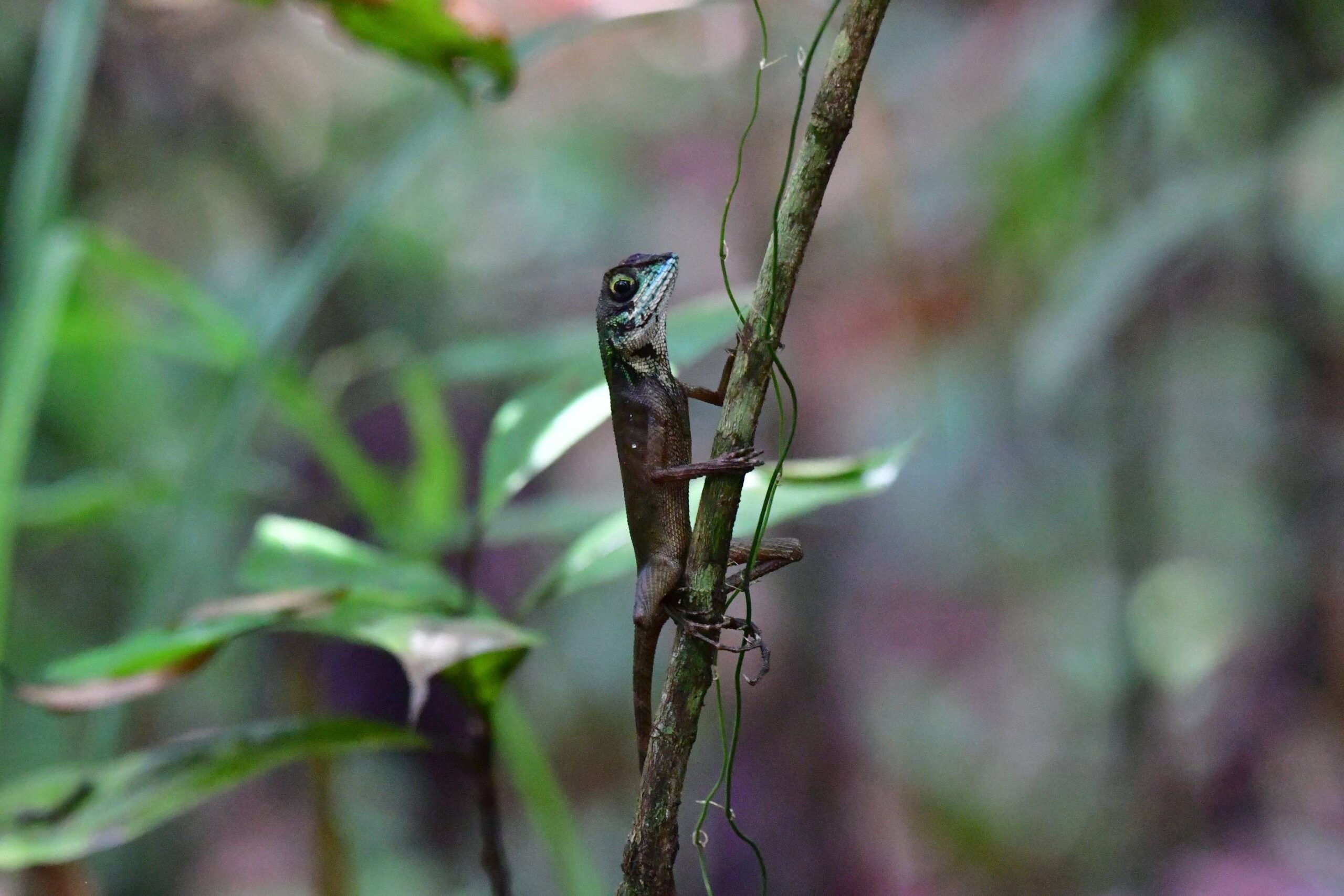
A word of warning: if you visit Kottawa, prepare for an invasion of land leeches. Unlike European leeches, these crawl on the ground, climb your boots and bite relentlessly. Removing them is quite unpleasant.
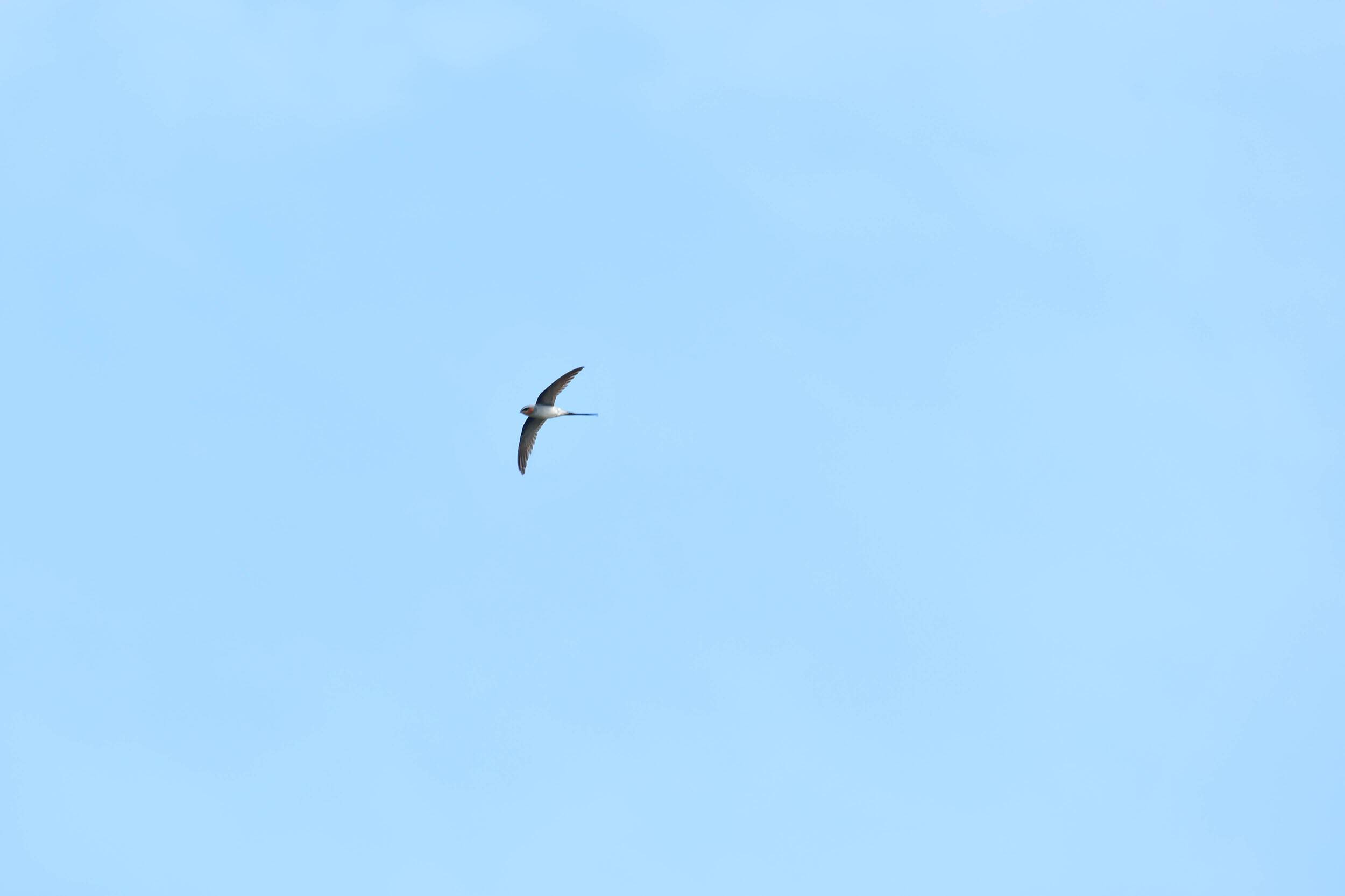
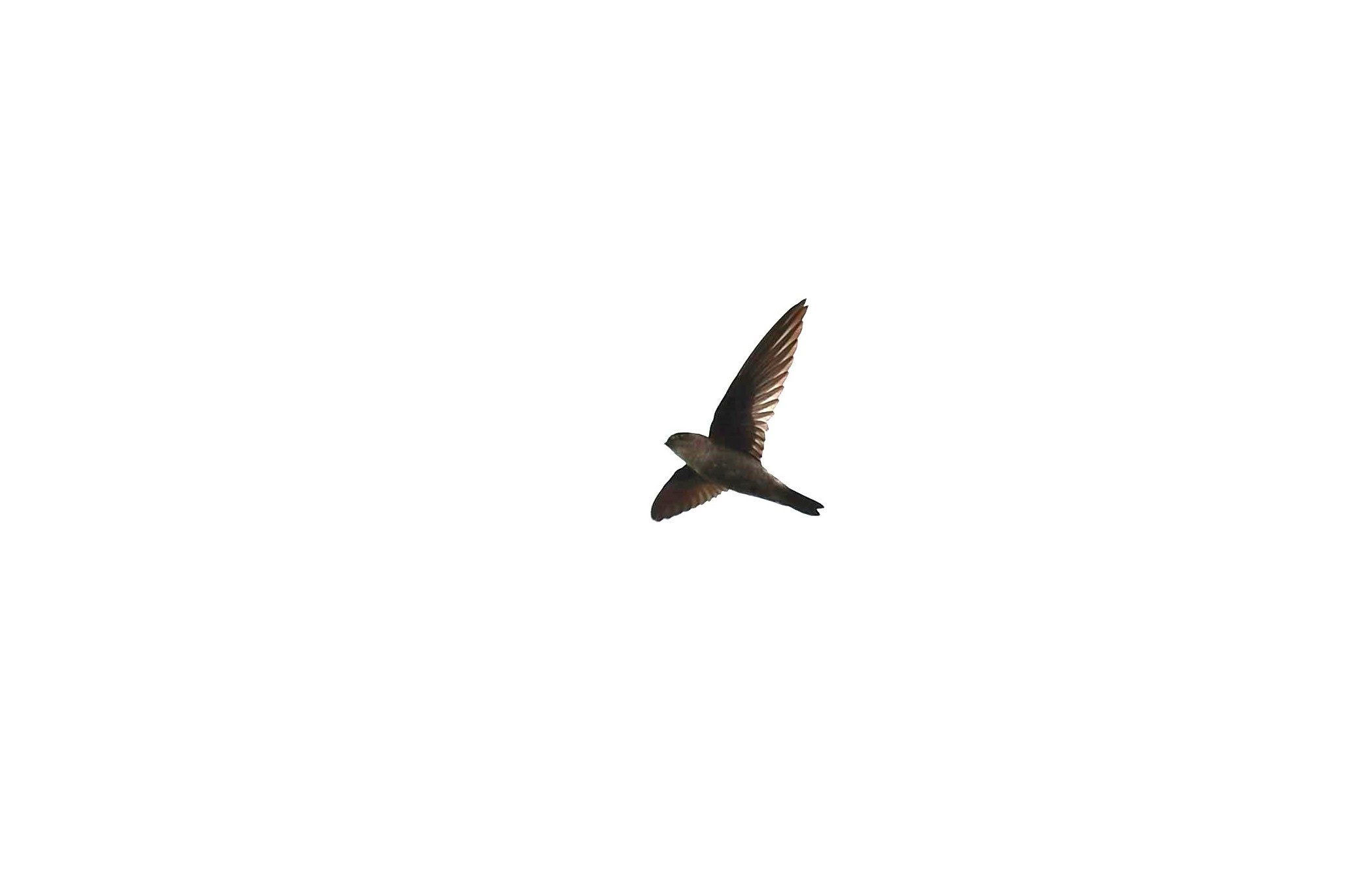
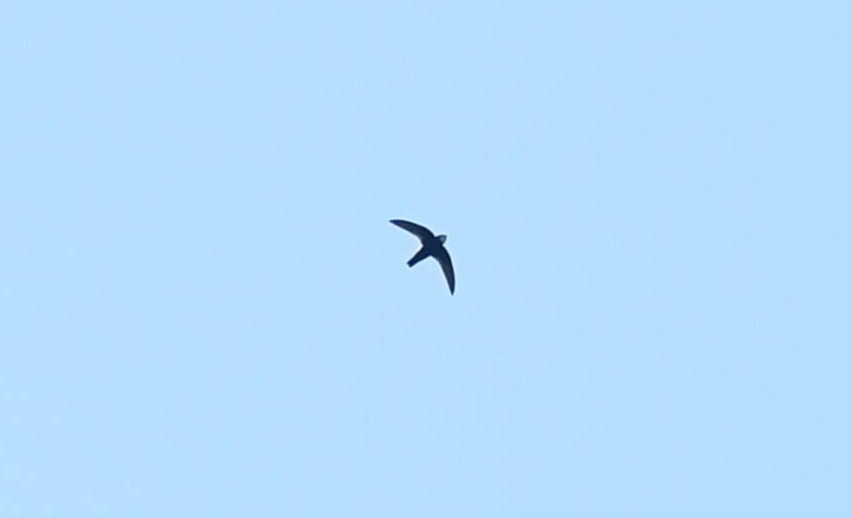
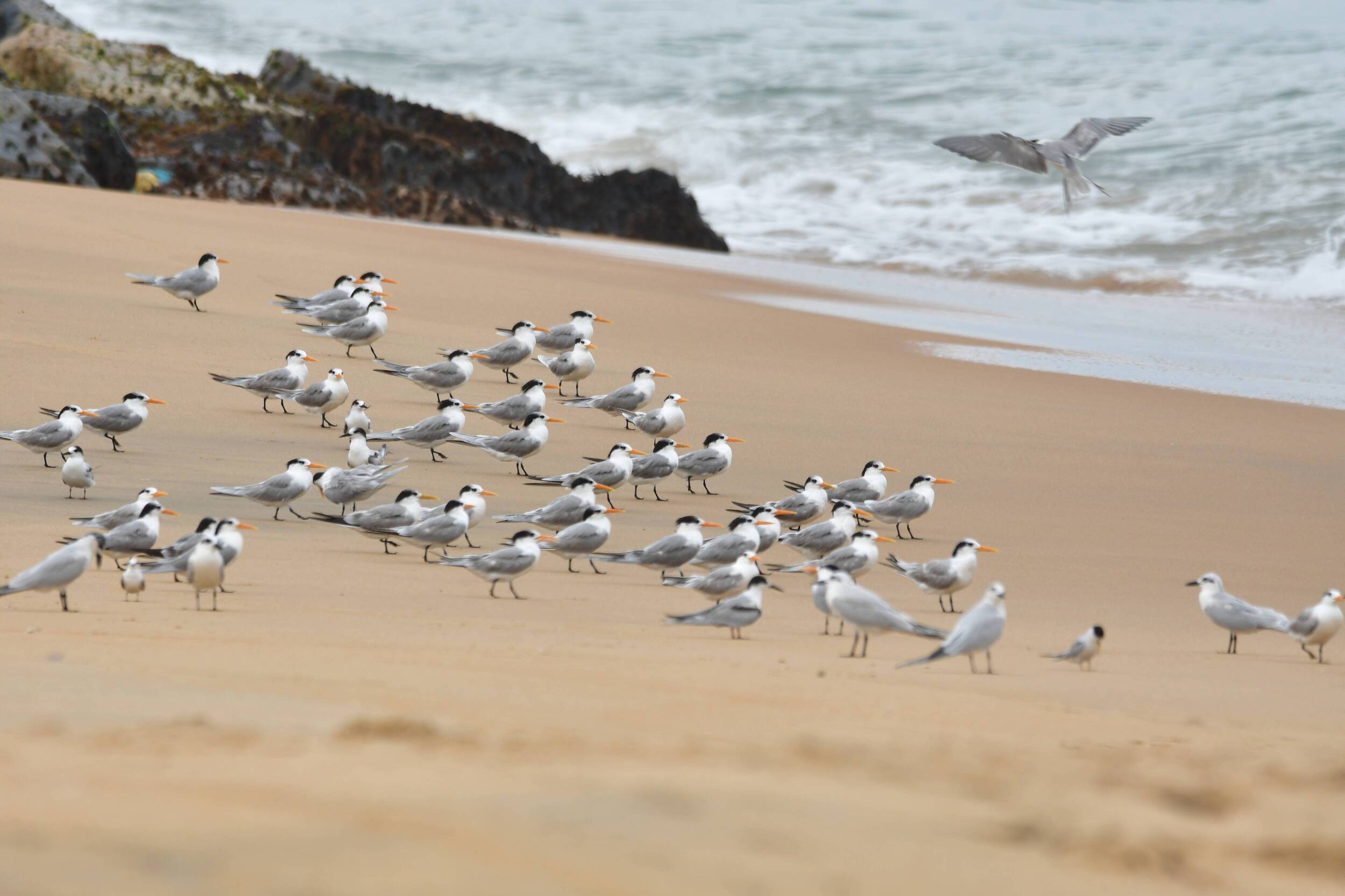
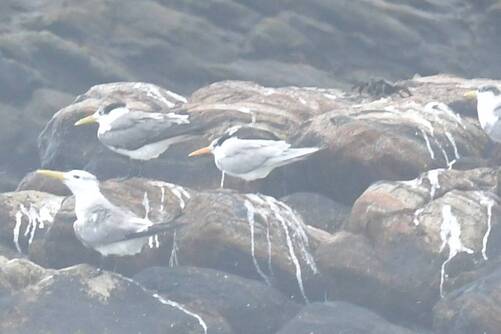
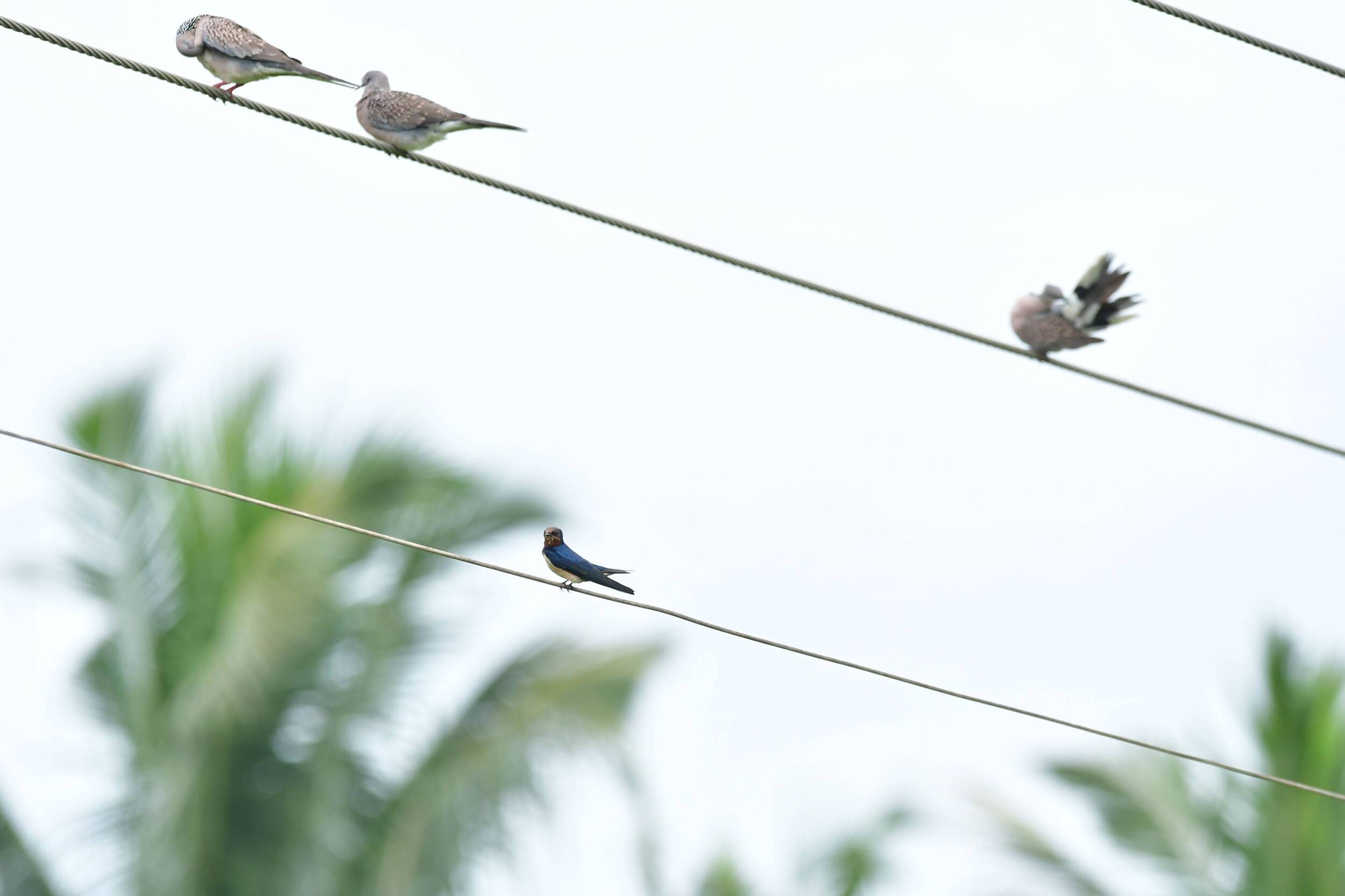
Walking through the old fort in Galle also yielded a few excellent sightings: Glossy Swiftlets, Red-vented Bulbuls, Sri Lanka Swallows, a Nepal House Martin, and a small group of resting terns — including Lesser Crested and Black-naped Terns.
Udawalawe National Park – Sri Lanka birds on safari
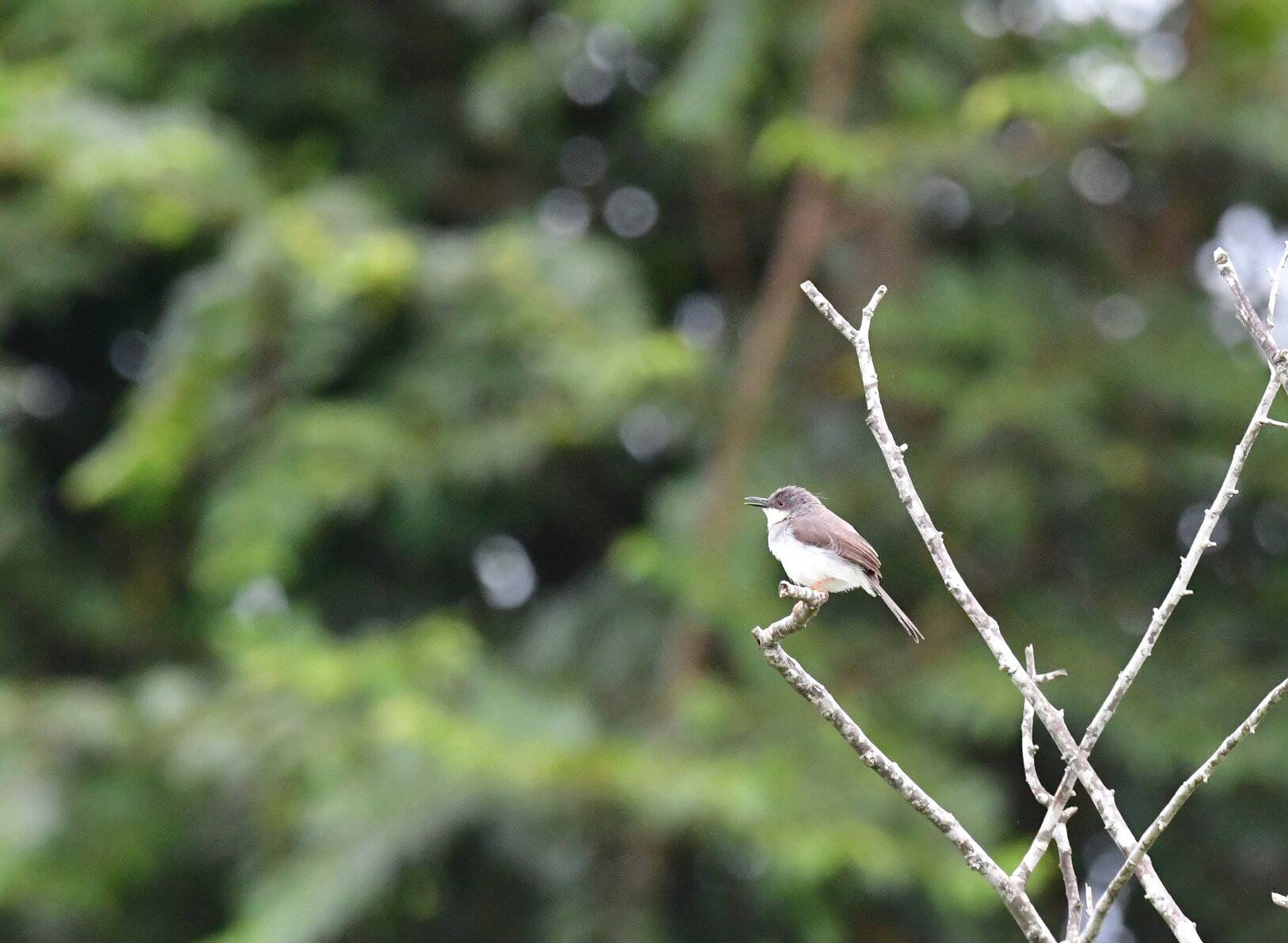
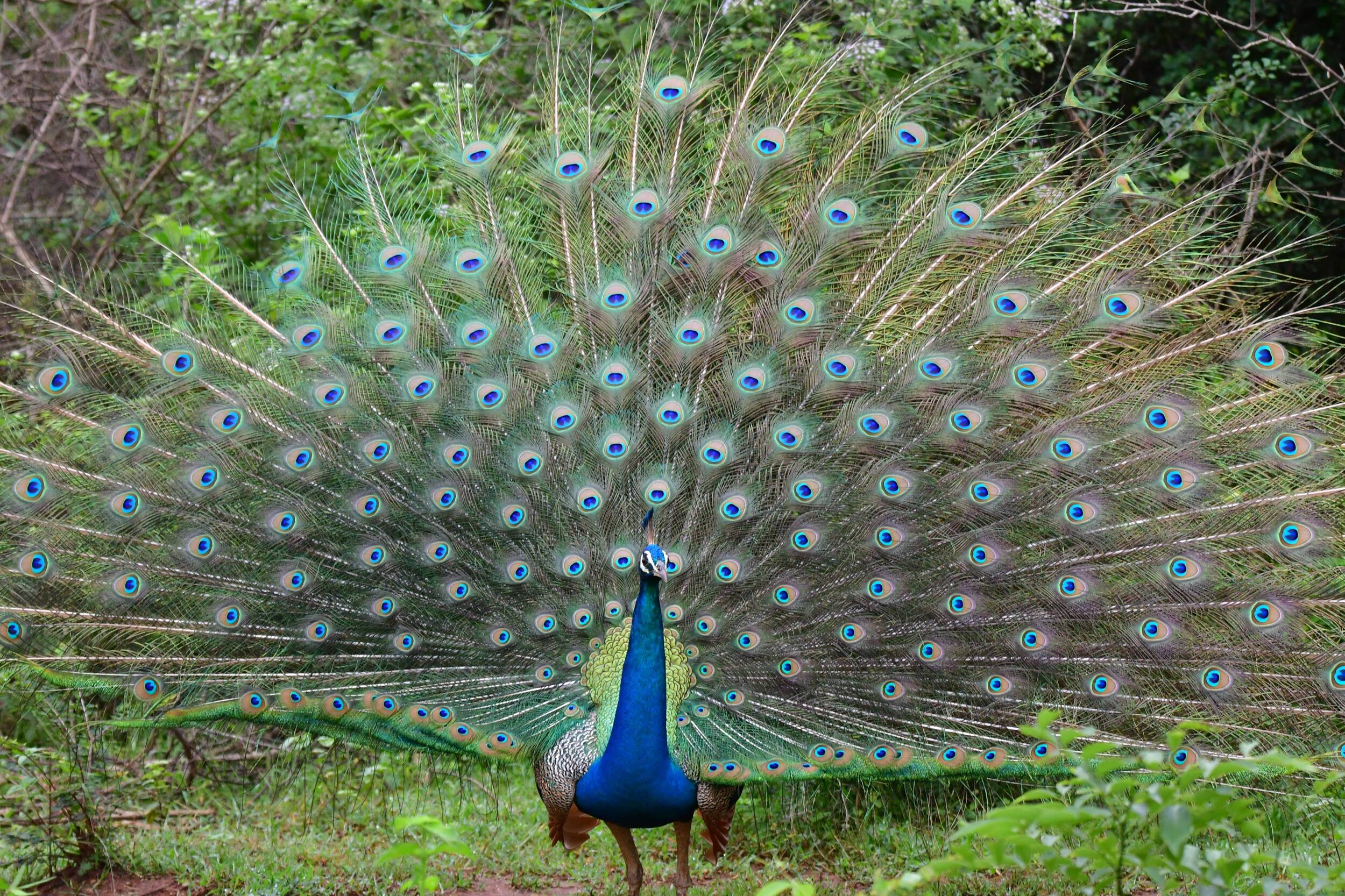
A safari in Udawalawe National Park is an absolute must for any birdwatcher visiting Ceylon. We set out before dawn, though unfortunately we made a costly mistake by not clearly agreeing on the duration of the jeep hire upfront. After just three hours, our driver left the park despite my protests. Despite being cheated, the morning still delivered an incredible variety of new species, including Indian Peafowl, Gray-headed Fish Eagle, Indian Roller, Indian Courser, Lesser Adjutant, Painted Stork, Greater Flameback, Sri Lanka Junglefowl, and Alexandrine Parakeet.
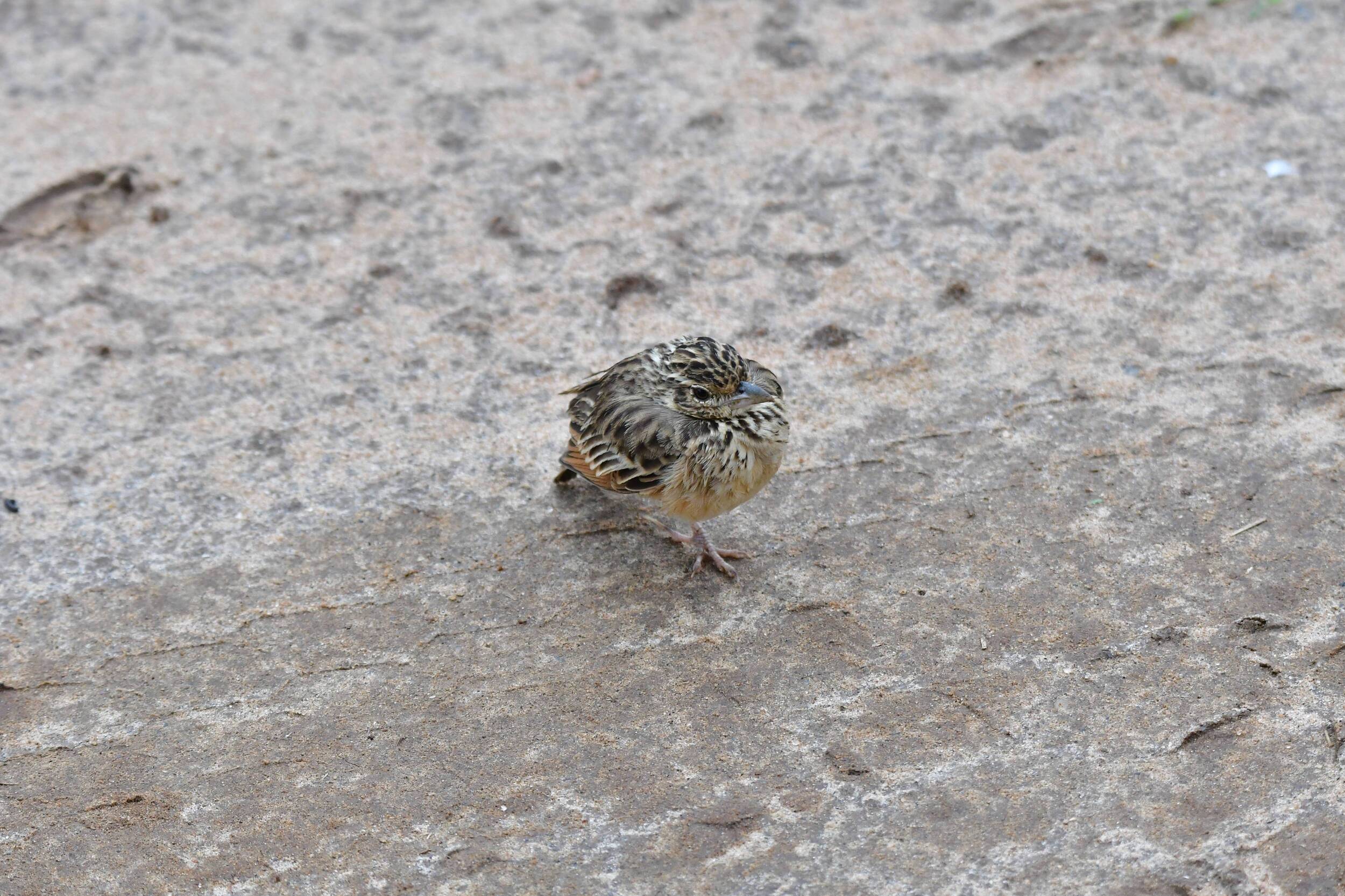
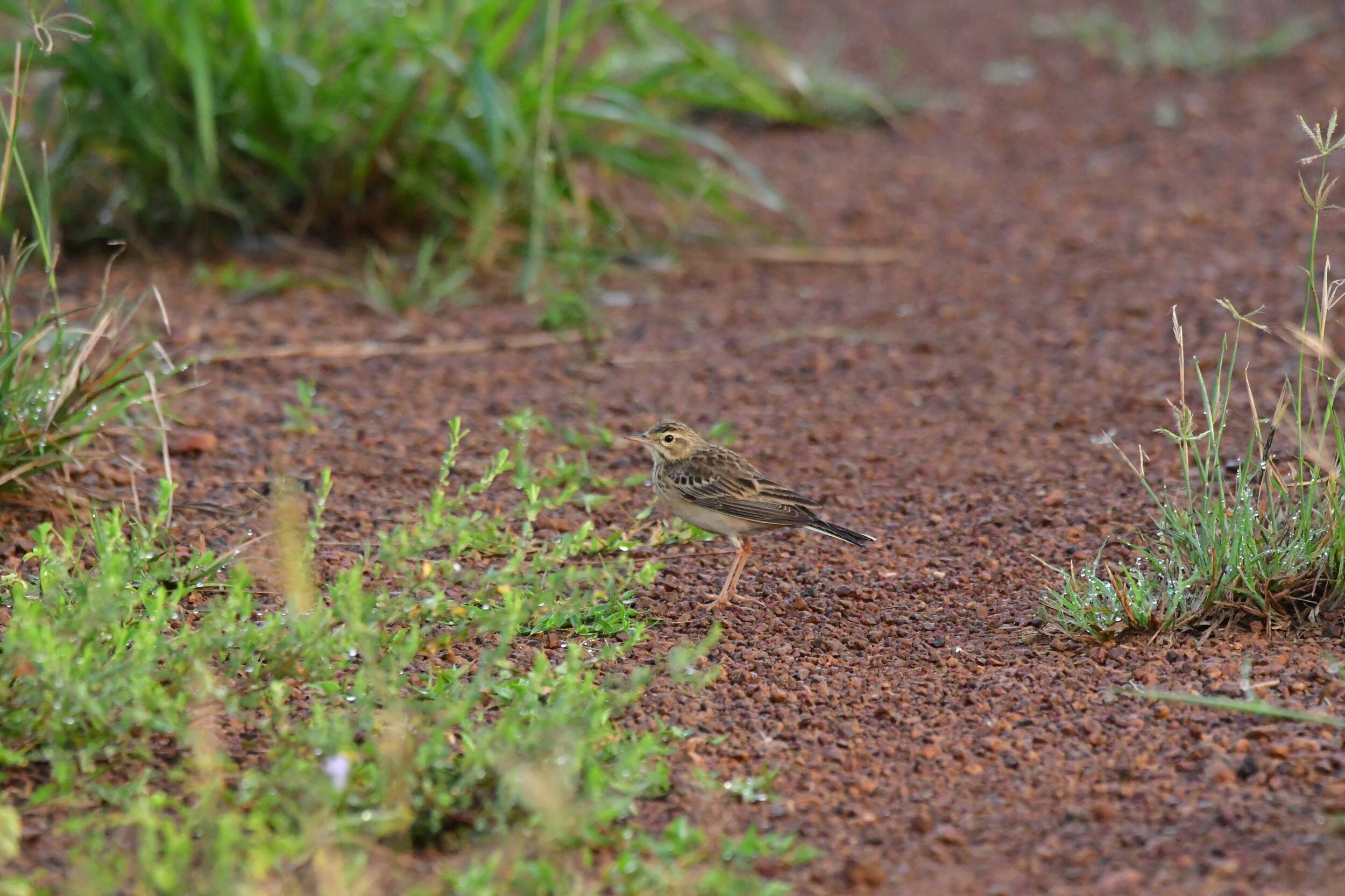
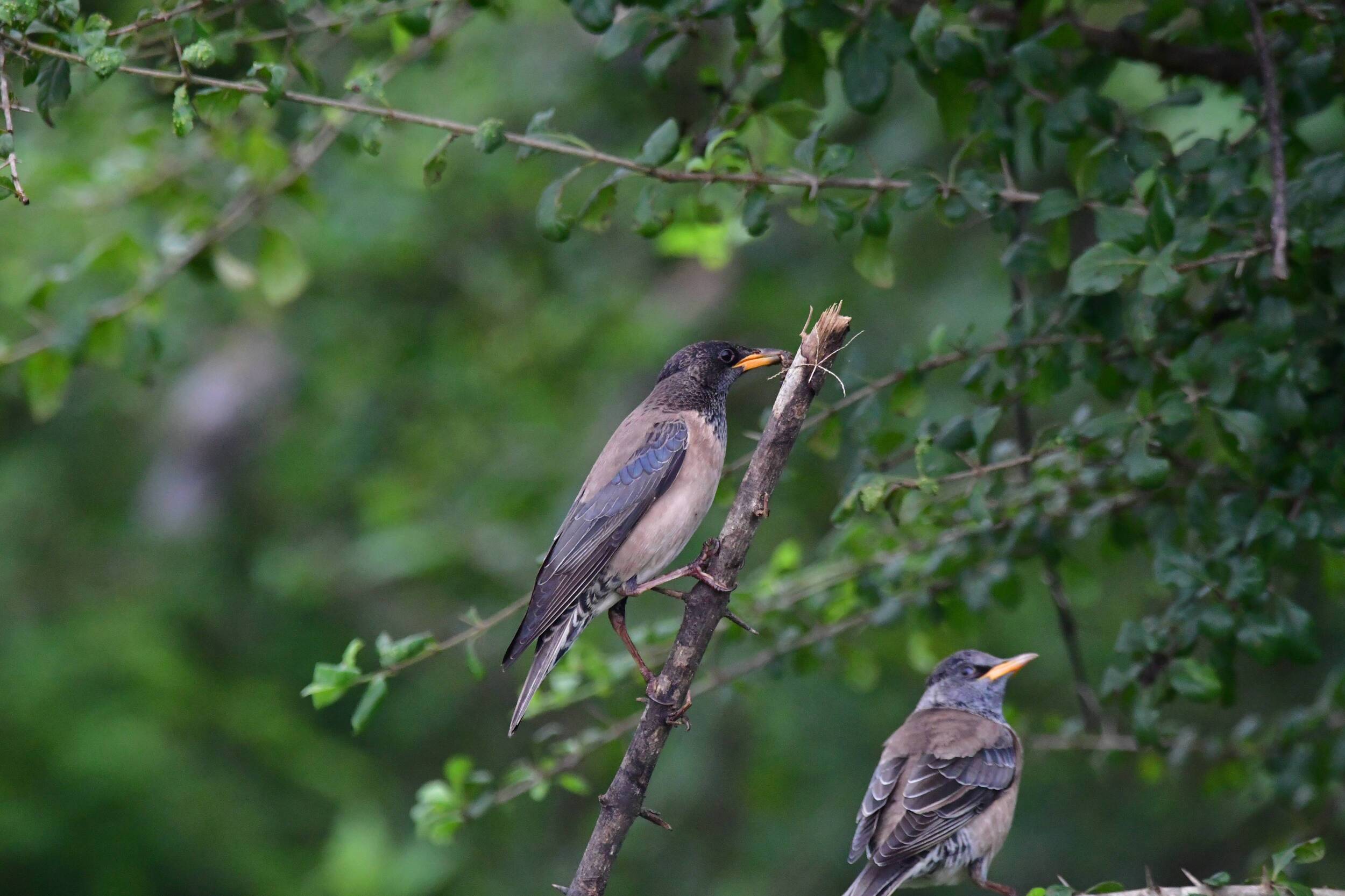
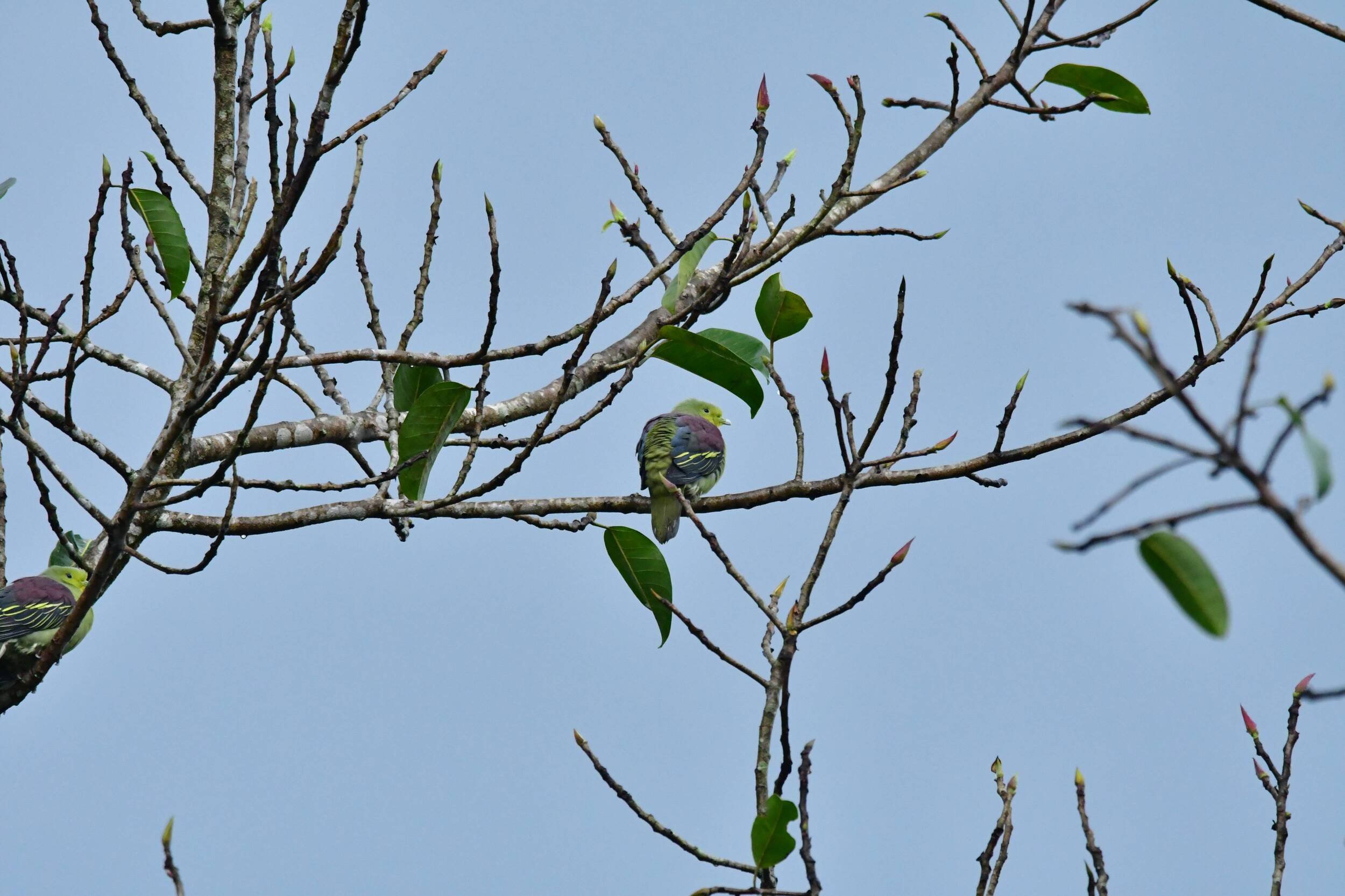
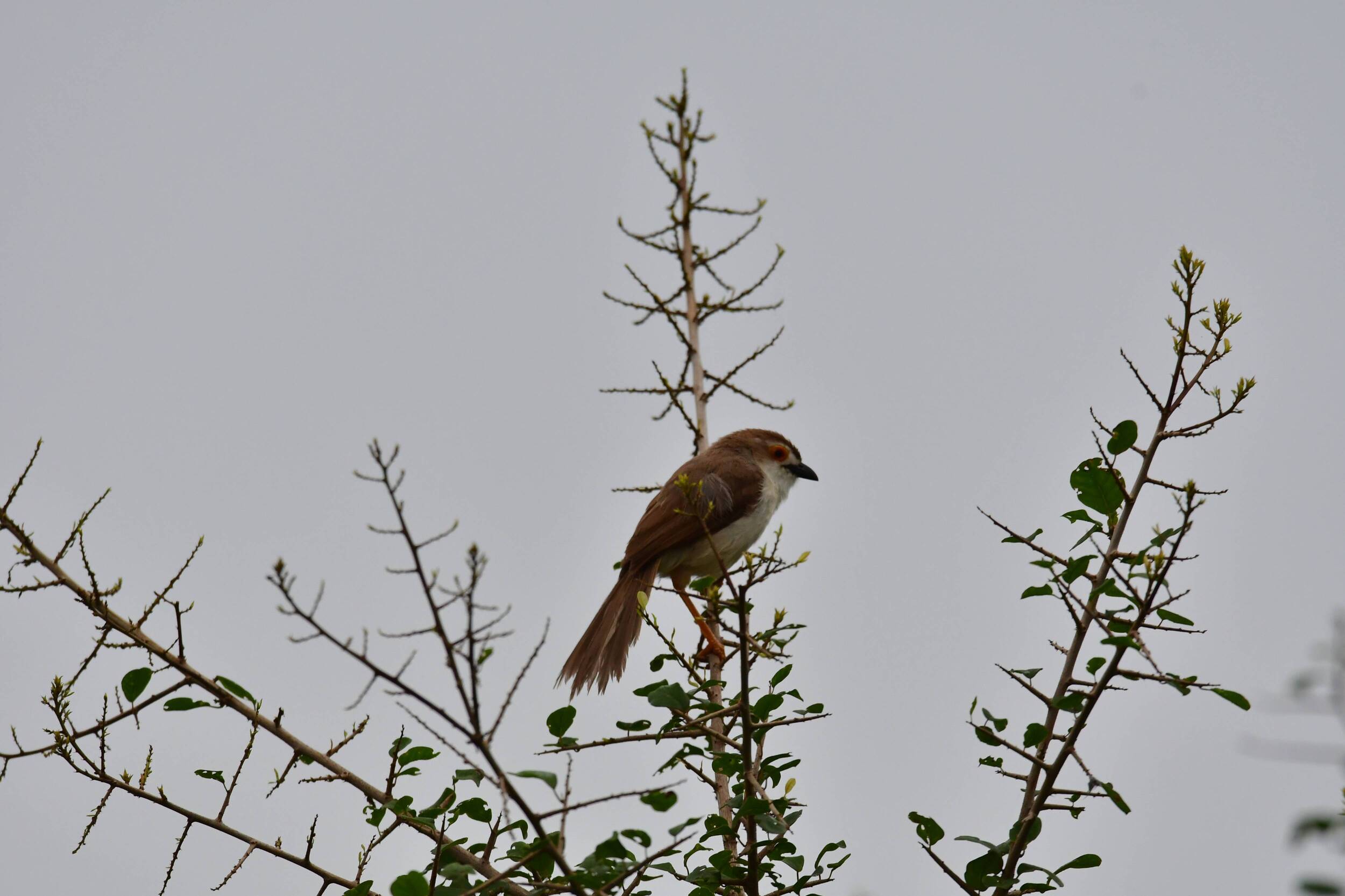
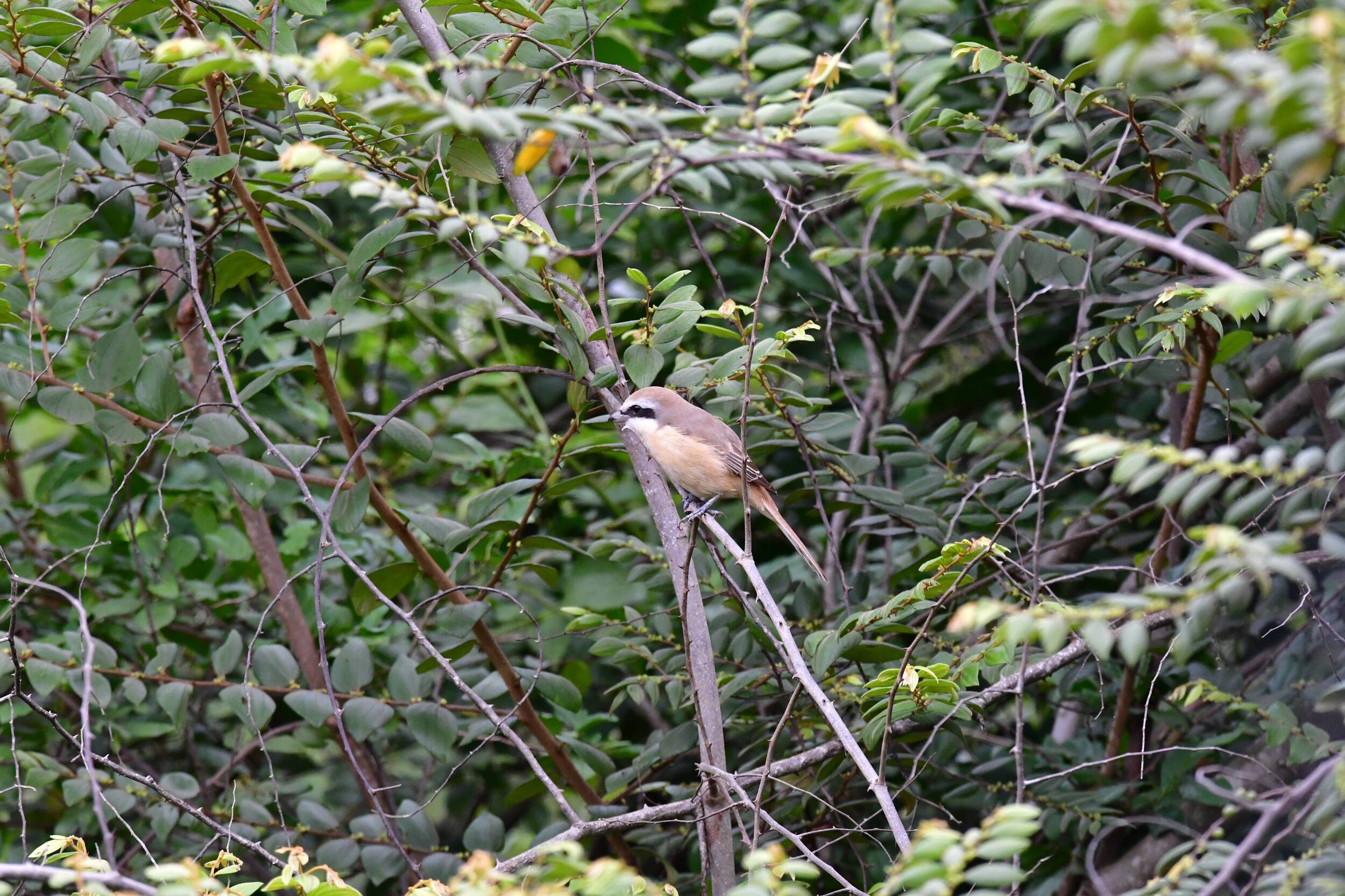
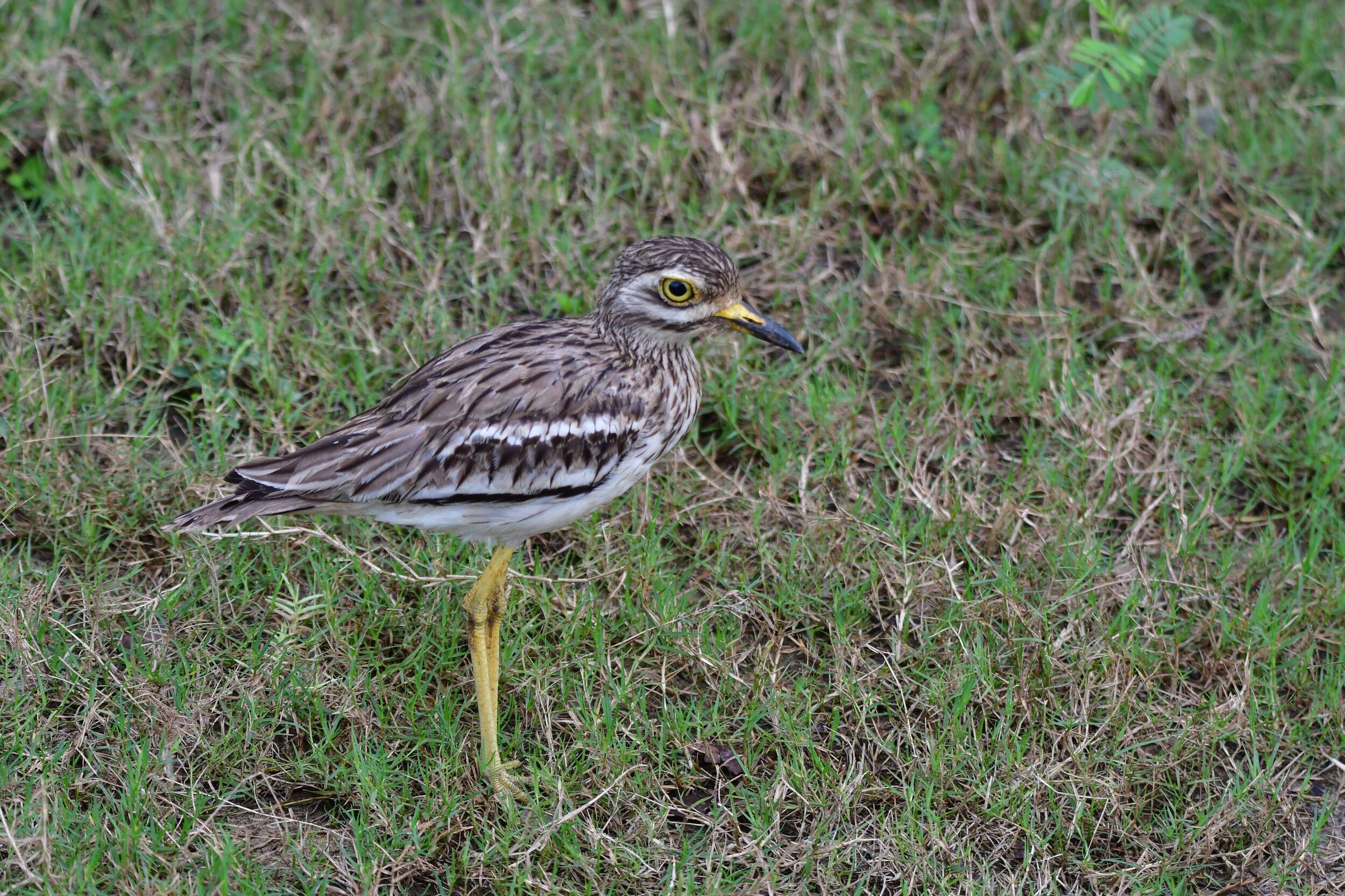
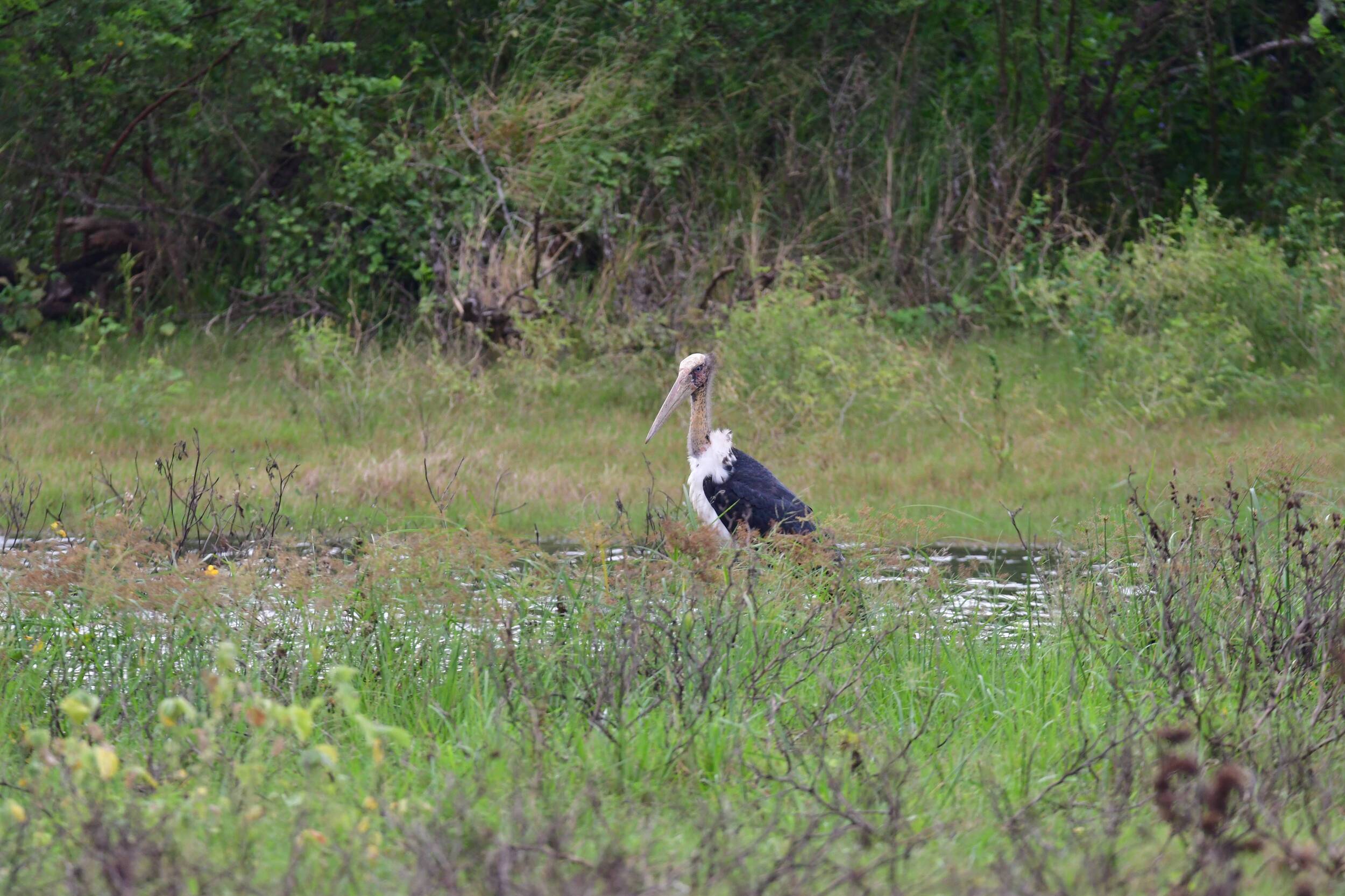
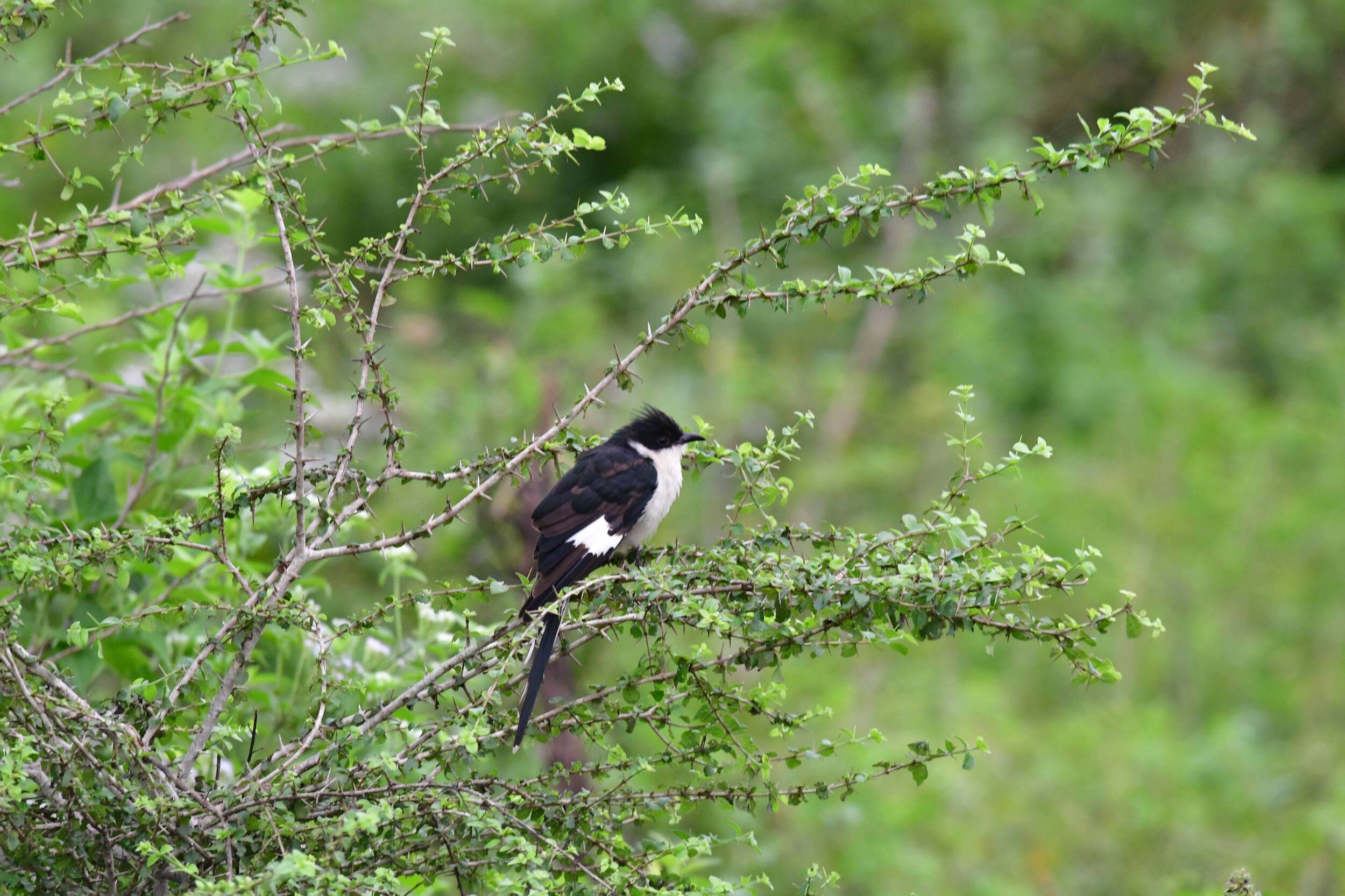
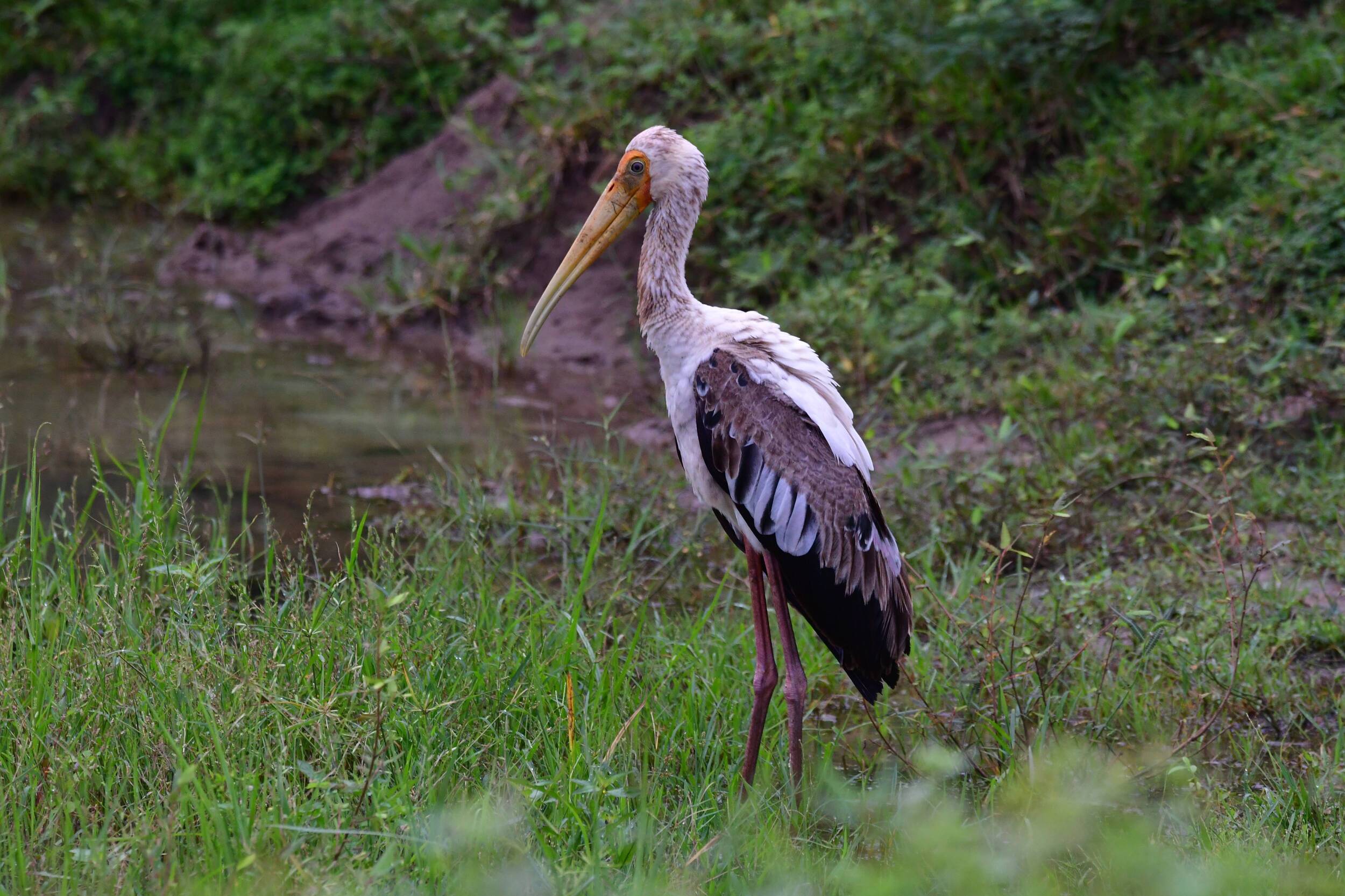
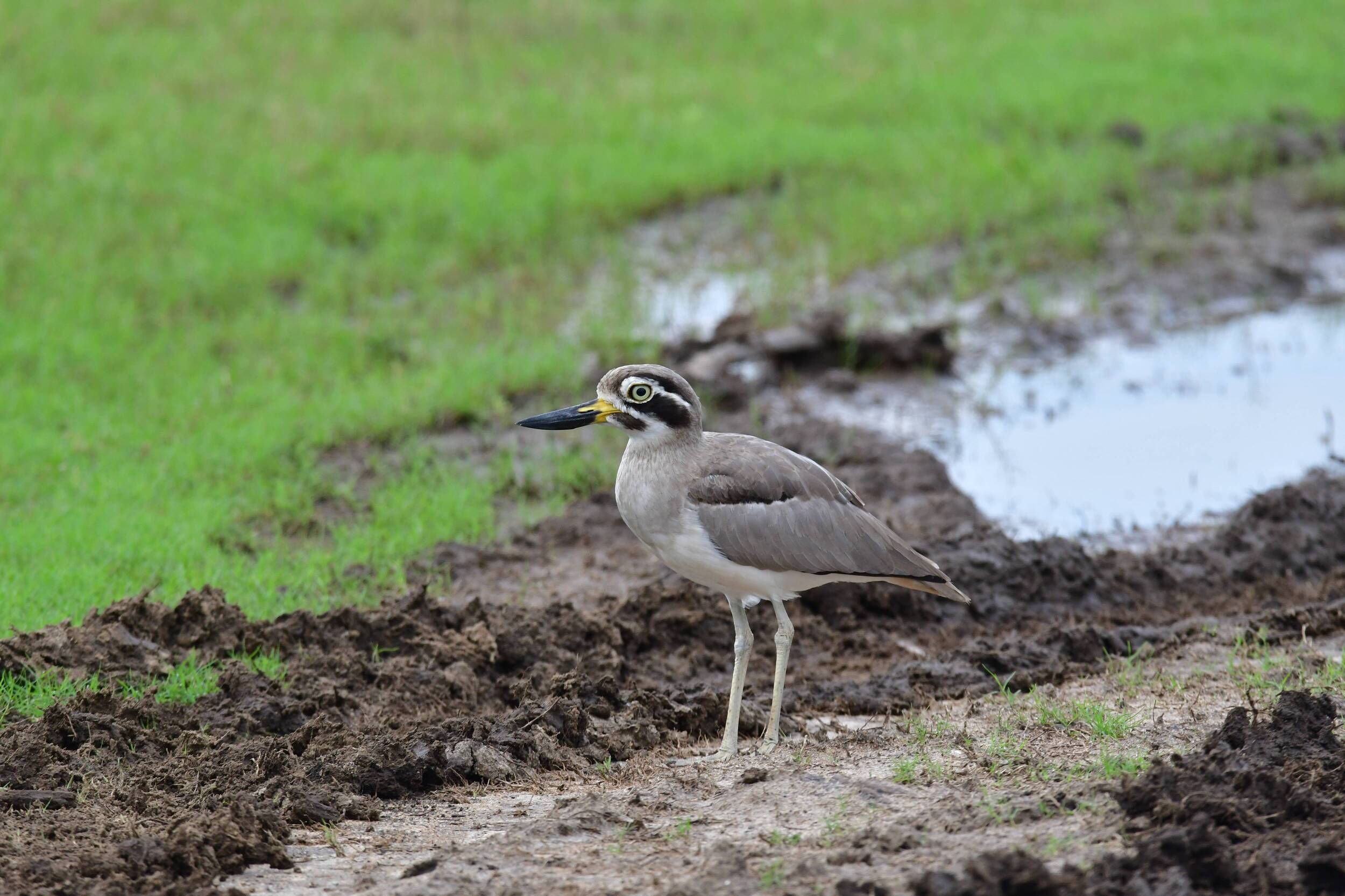
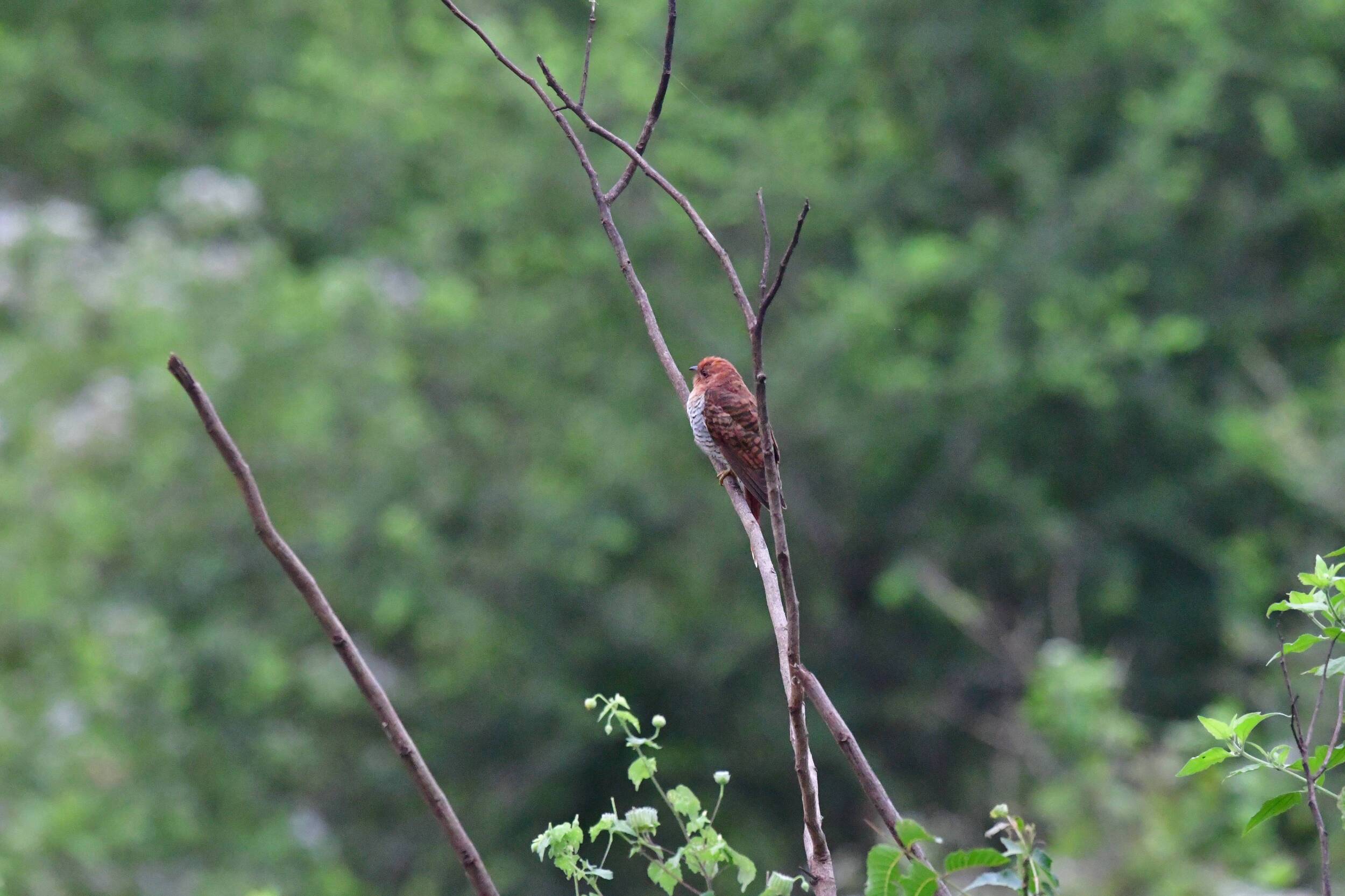
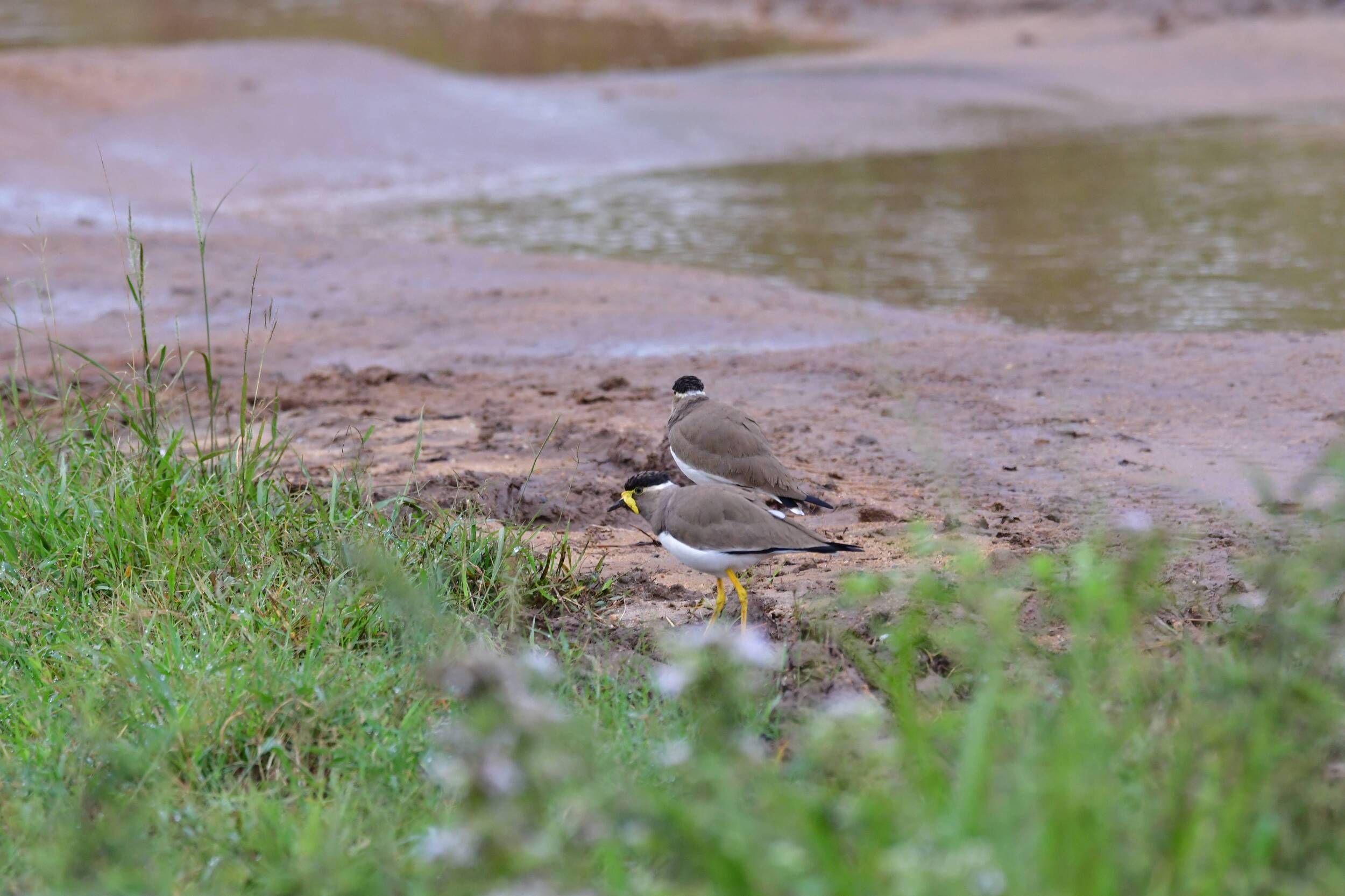
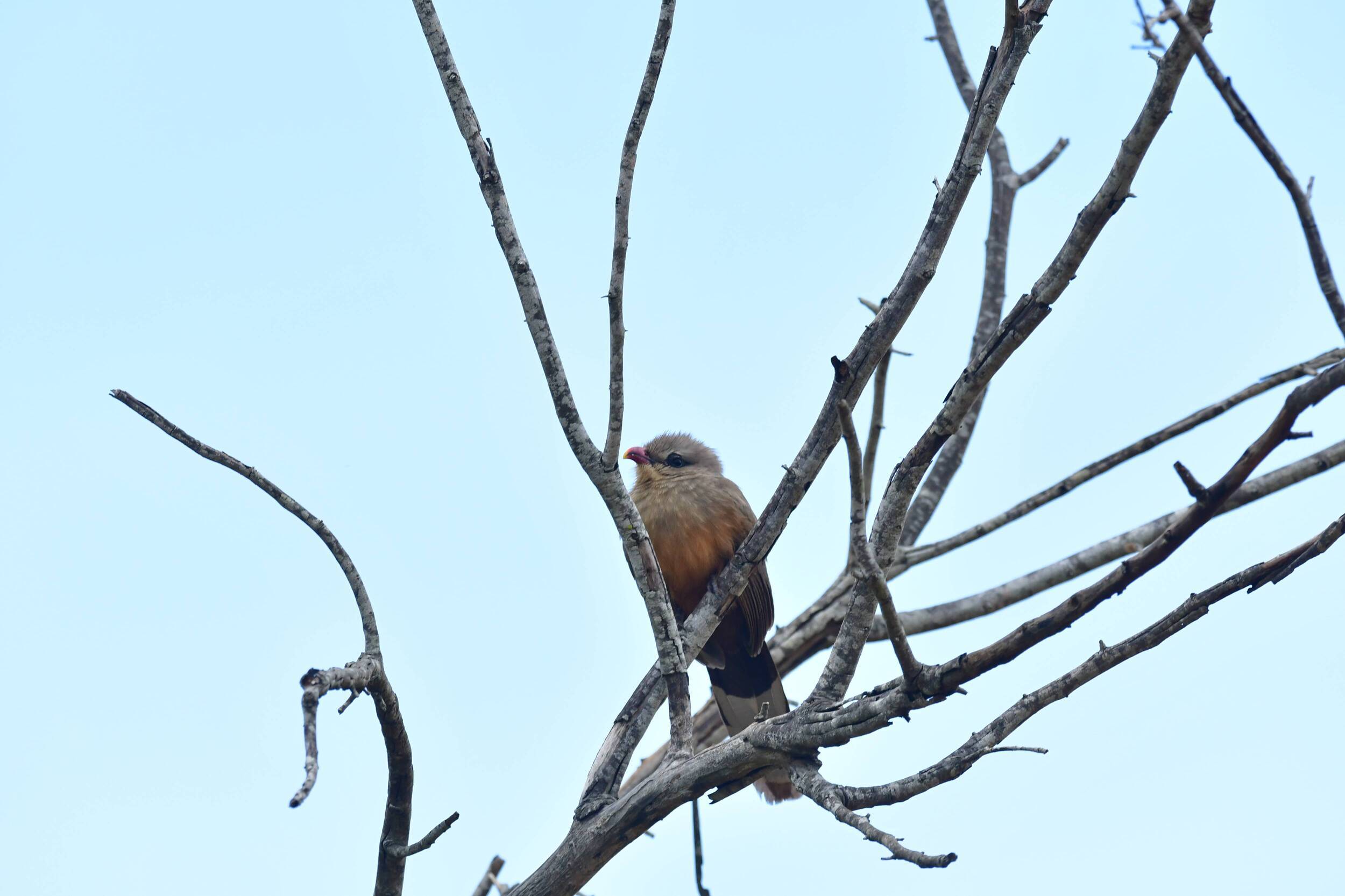
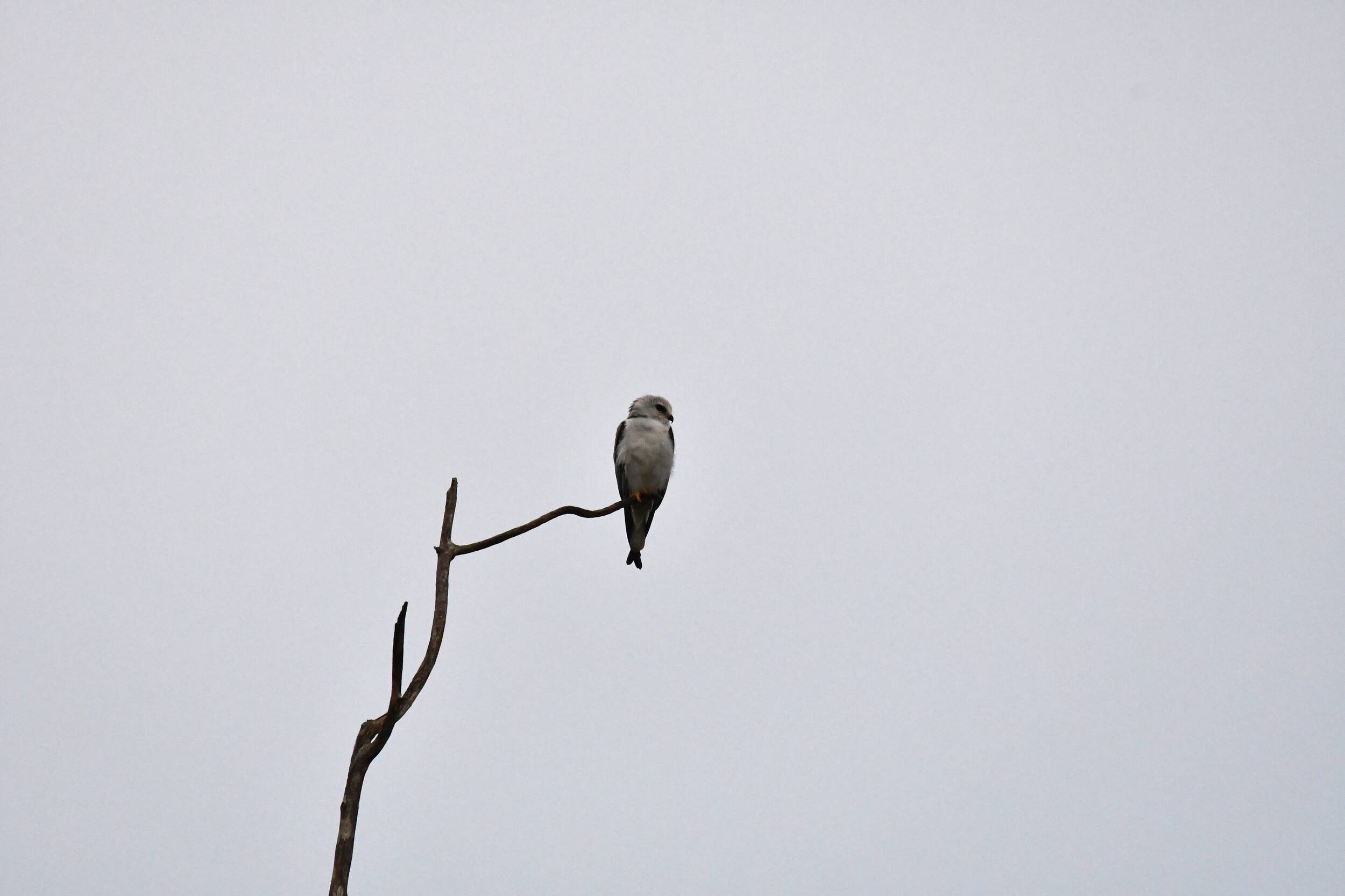
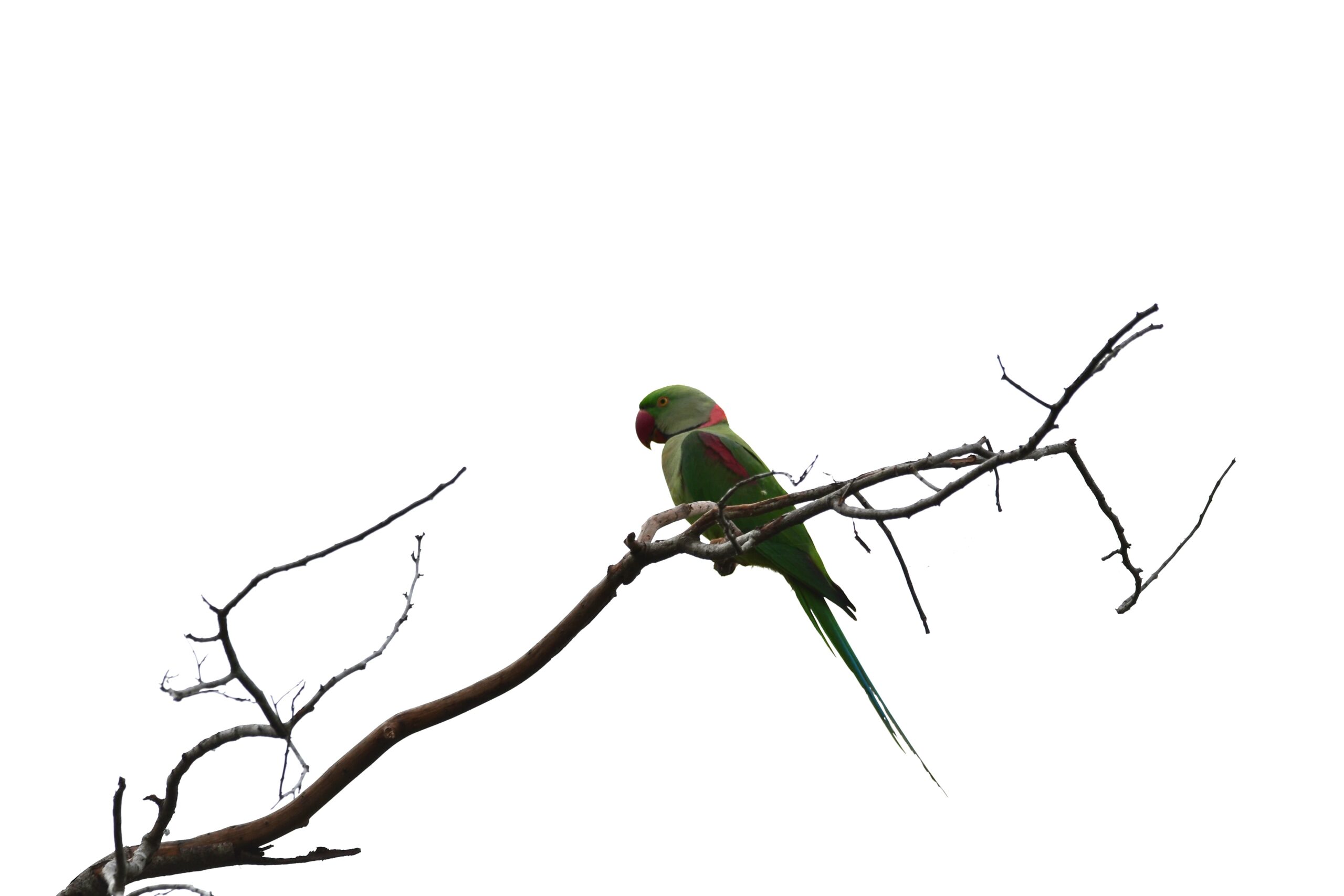
Beyond the birds, we observed Sri Lankan Elephants, Mugger Crocodiles, Axis Deer, and a Golden Jackal. If you are planning a Sri Lanka birdwatching trip, I strongly recommend dedicating a full day to Udawalawe — and sorting out the jeep terms in advance!
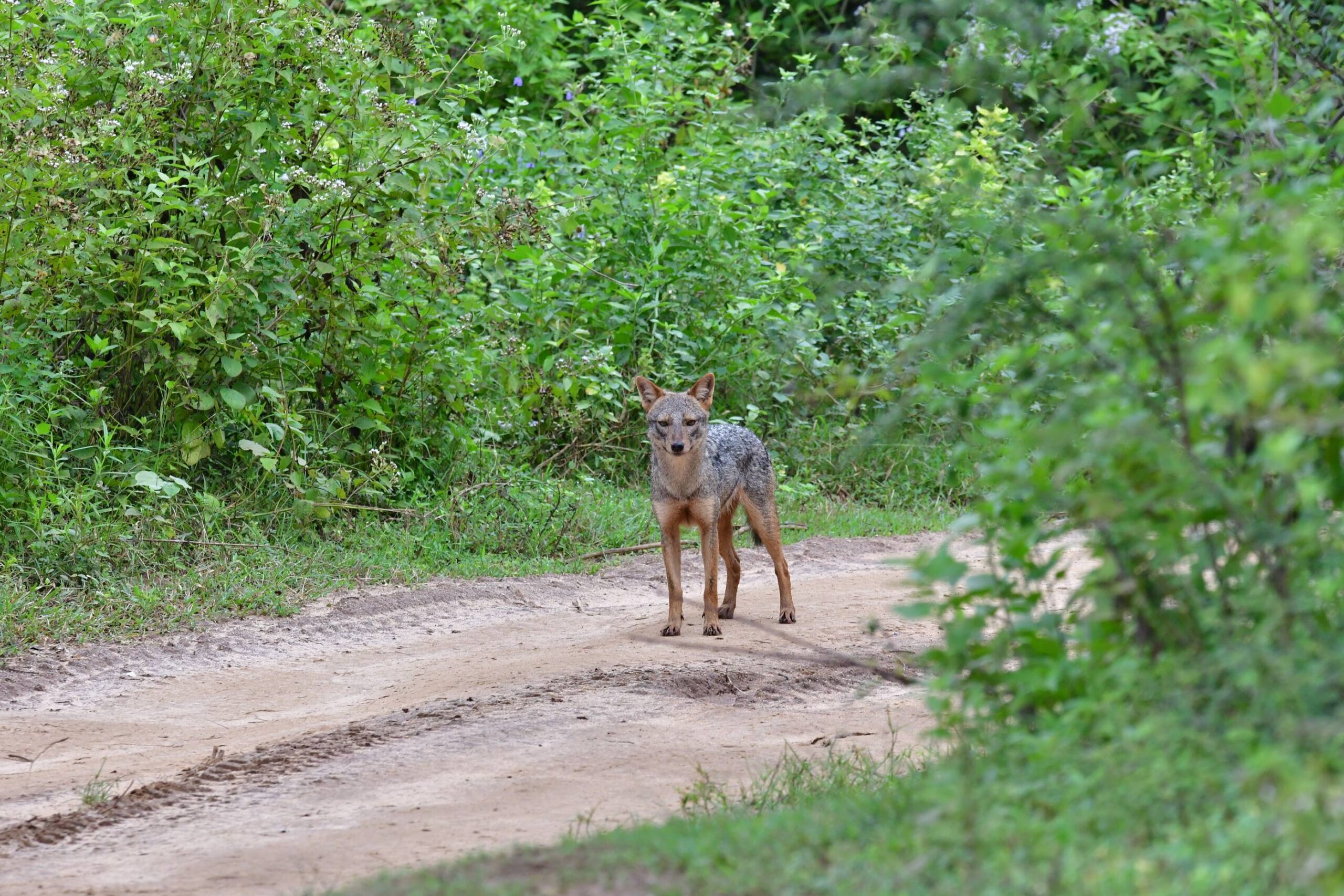
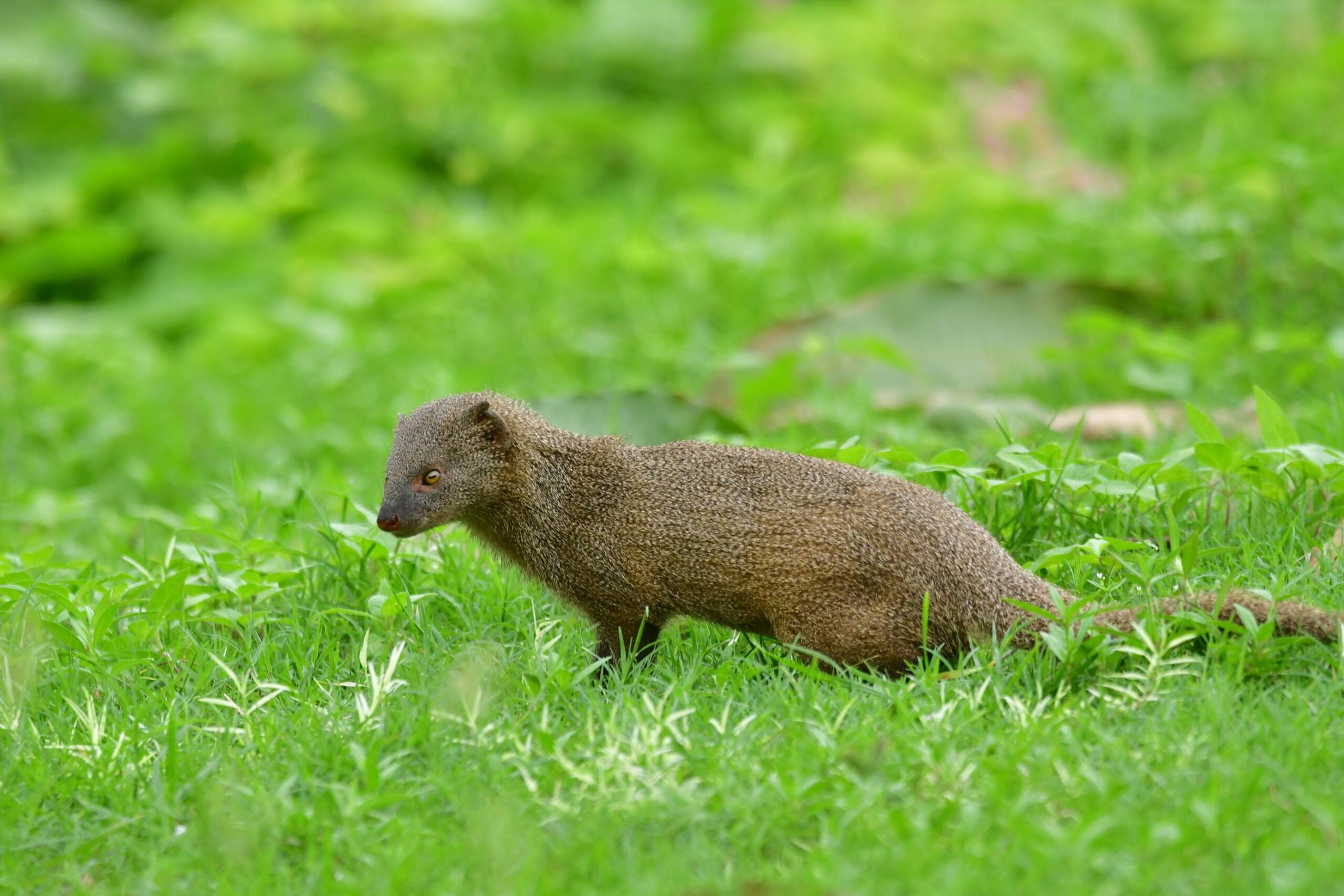
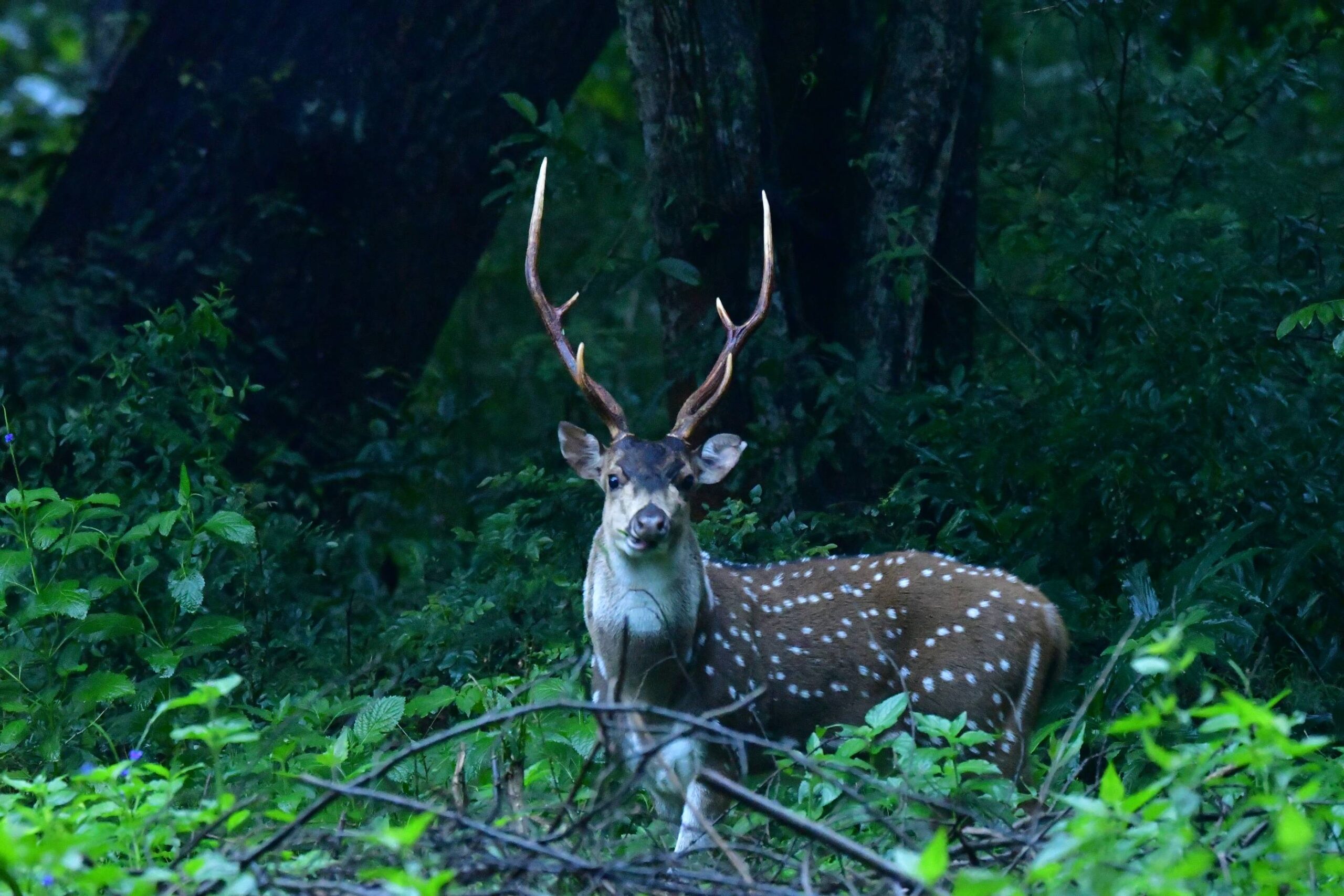
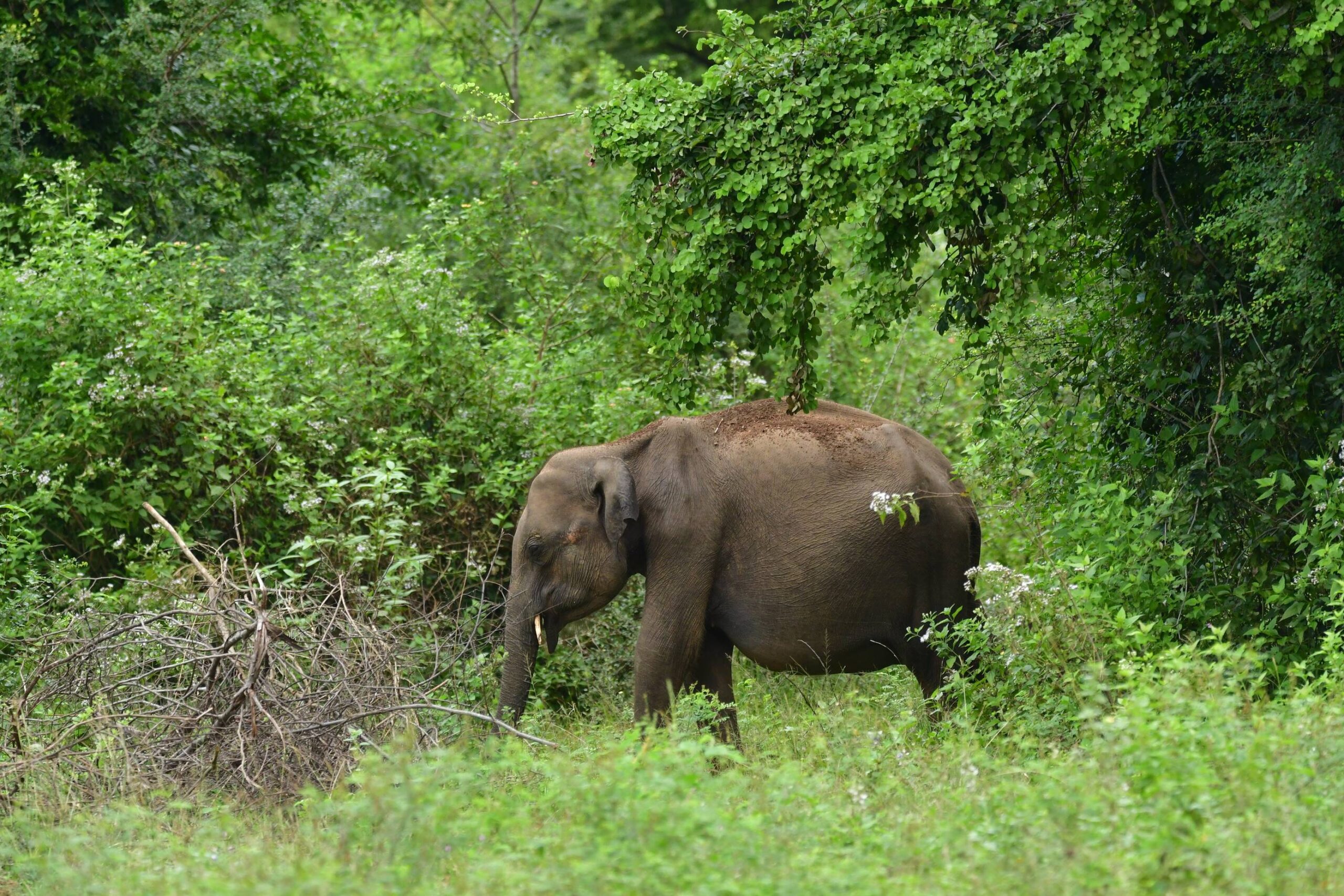
Owls near Tissamaharama – a birding night tour
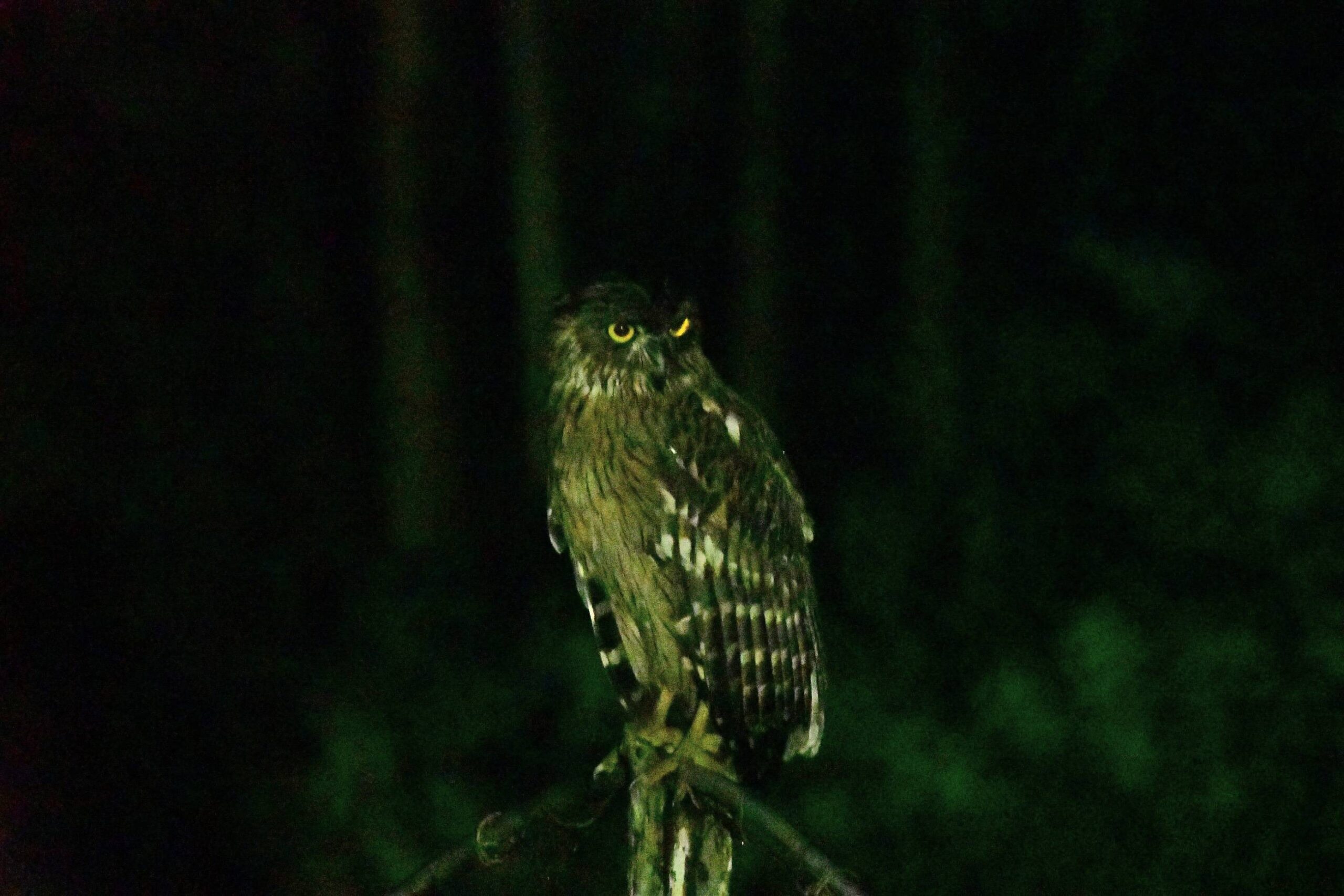
Before our trip, I found contact details for Sadun, a local birdwatcher based near the town of Tissamaharama. He offered to show us the local owl species — particularly those that can be found roosting during the day: Buffy Fish Owl, Brown Fish Owl, Spot-bellied Eagle Owl, and Indian Scops Owl. After dark, we would also visit a spot known for Barn Owls.
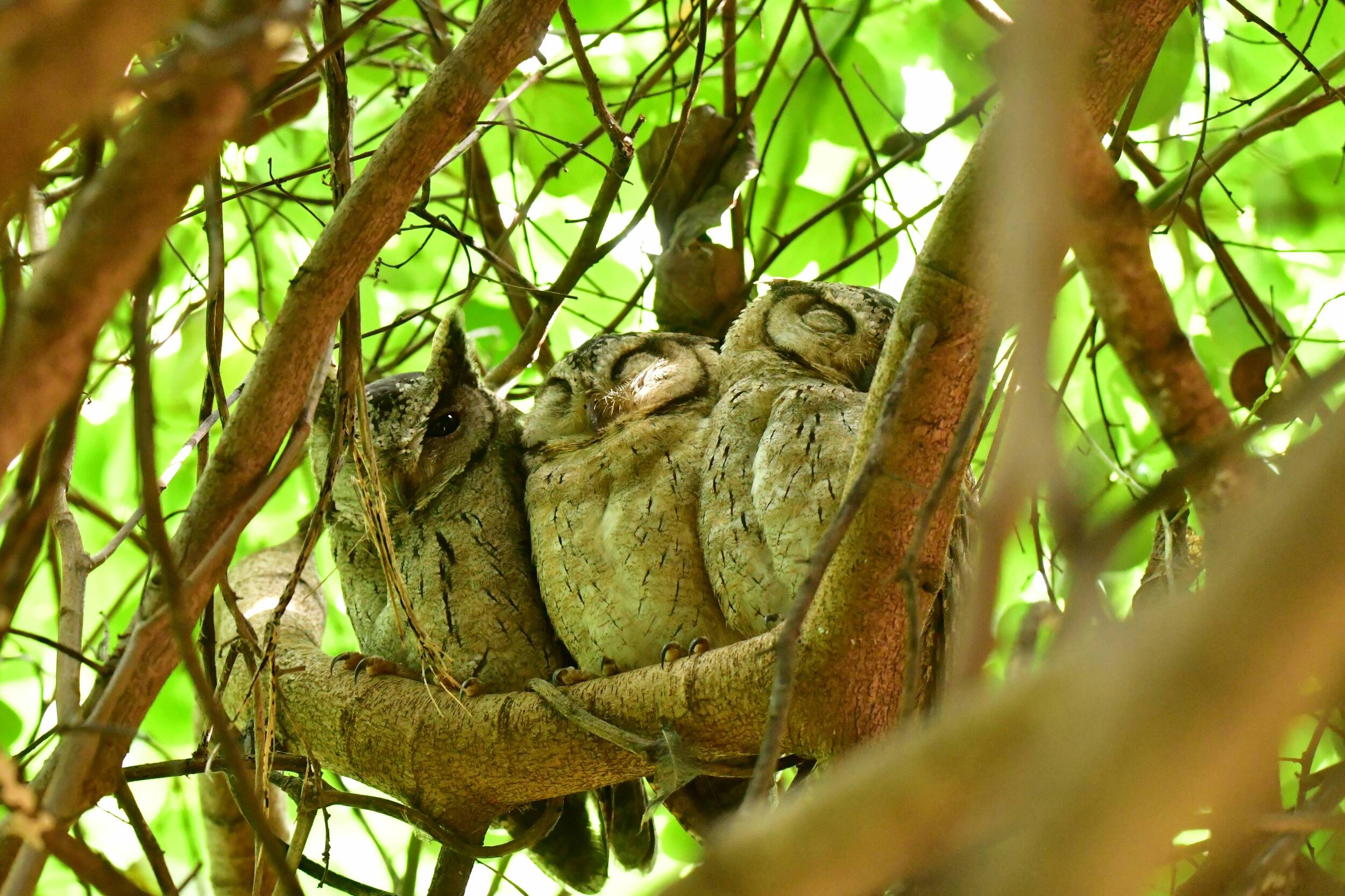
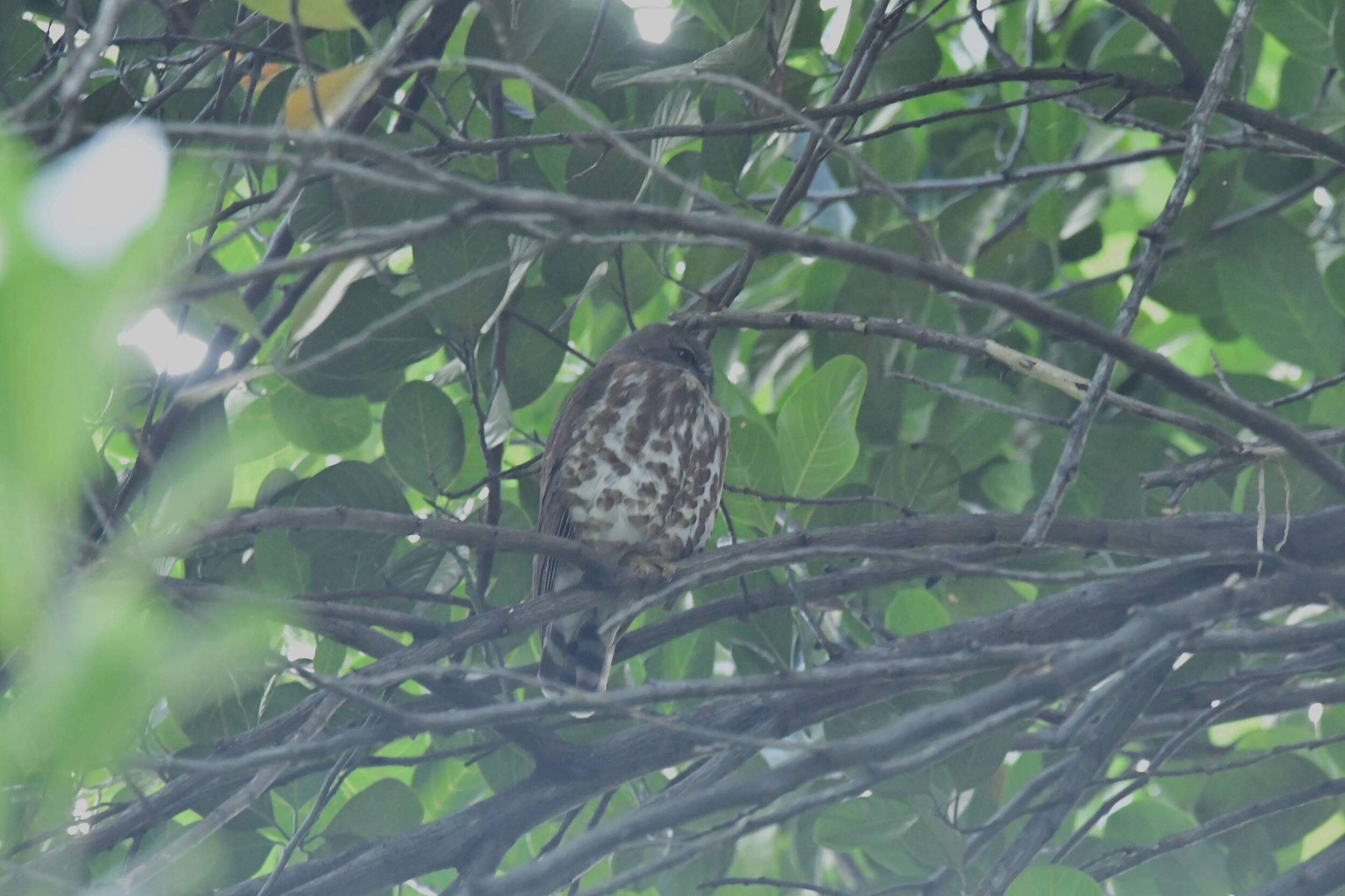
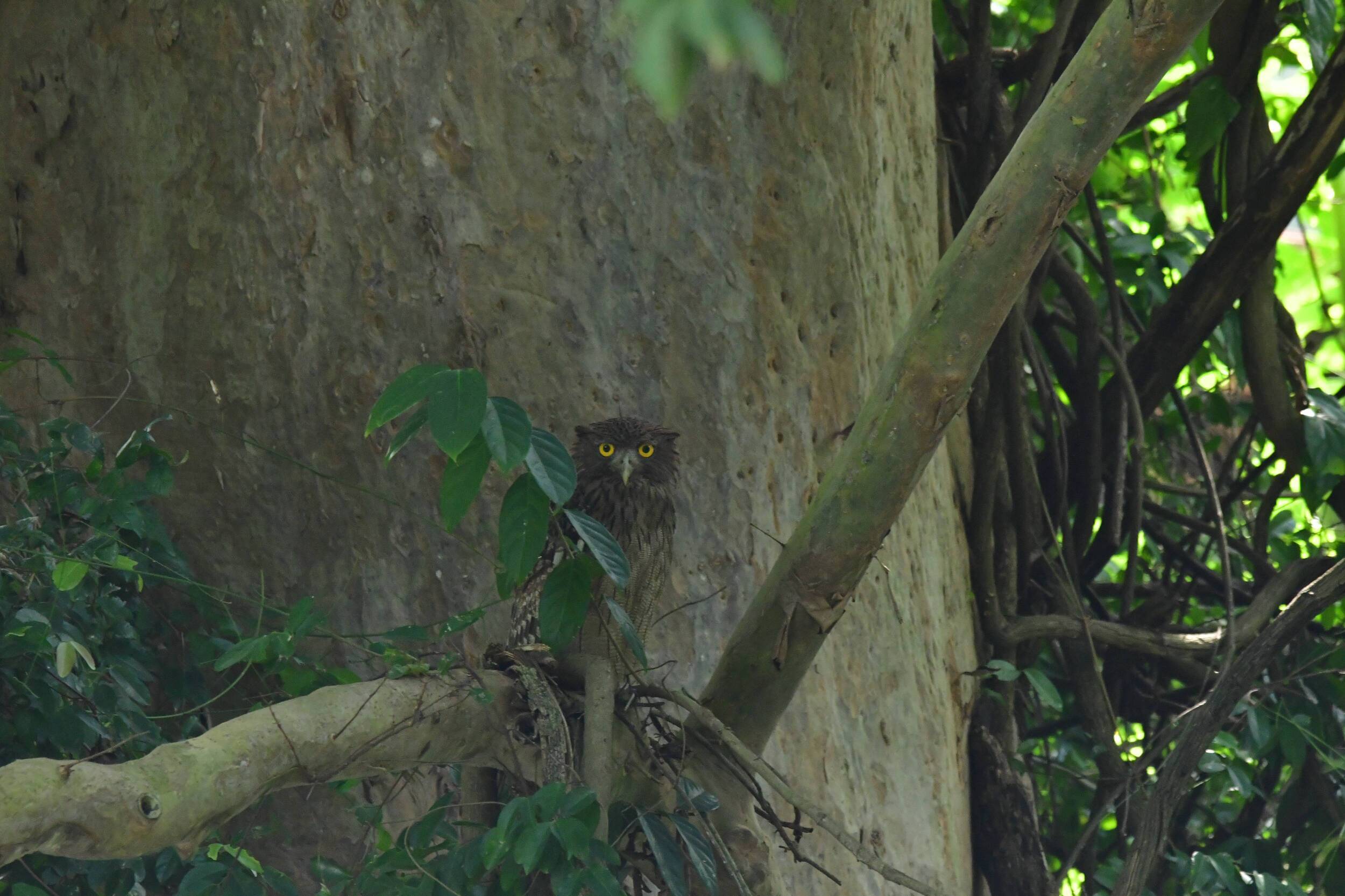
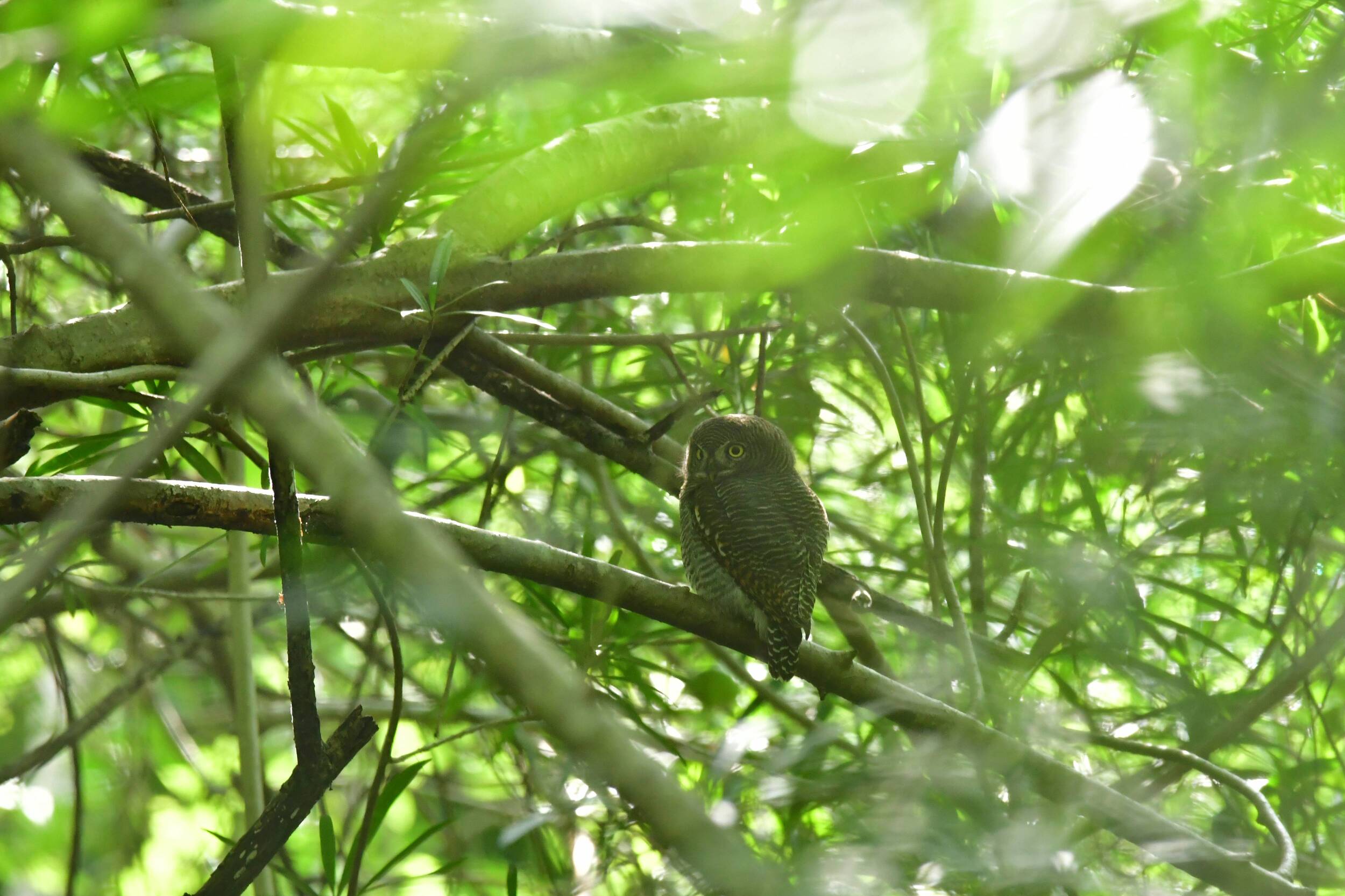
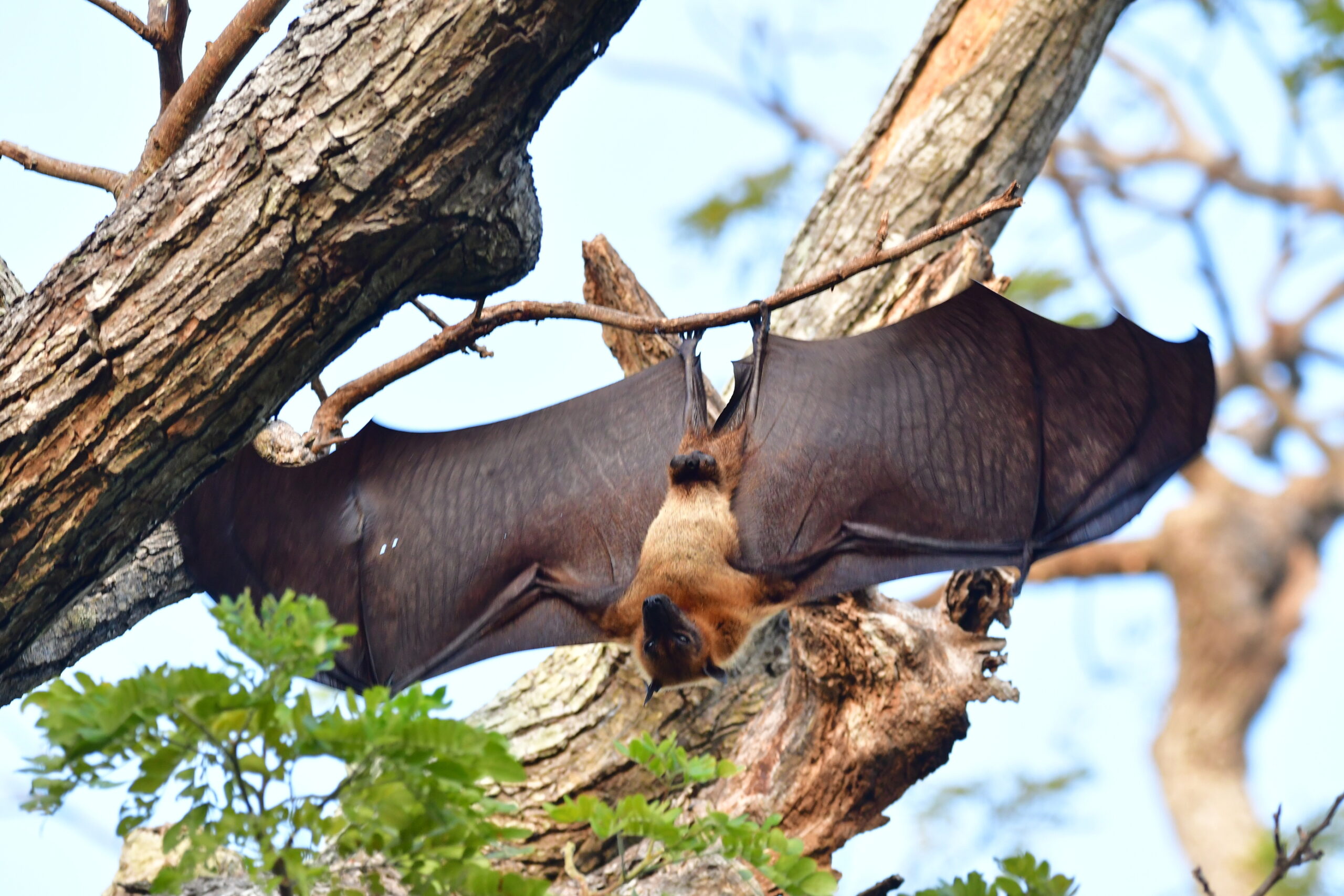
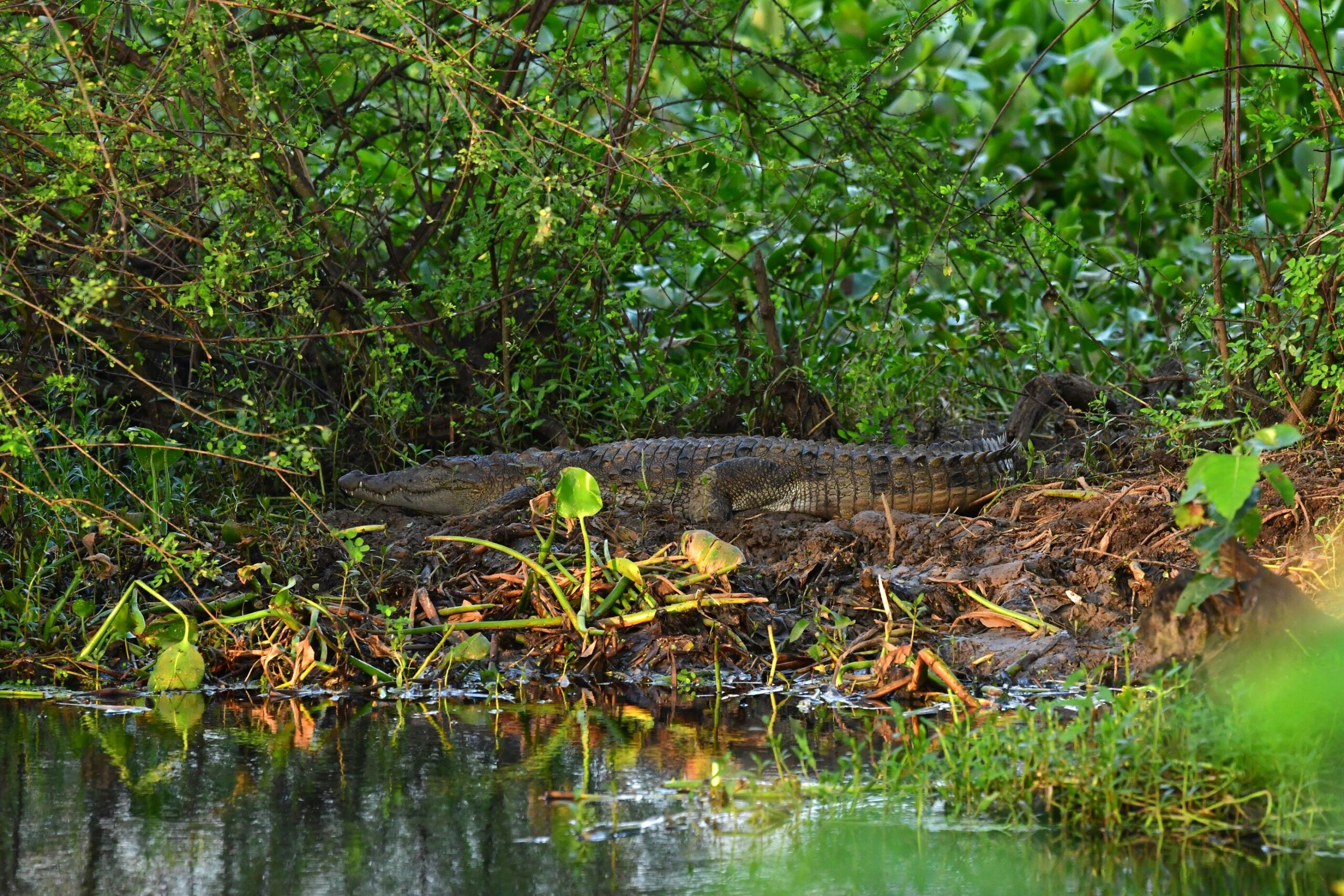
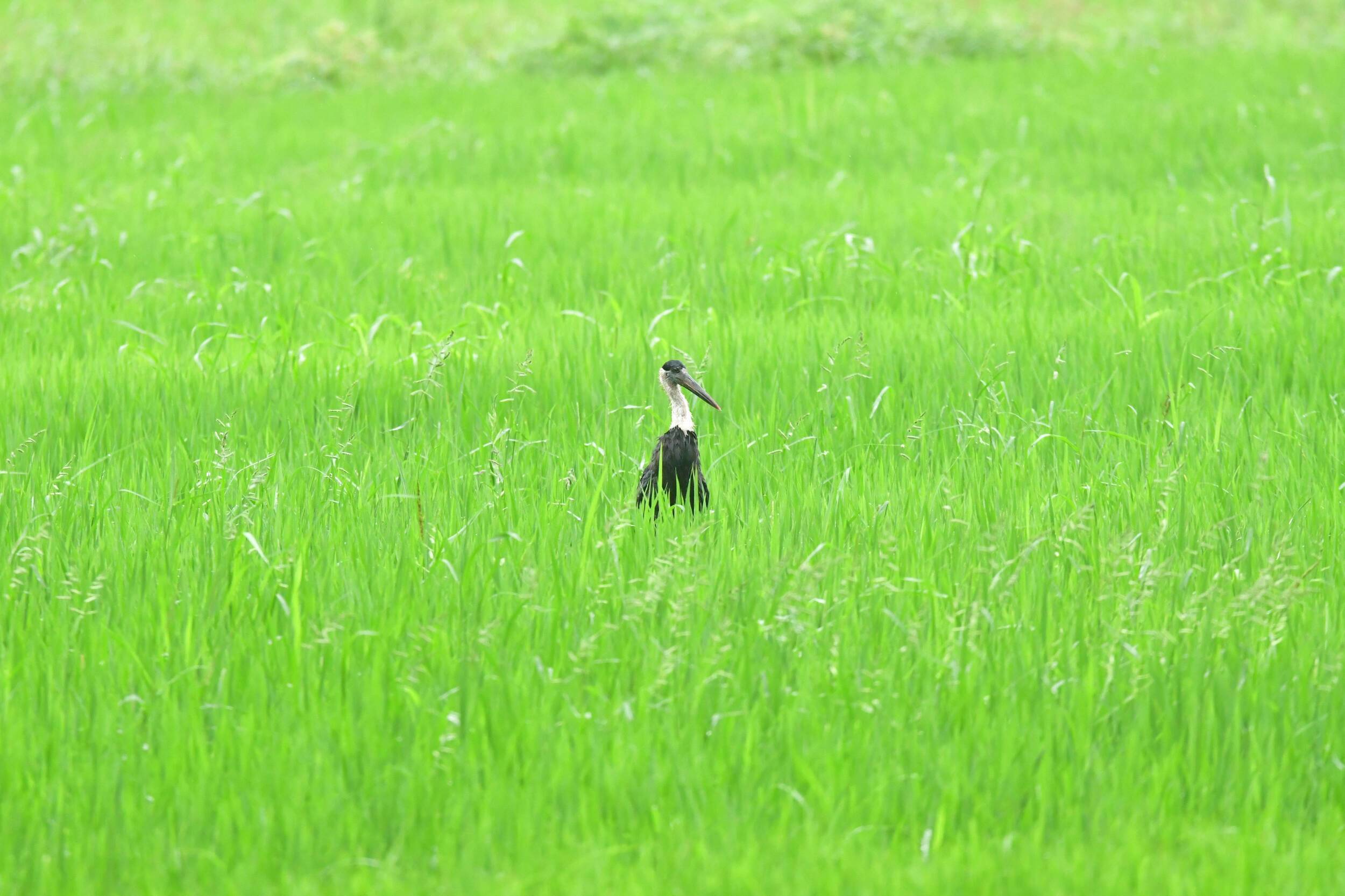
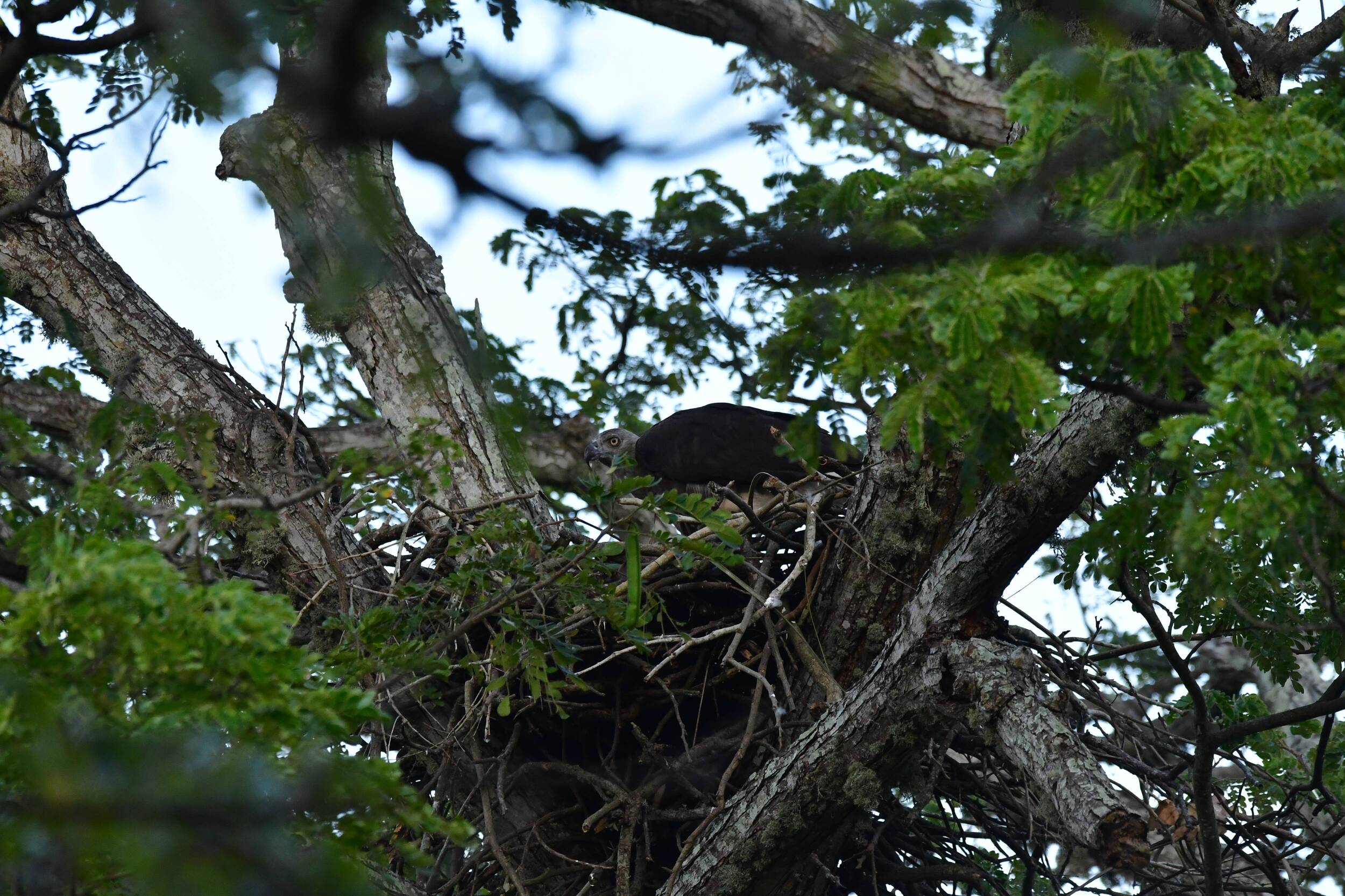
Sadun rode ahead on his scooter, leading our driver through narrow backstreets to locations that no tourist would ever find on their own. We found all four daytime owl species as promised. A lakeside walk afterwards turned up a Ceylon Rufous Babbler — a Ceylon endemic — and a huge colony of Indian Flying Foxes. There were also Mugger Crocodiles, a large roost of Black-crowned Night Herons, a Black Bittern, a Brahminy Kite with a freshly-caught fish, a Black-necked Stork walking through a rice paddy — and just after dusk, two Barn Owls appeared.
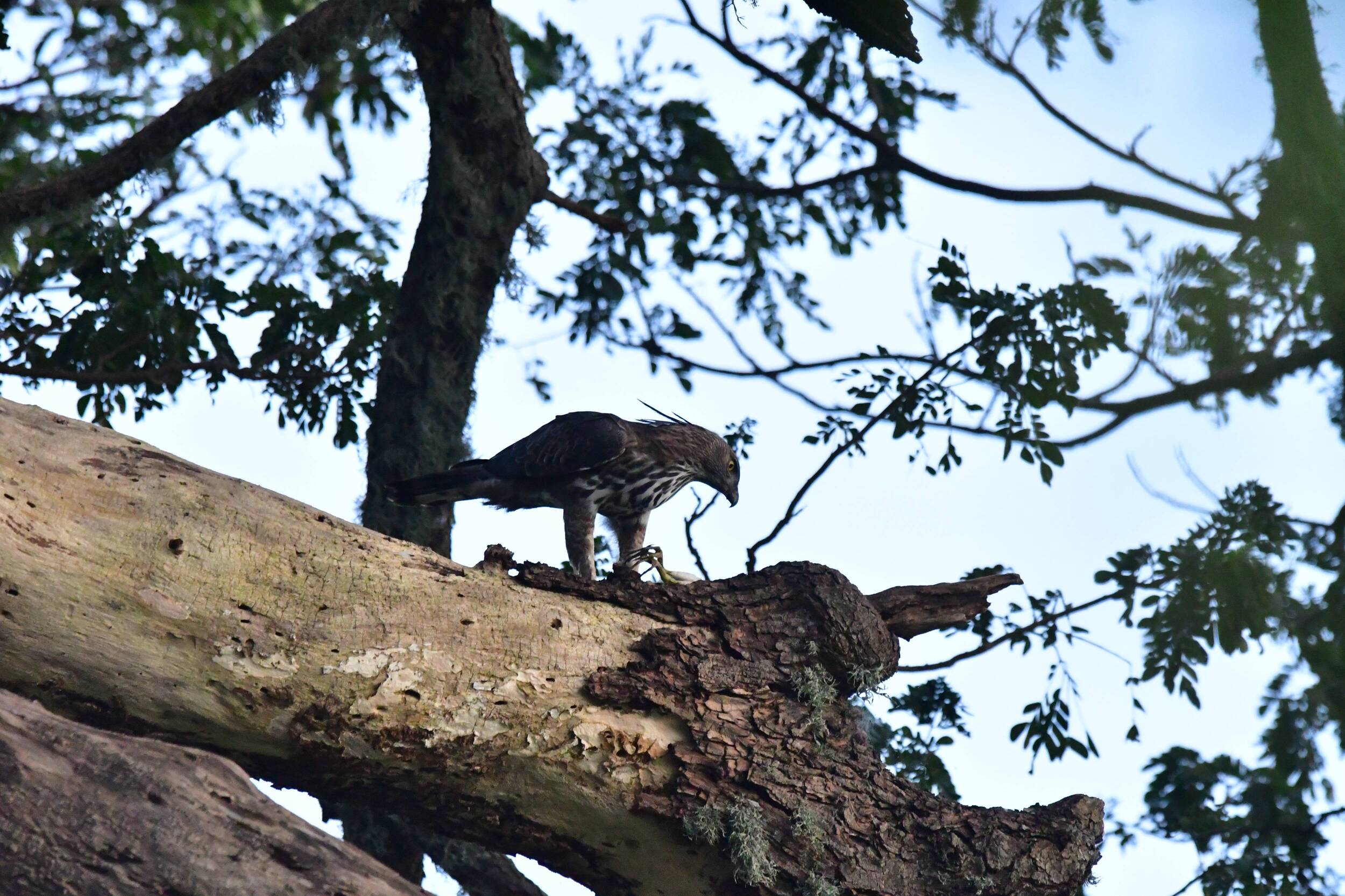
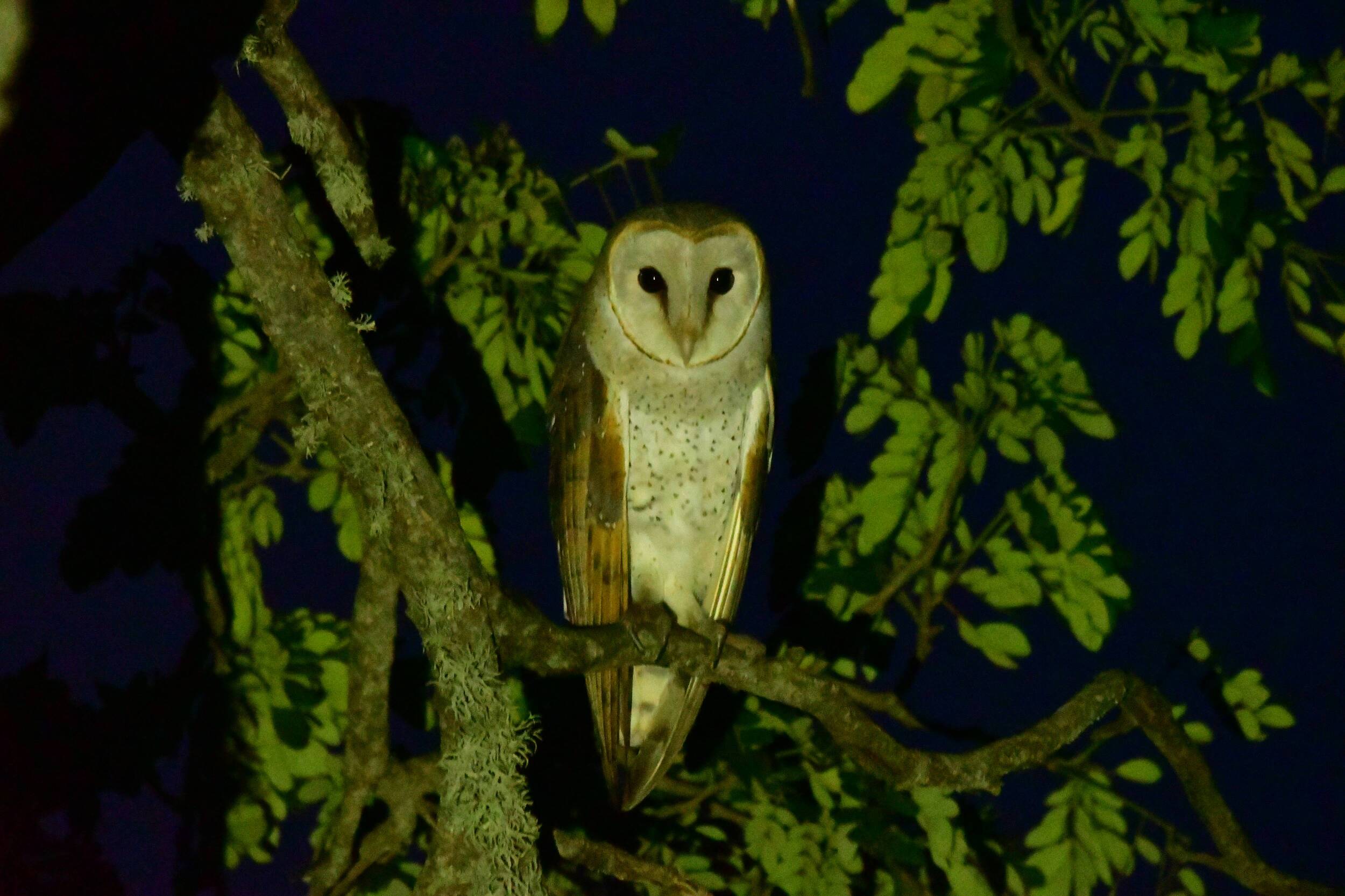
Sinharaja – the inaccessible jungle
After the brilliant time on the south coast, we headed towards the Sinharaja jungle. The plan was to arrive early enough for an afternoon walk near our accommodation, then join a guide early the next morning for the national park. Unfortunately, the road to our lodge took around five hours despite covering only a few dozen kilometres — we crawled along narrow, broken mountain tracks. The views were spectacular, but mostly obscured by rain.
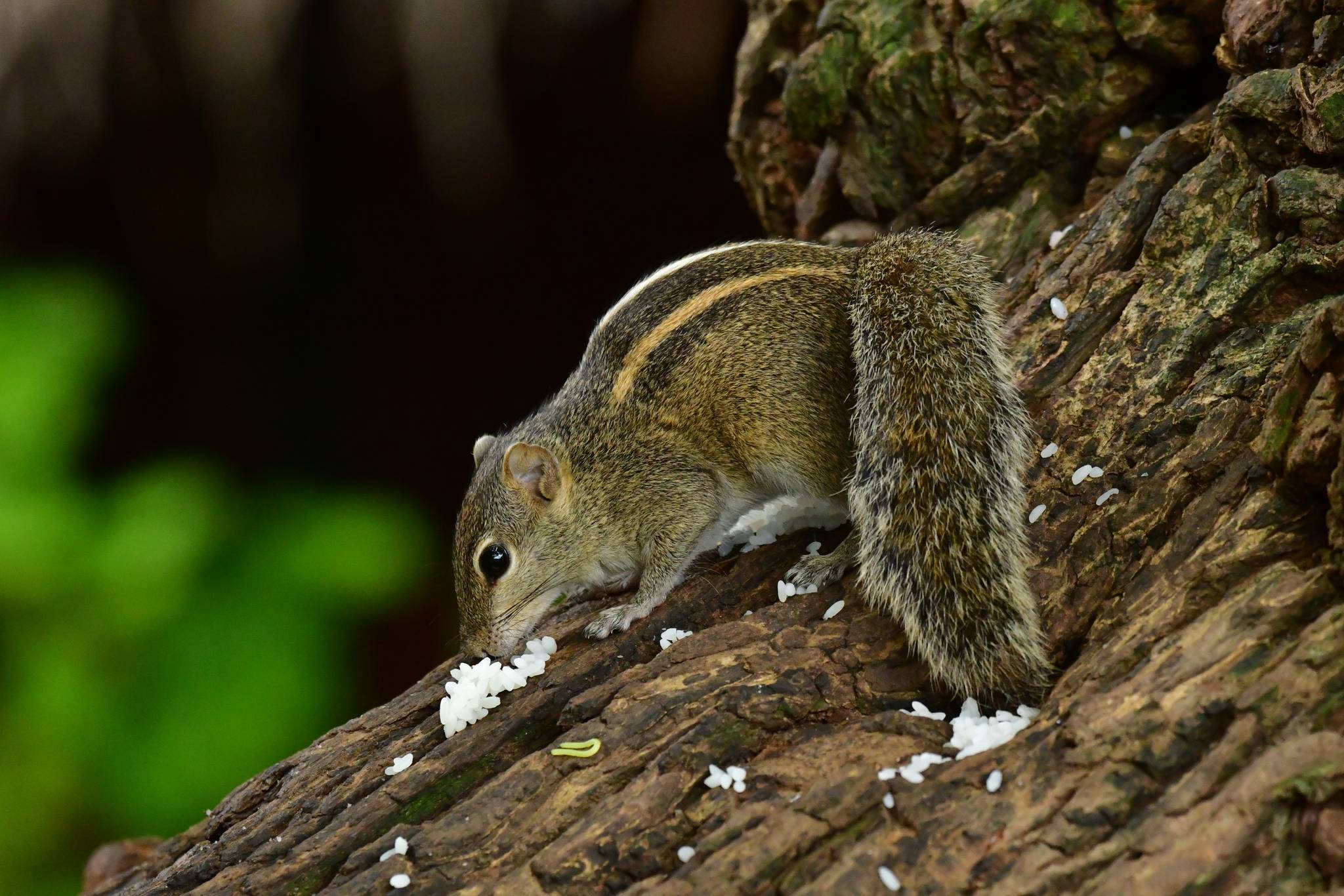
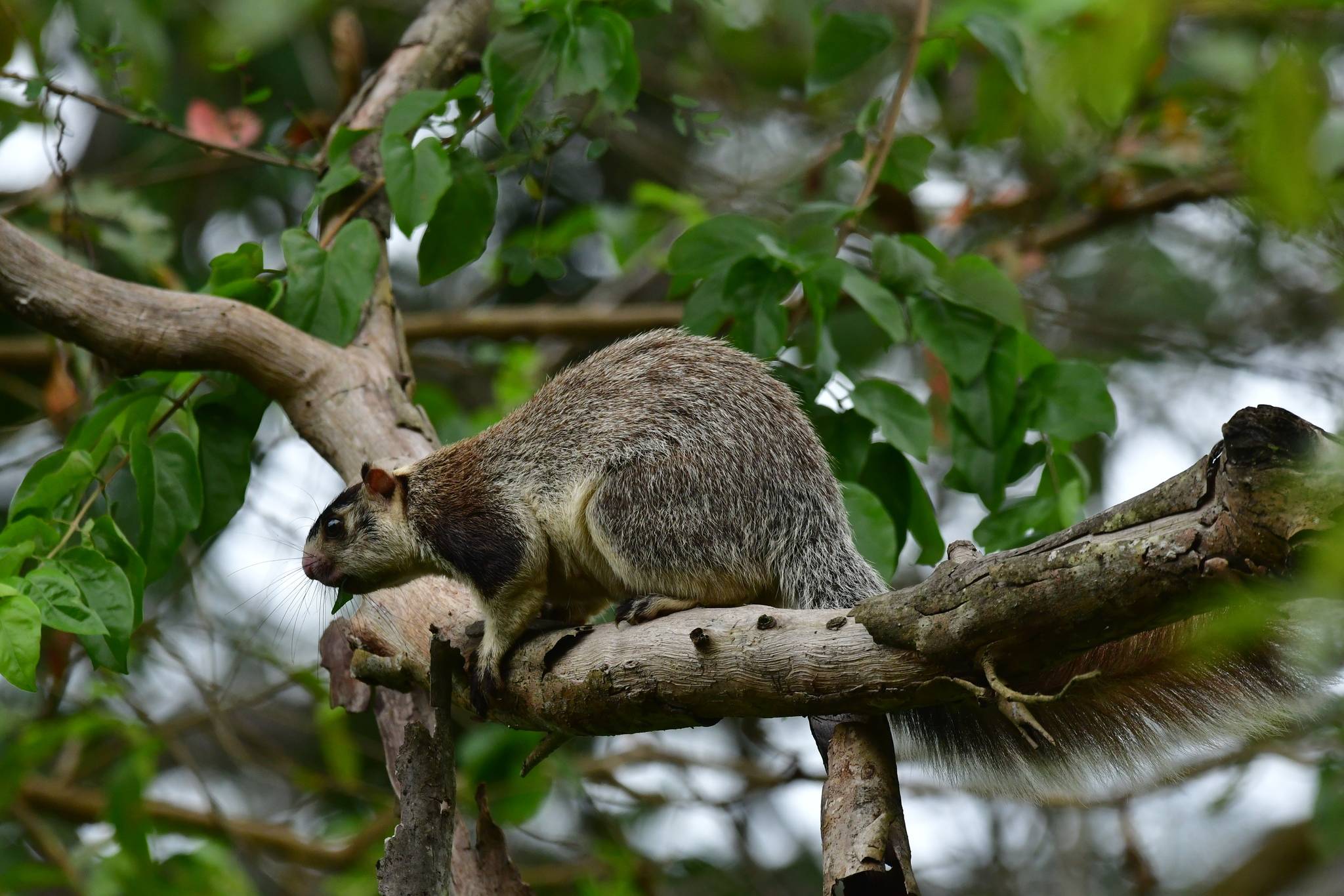
Our tiny jungle lodge sat at the edge of the rainforest, and even the downpour could not stop us from spotting a few species from the terrace: Vernal Hanging Parrot (an iconic Sri Lanka bird!), Grey-headed Canary Flycatcher, Malabar Trogon, Sri Lanka Grey Hornbill, and the endemic Yellow-fronted Barbet.
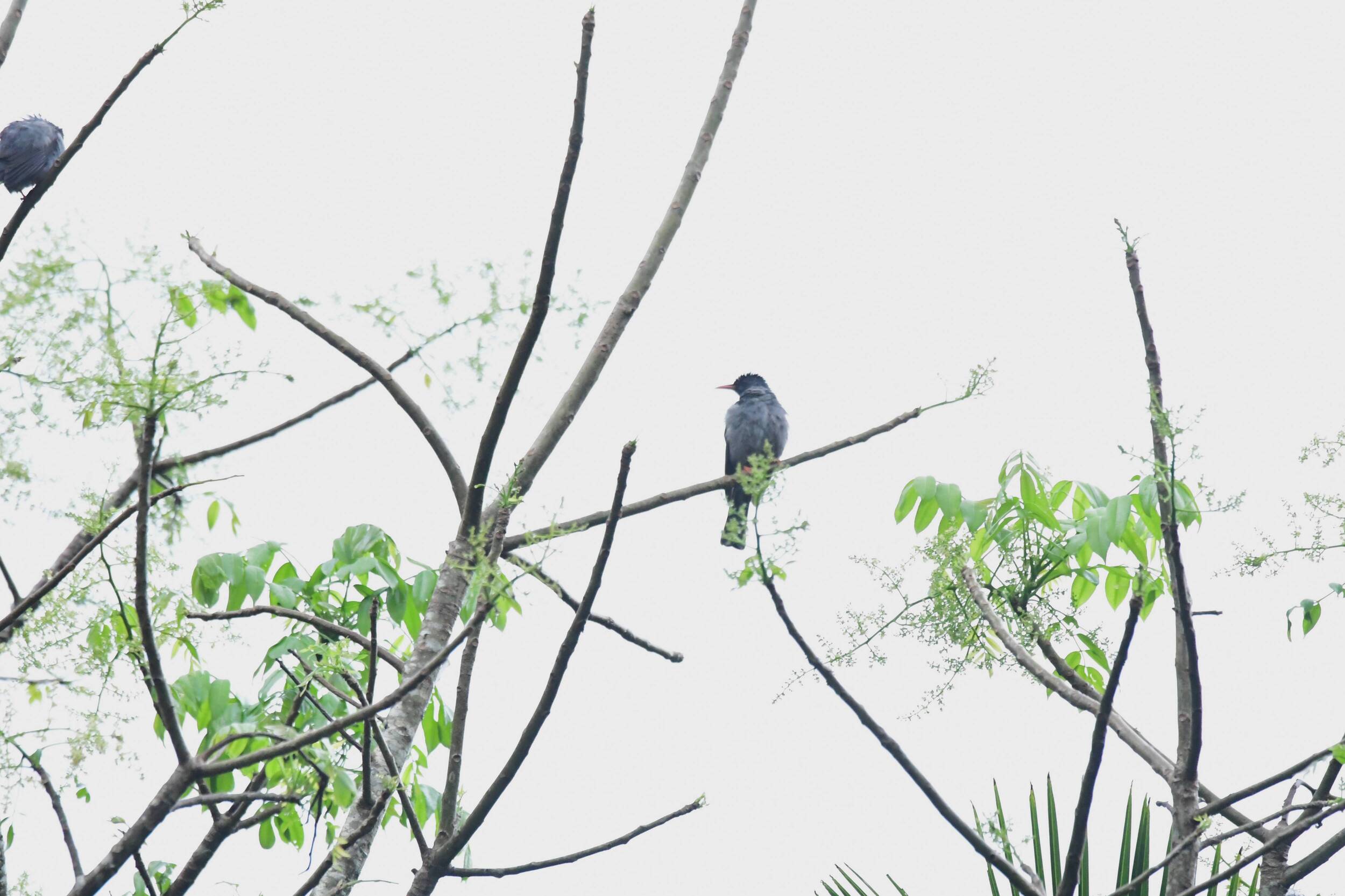
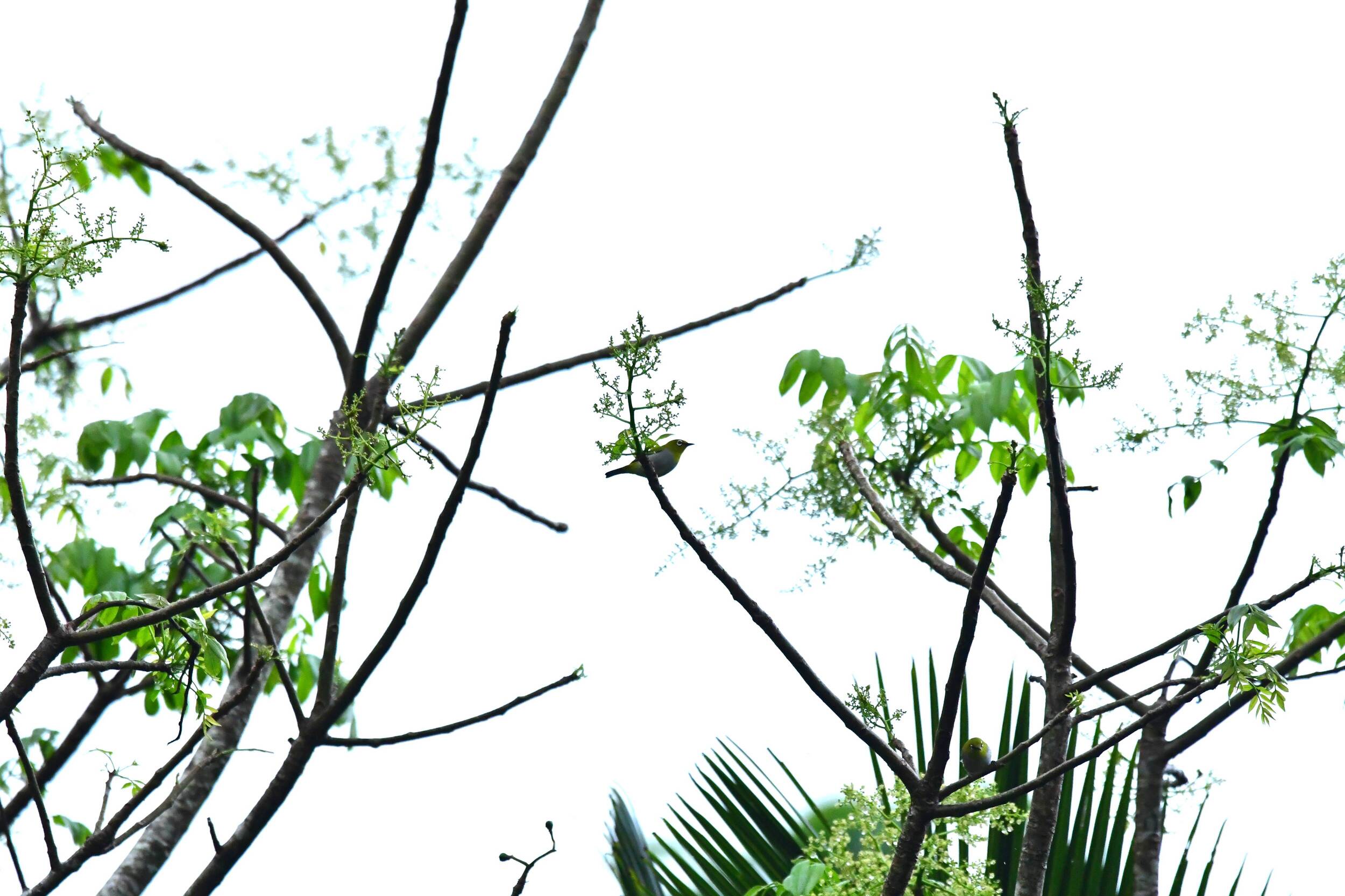

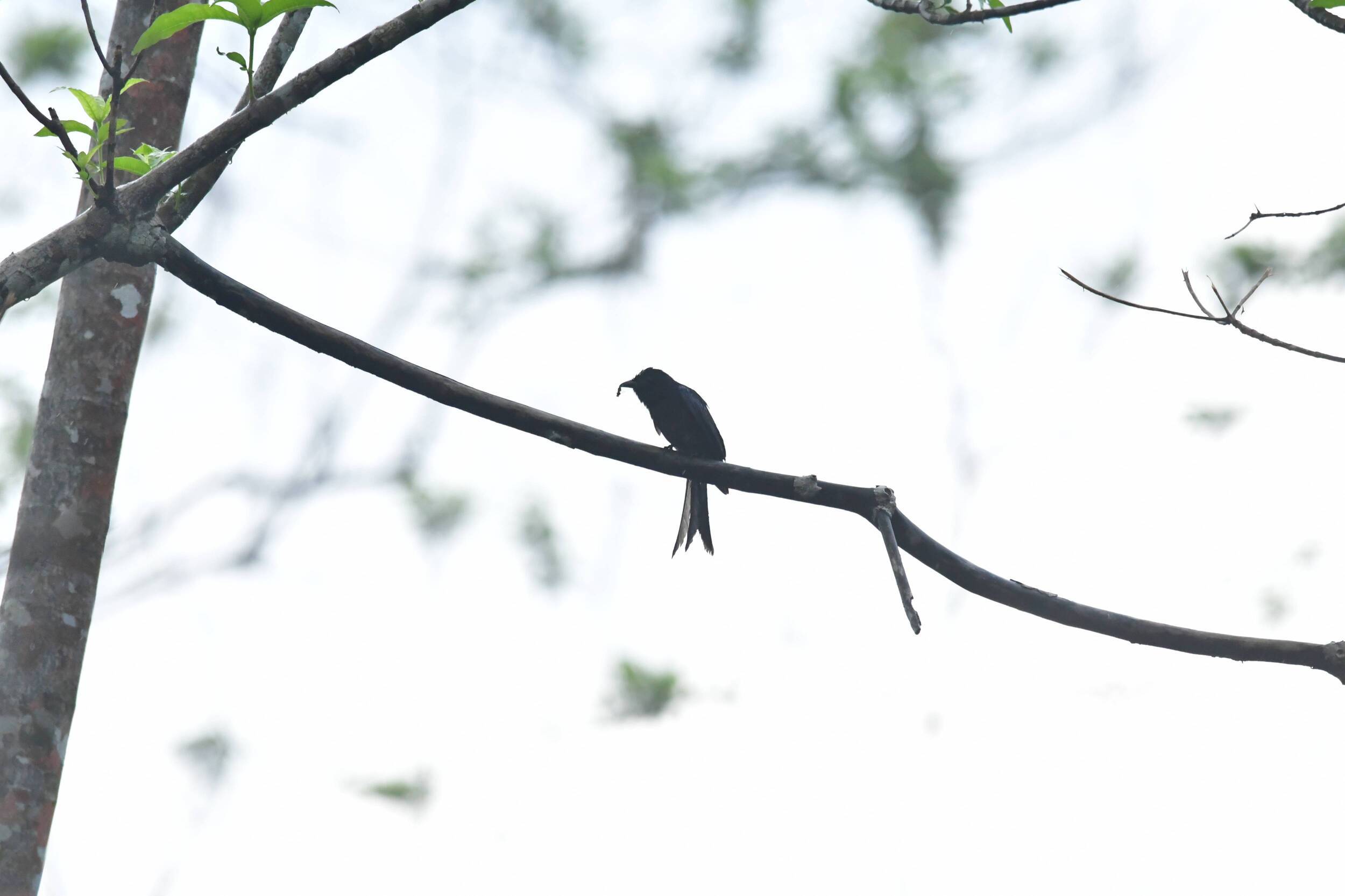
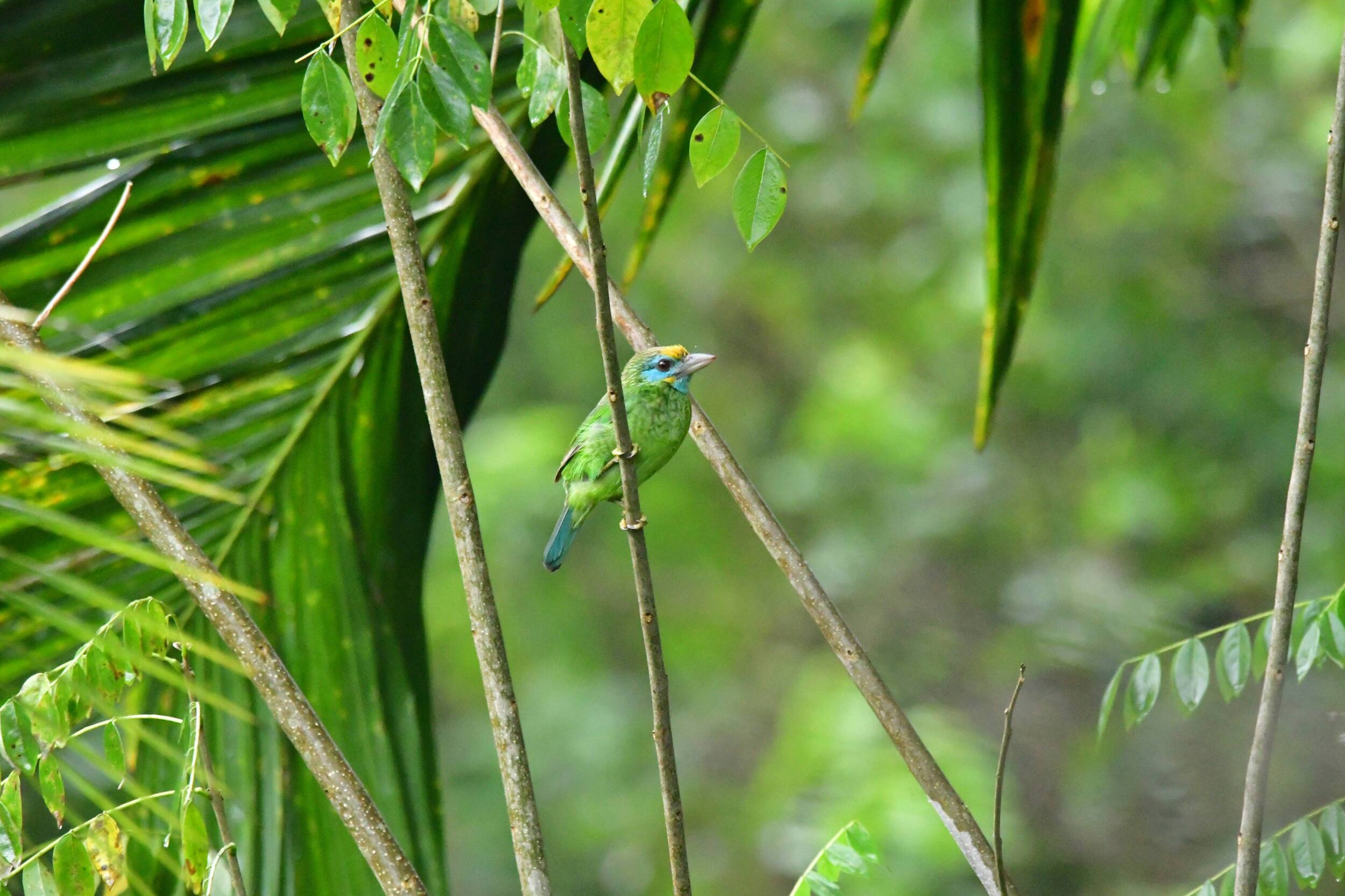
The next morning brought our biggest disappointment of the trip: the rain had only intensified overnight, making a jungle hike unsafe and pointless. We made the difficult decision to skip Sinharaja — meaning the place that was supposed to harbour the most endemic species of Ceylon remains a mystery to me. A very good reason to return.
Sigiriya and Lion Rock – birds at the fortress
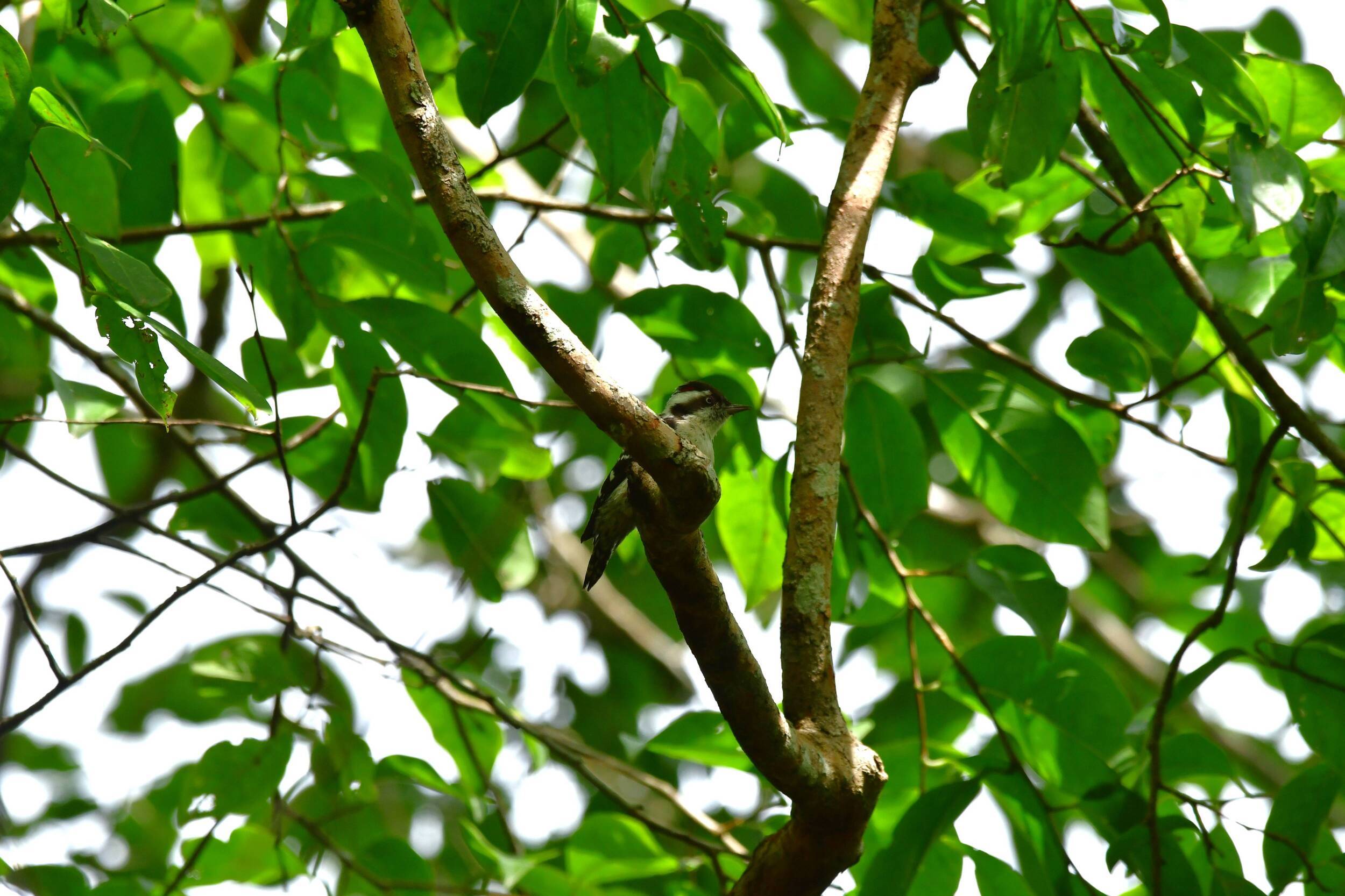
We pushed on to Sigiriya in the centre of the island. The weather finally cleared the next morning, giving me a chance for an early walk before my wife woke up. I circled a few rice paddies — where I found only species already on my list — but the forest strip between our guesthouse and the Sigiriya complex turned up several secretive but exciting birds new for my life list.
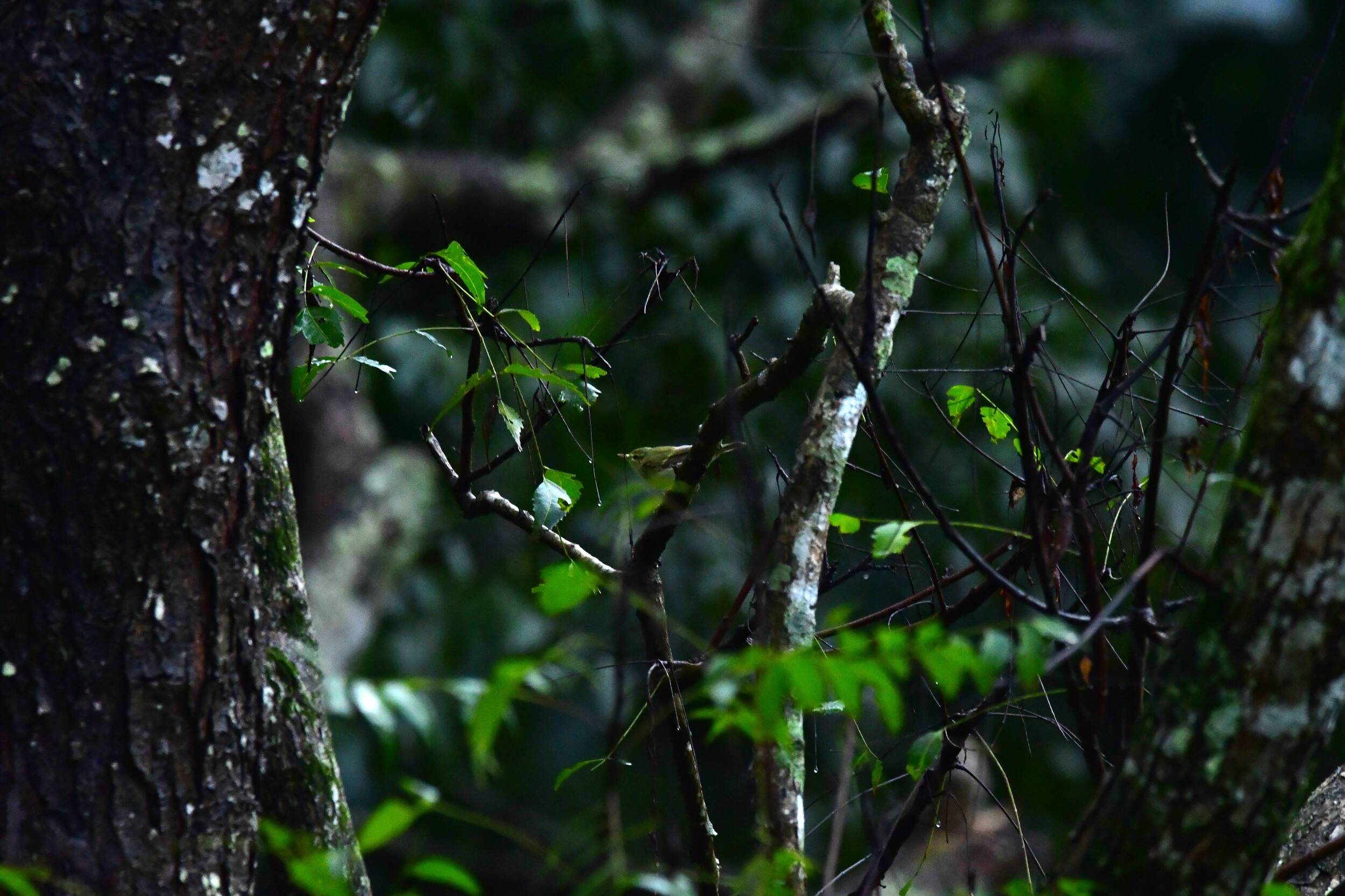
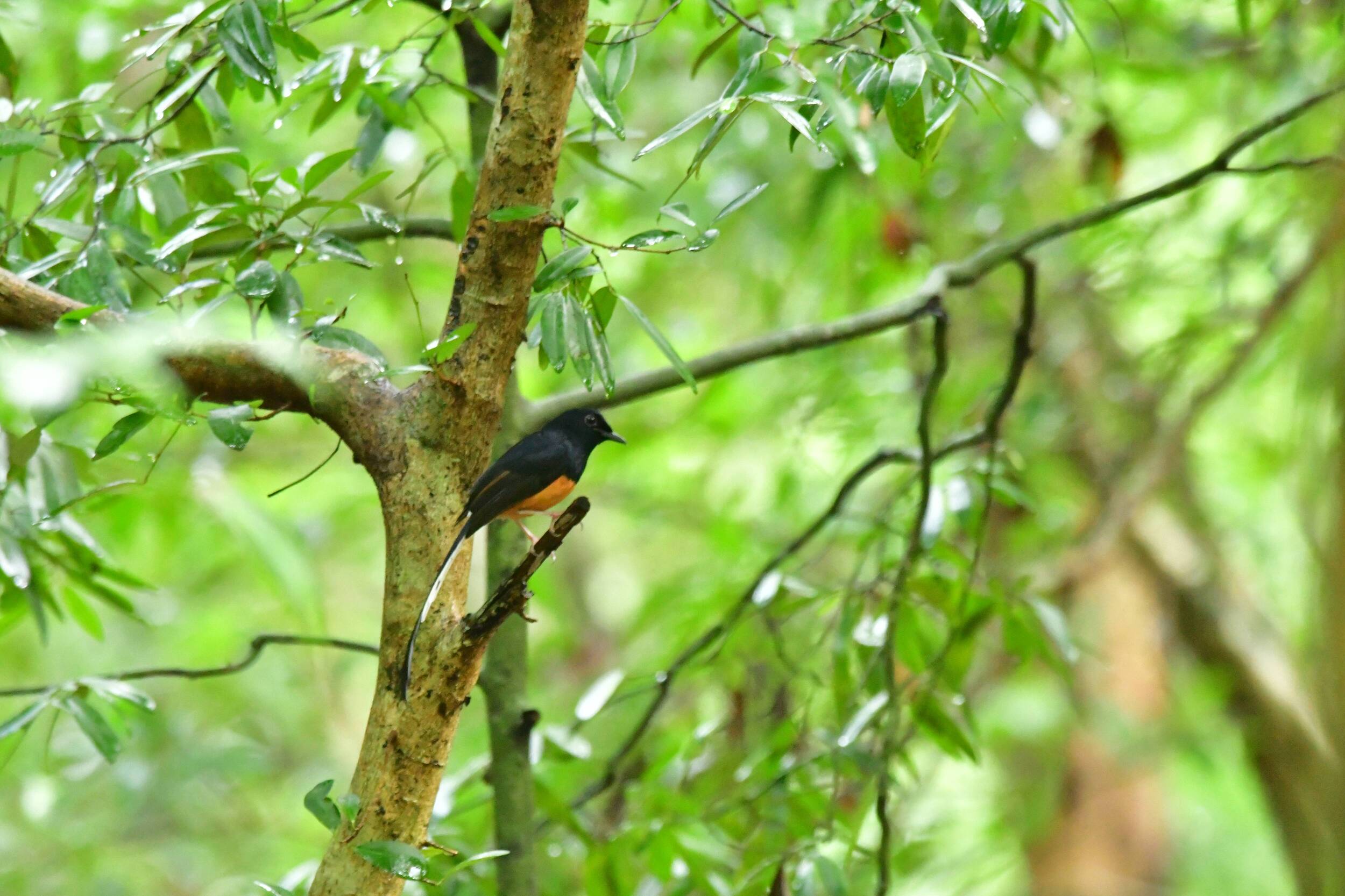
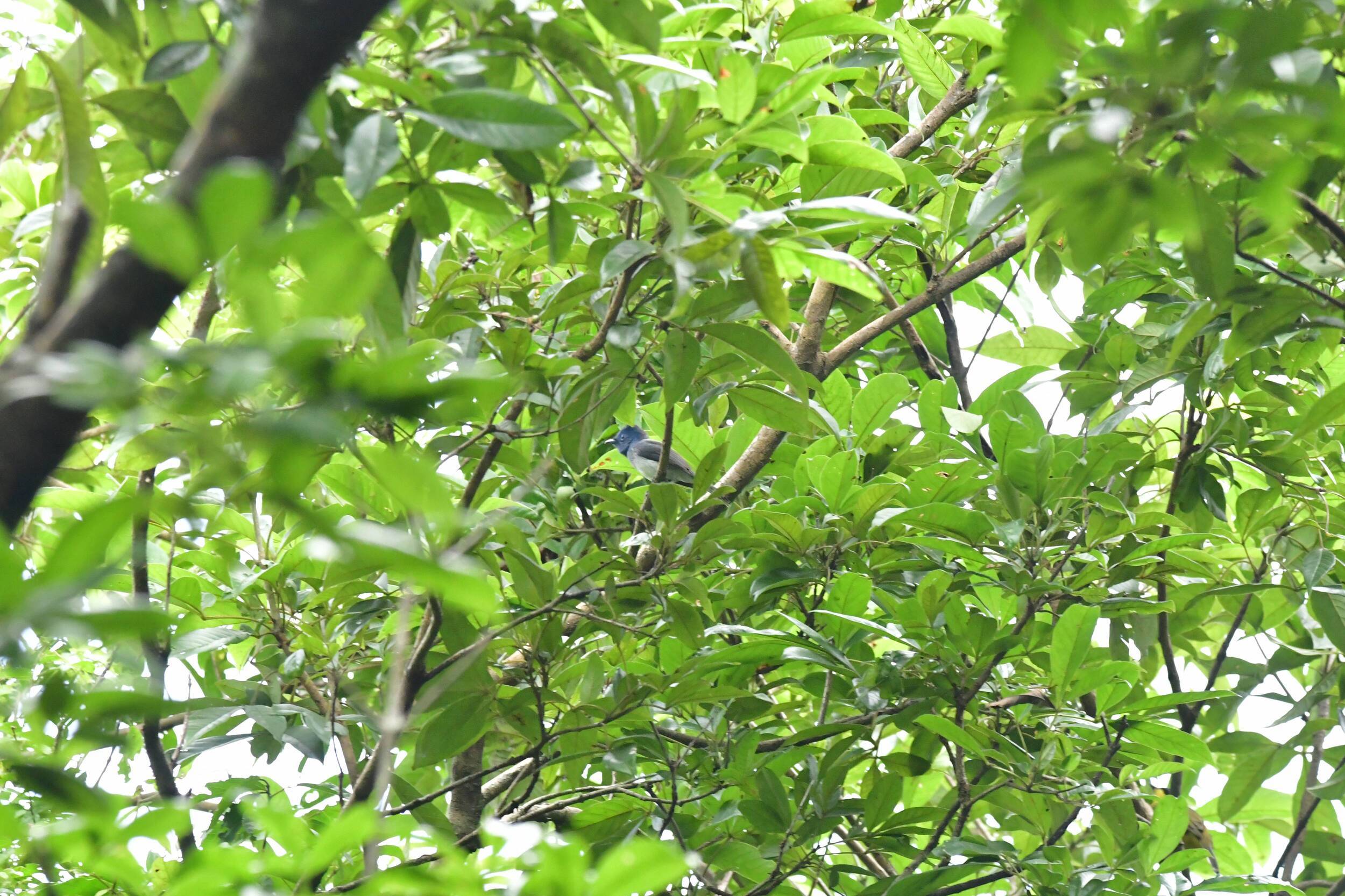
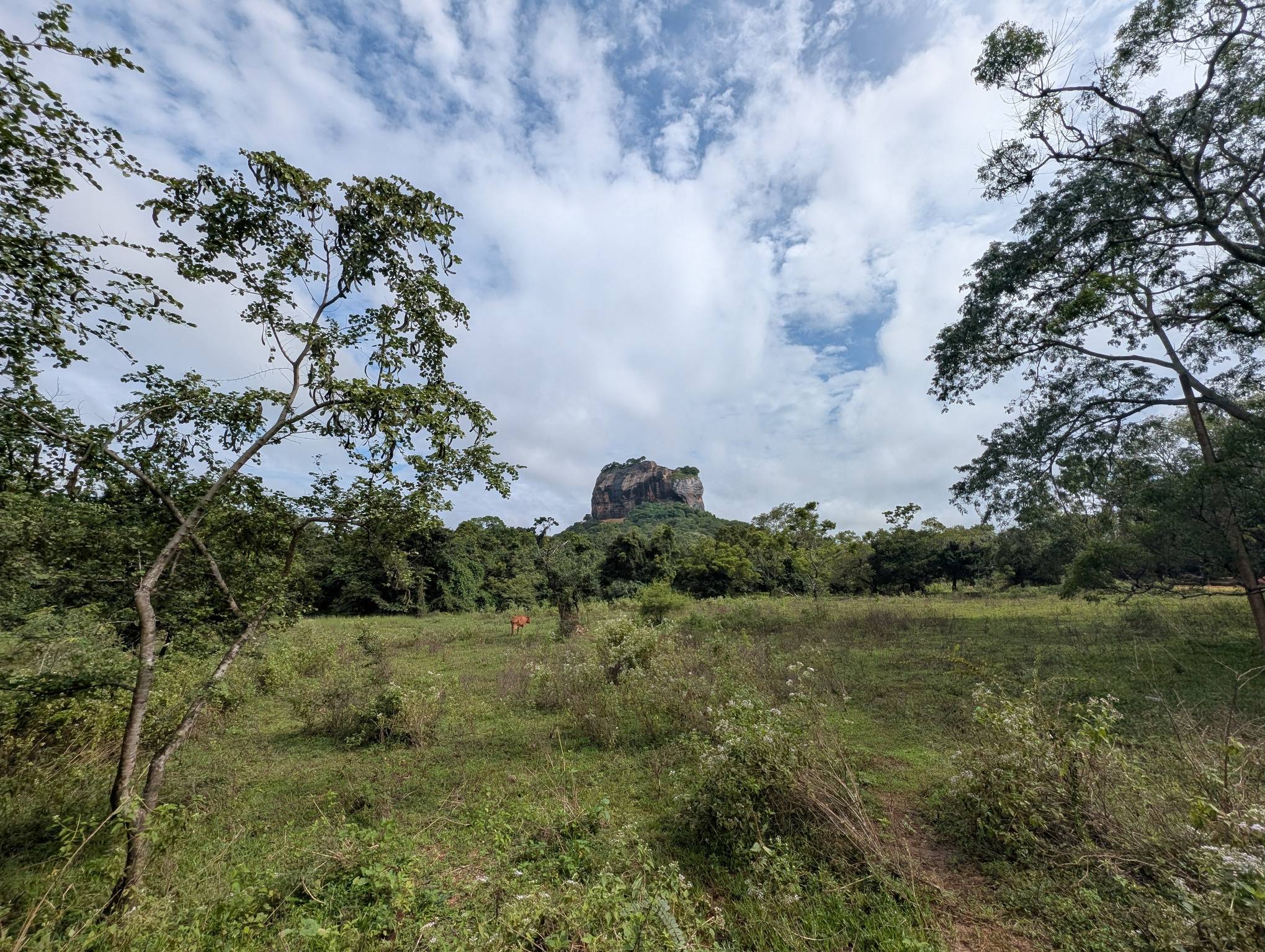
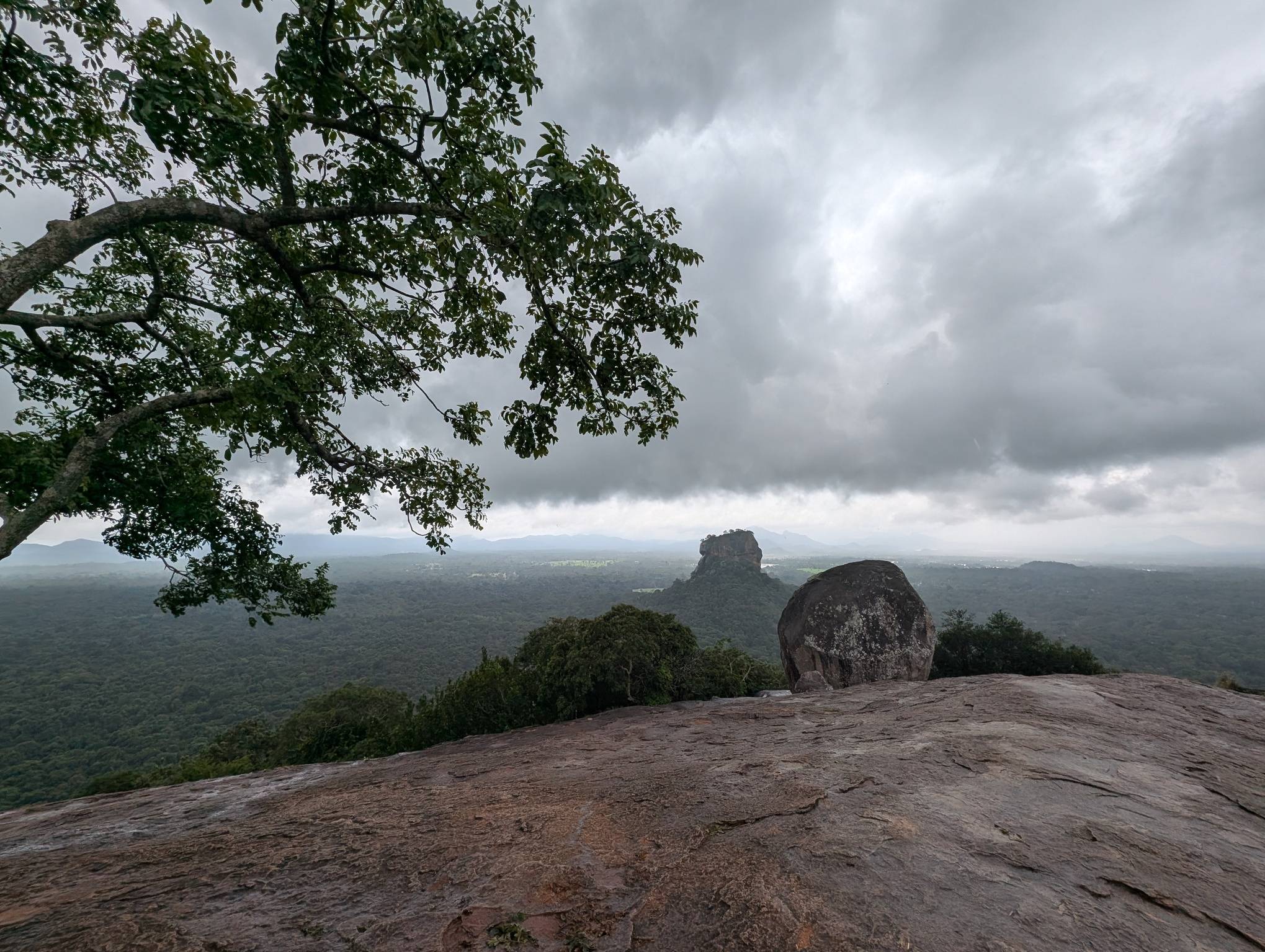
After breakfast, we headed to Sigiriya Rock itself. The queues at the ticket office were so long that we instead decided to visit the nearby Pidurangala Rock — a lesser-known alternative offering a stunning view of the Lion Rock from above, at a fraction of the price and without the crowds. The view from the top is magnificent: flat jungle stretching to every horizon, and the enormous Sigiriya Rock rising above it all.
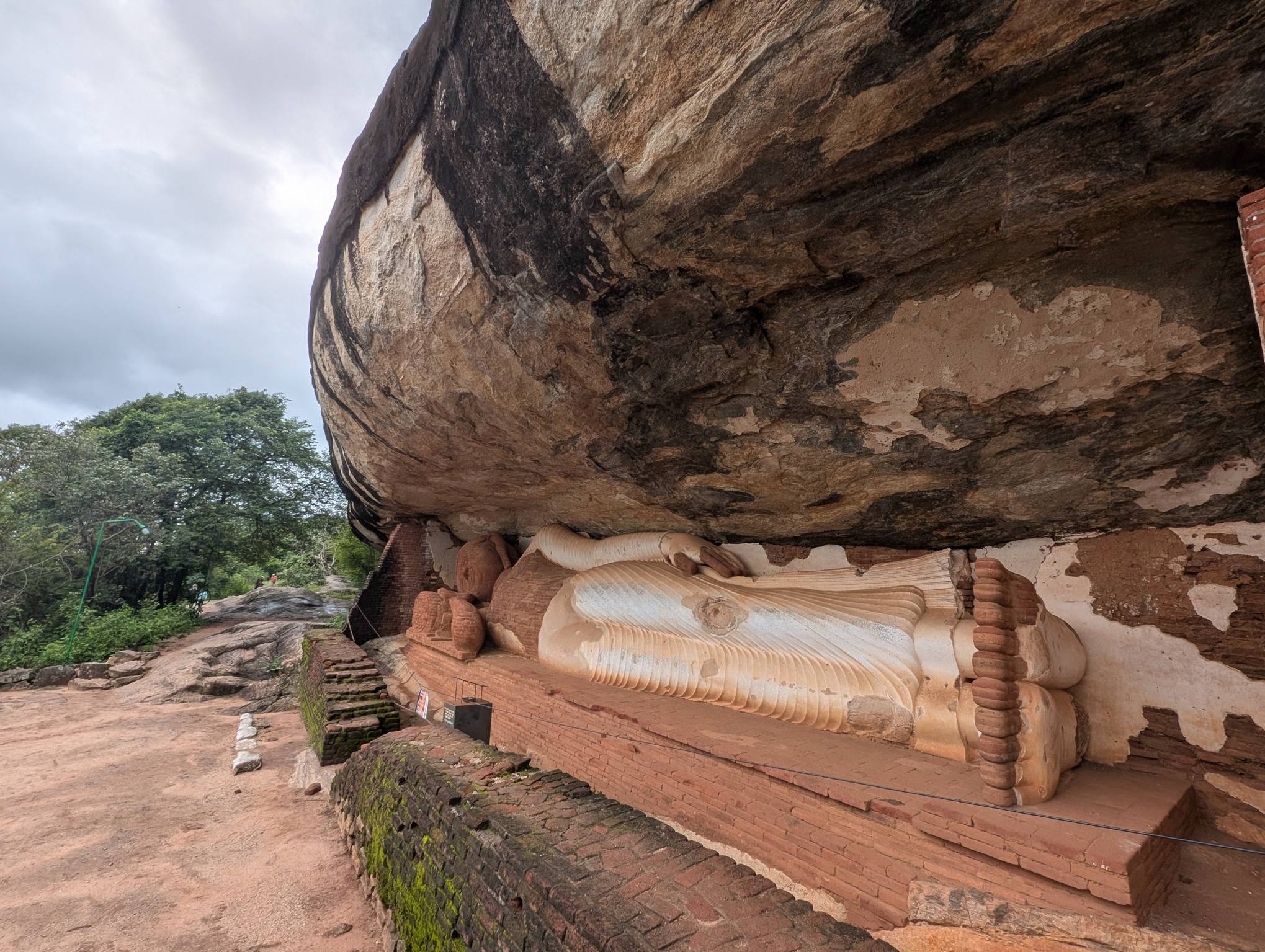
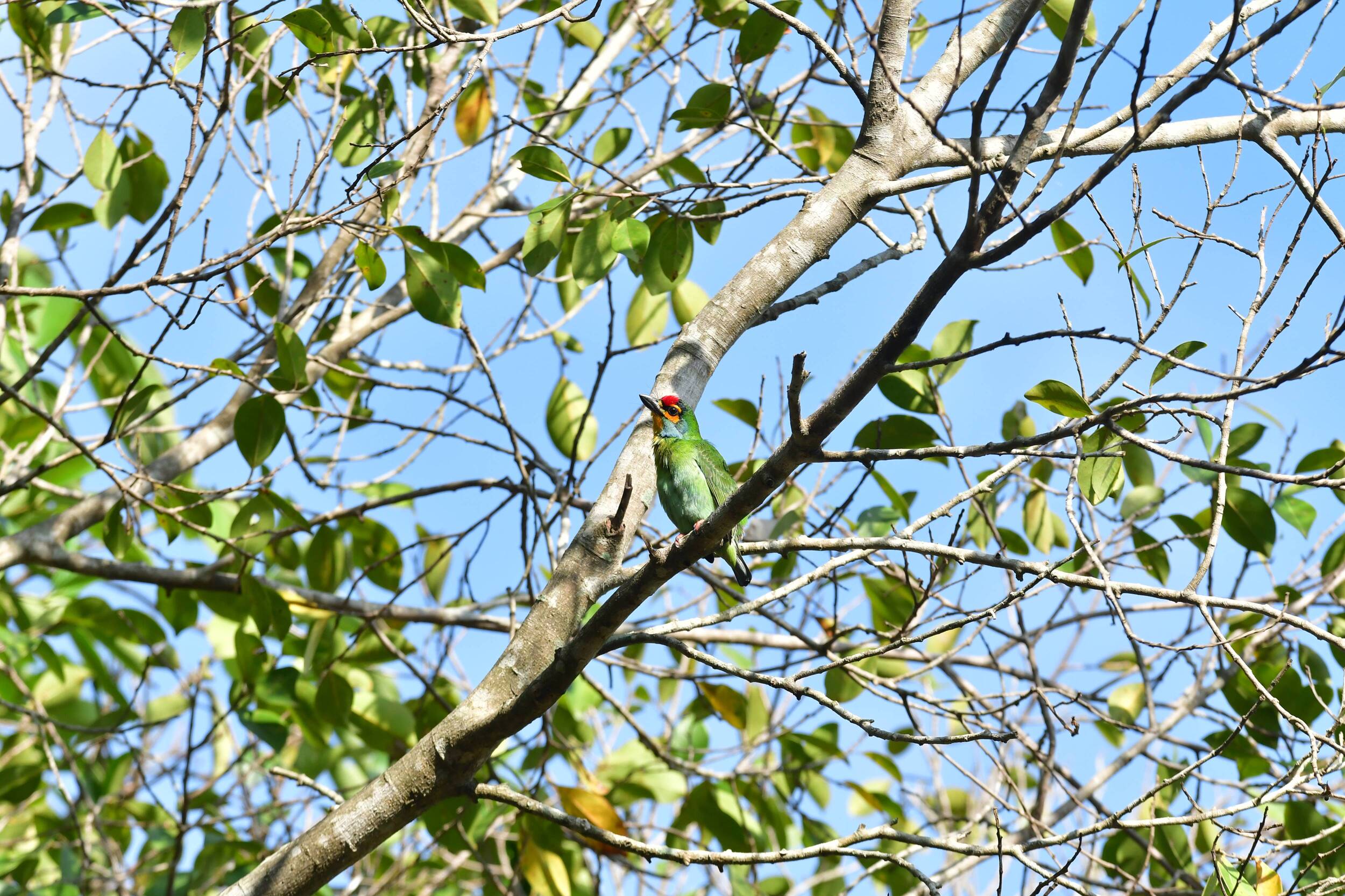
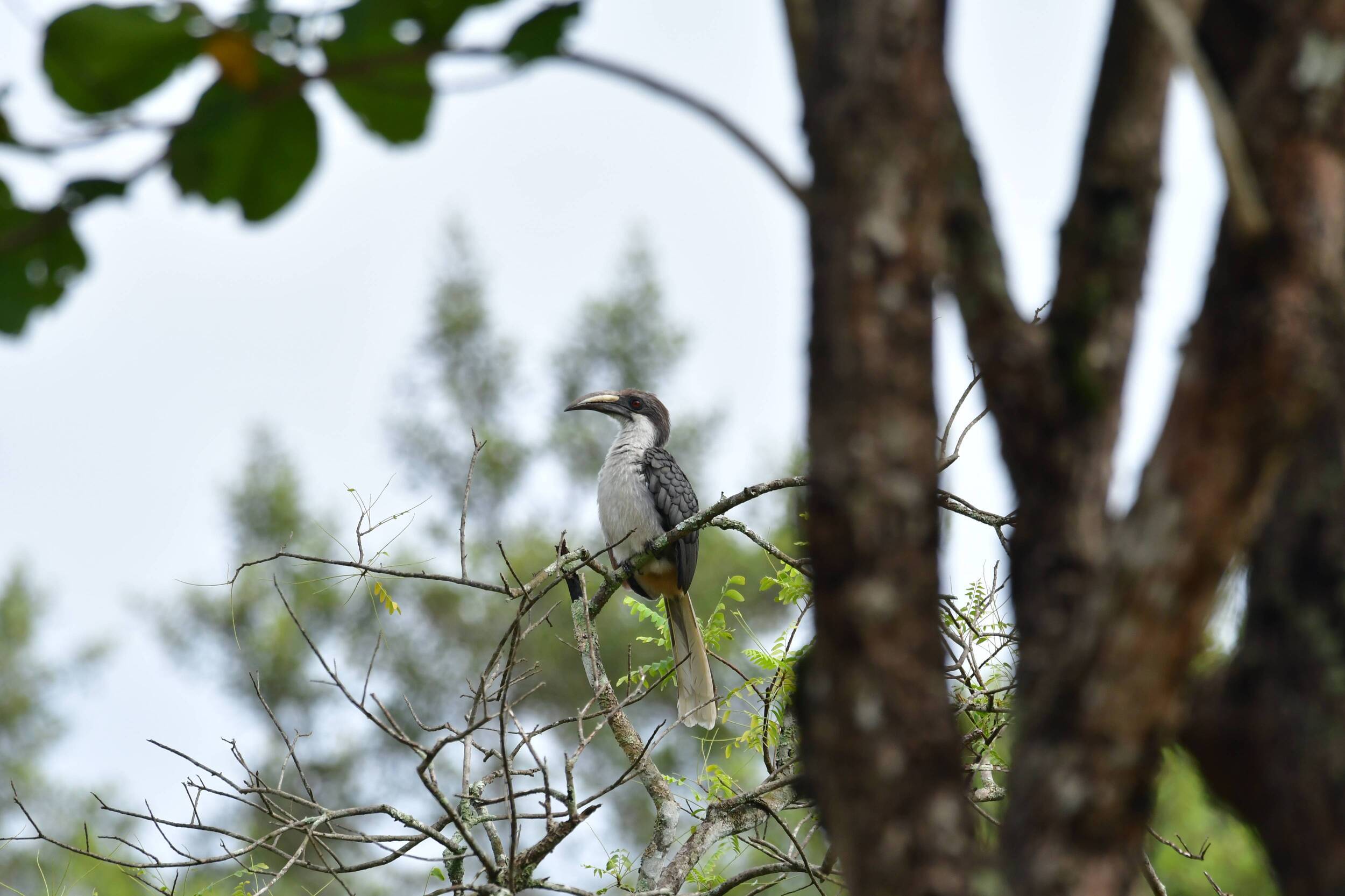
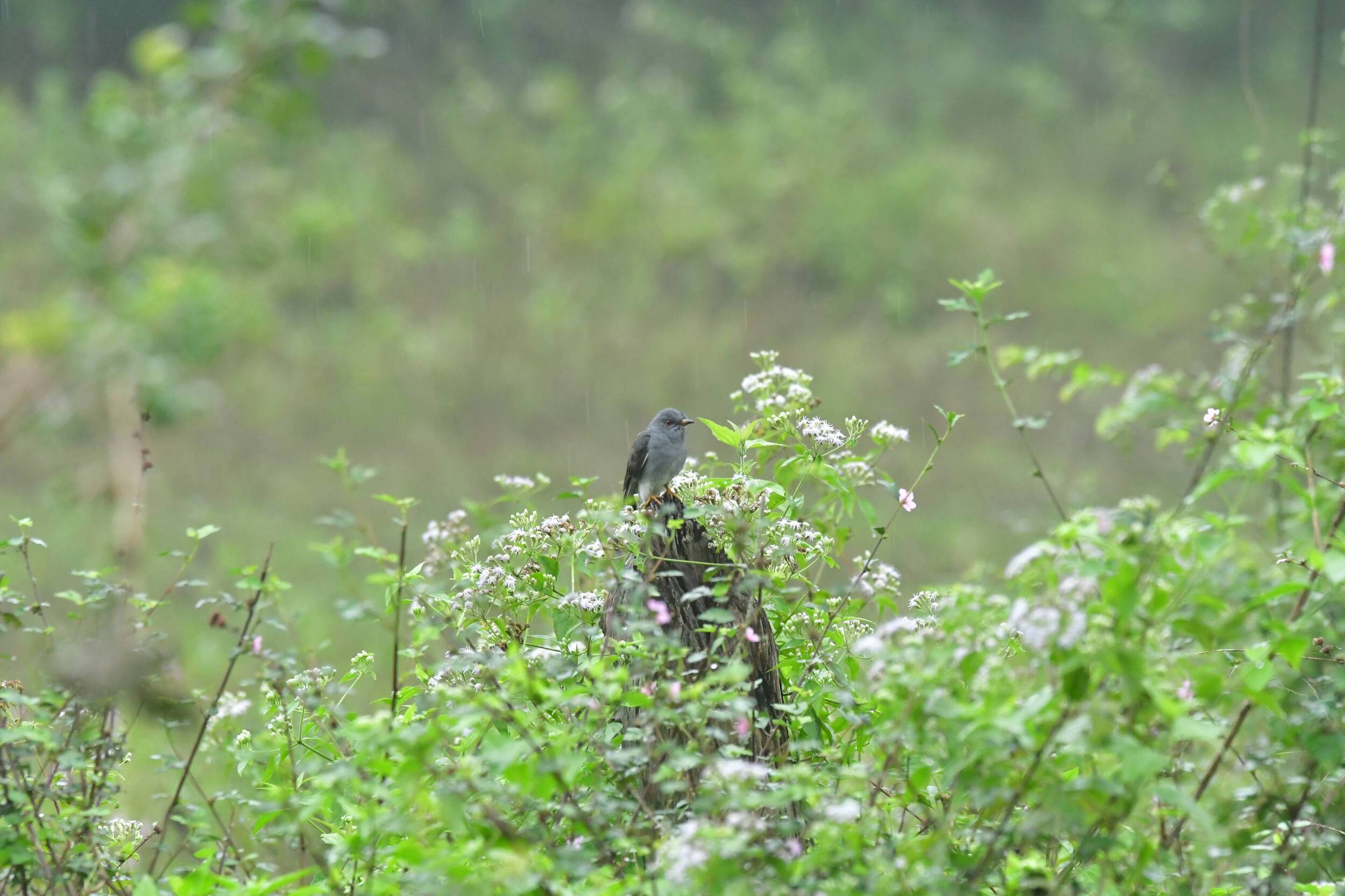
The Pidurangala trail also produced great birds, including a Flame-throated Bulbul (a Ceylon endemic), two Sri Lanka Grey Hornbills at the Sigiriya palace ruins, a Brown-capped Babbler, and a Crimson-fronted Barbet. The following morning, near a local lake, I added the Grey-bellied Cuckoo to my list.
West coast relaxation – Chilaw and Anawilundawa
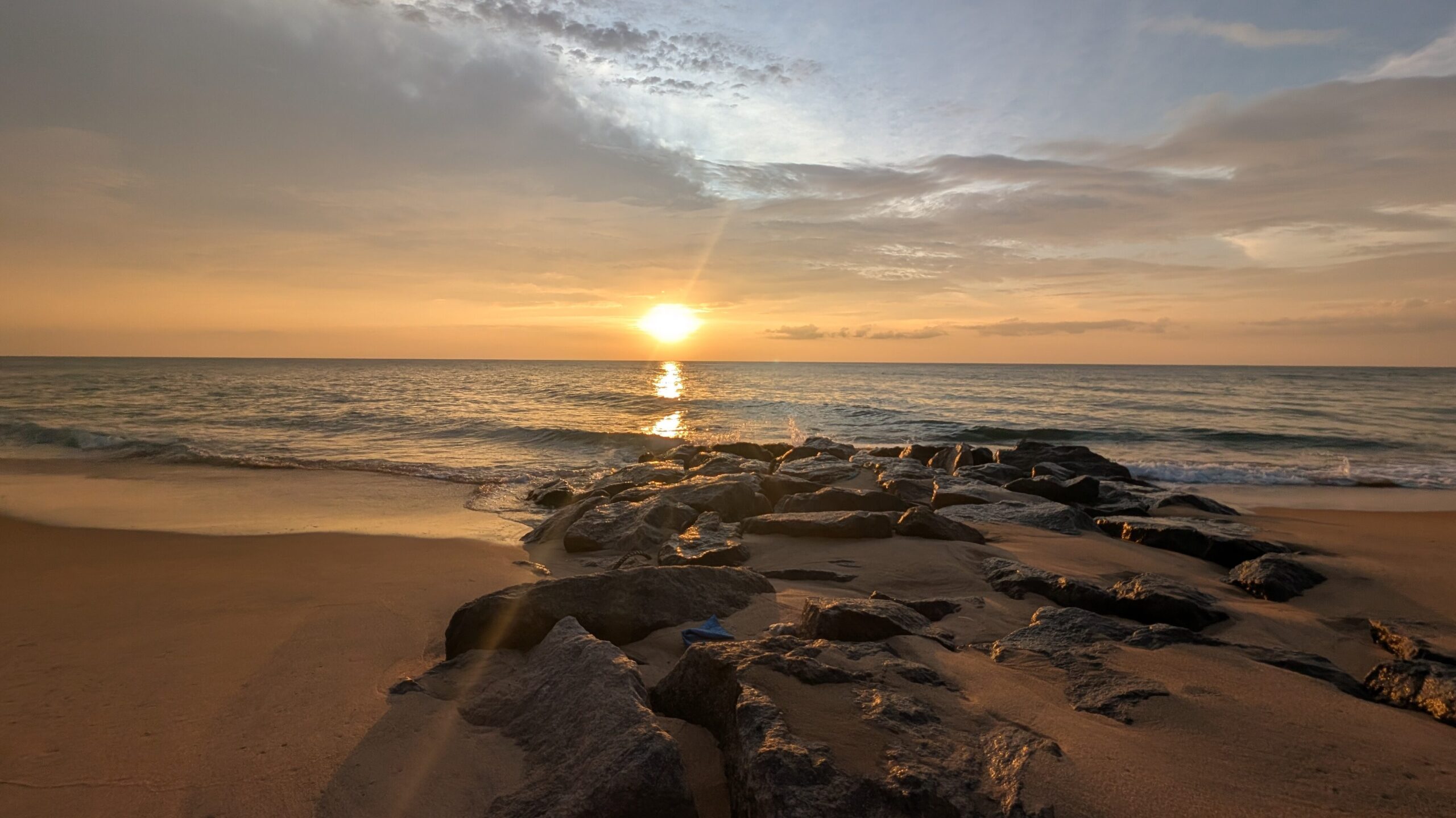
Our final base on Sri Lanka was near the town of Chilaw on the west coast — a beautiful hotel situated between the beach and a large lagoon, run by a charming gentleman who was fascinated by my birdwatching hobby. This was the ideal spot to recharge after an action-packed itinerary.
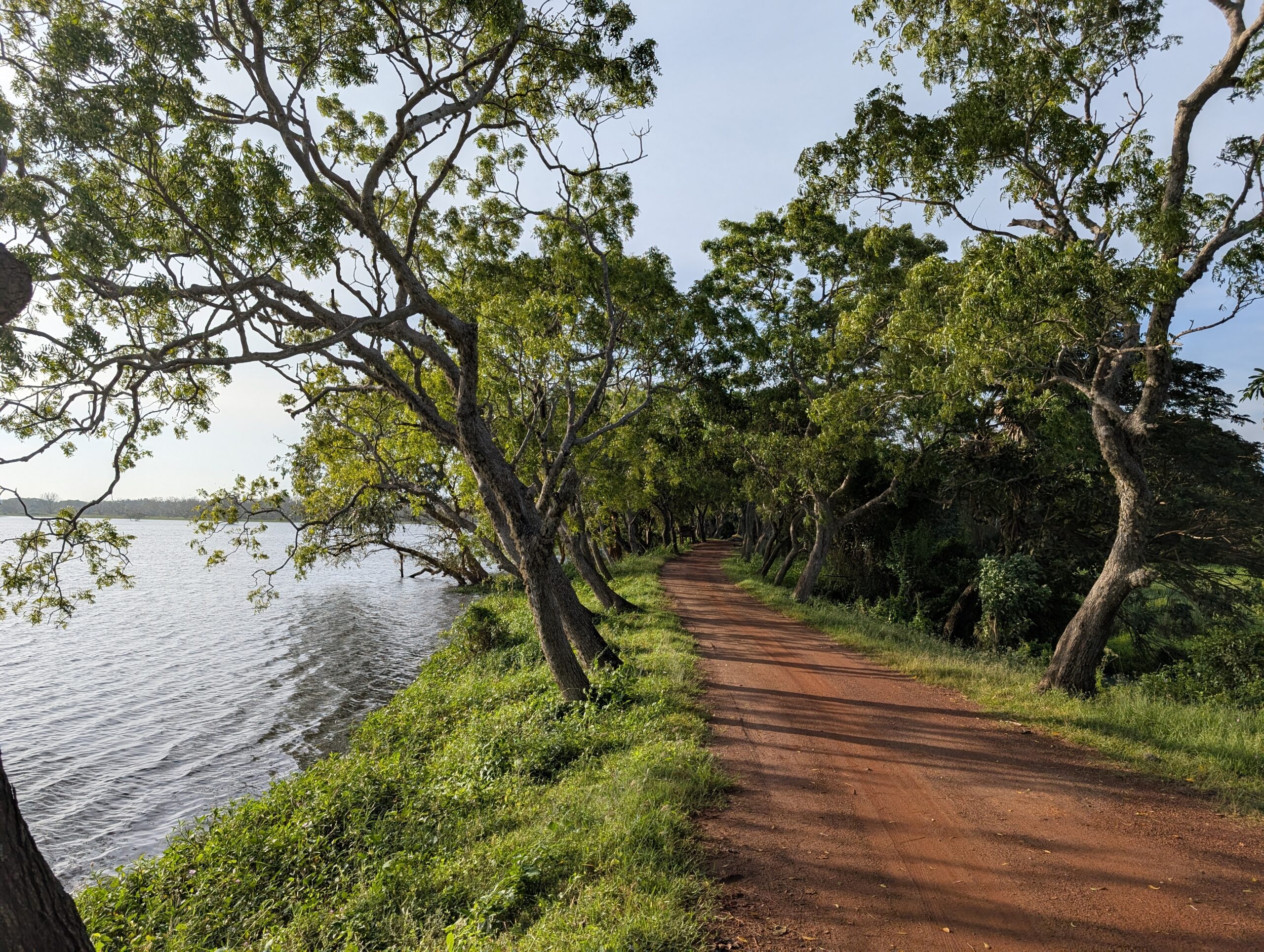
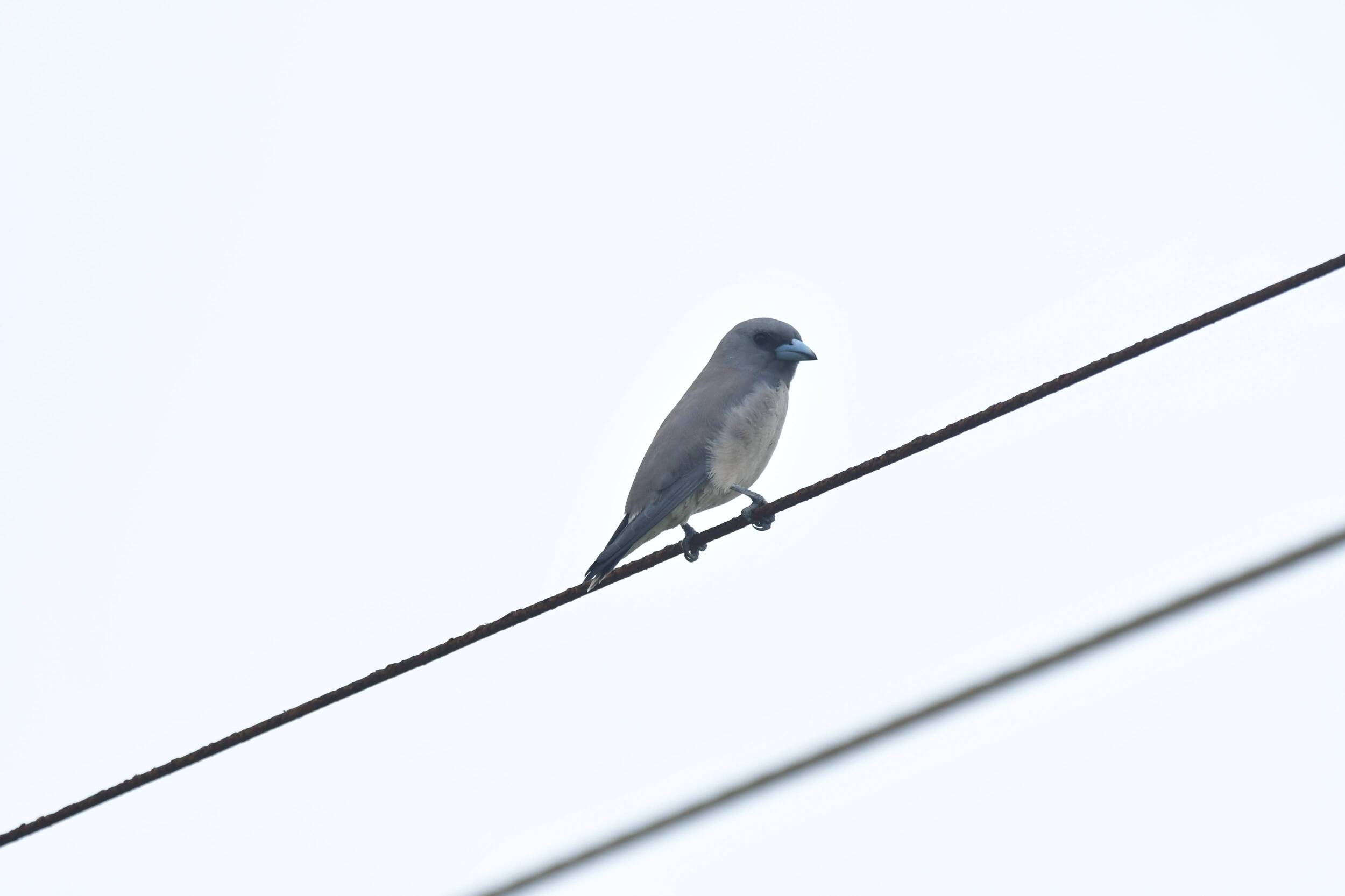
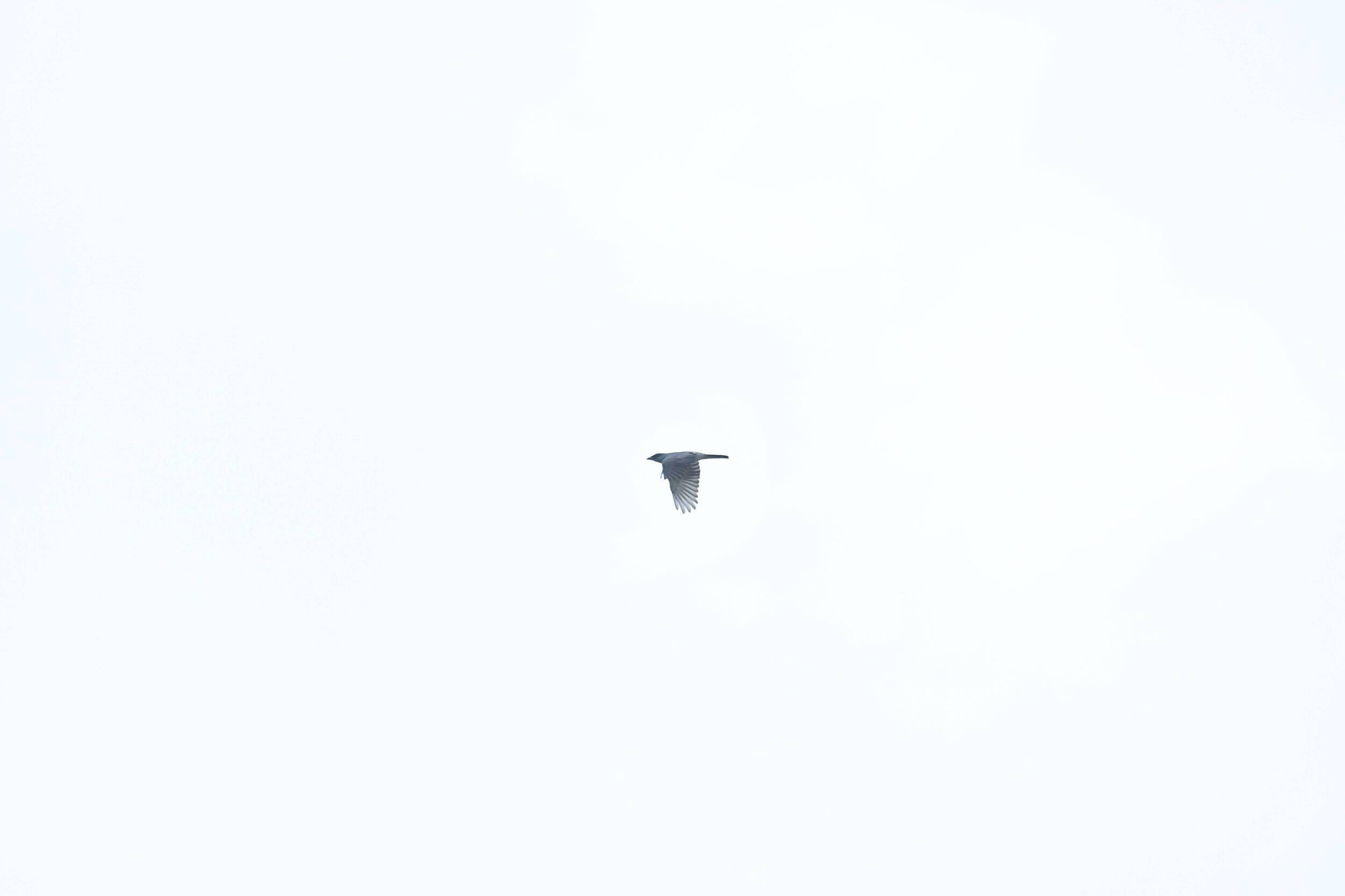
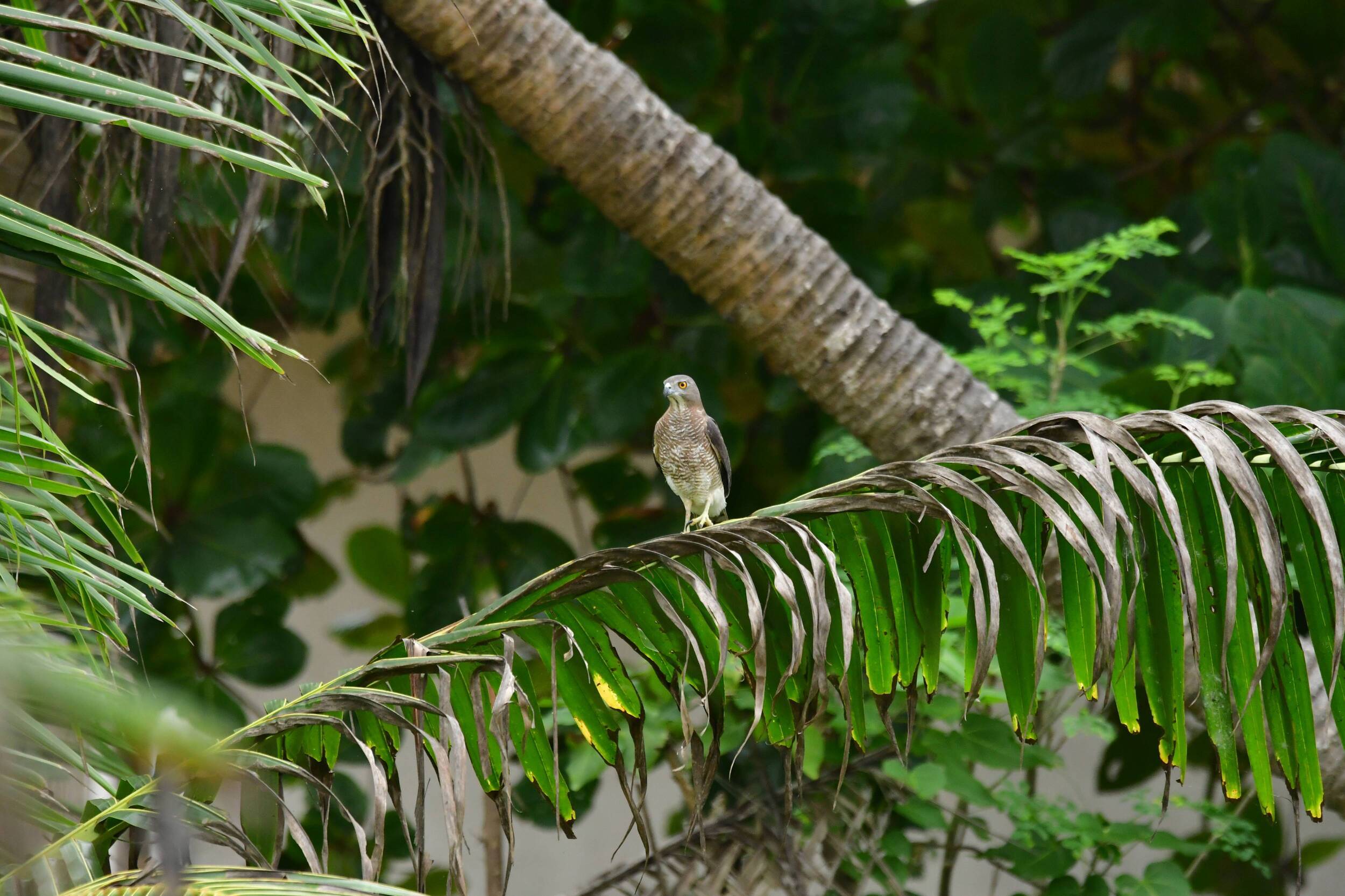
The nearby Anawilundawa Bird Sanctuary and surrounding rice paddies provided several last-minute additions to my life list: Large Cuckooshrike, Shikra, Black-winged Kite, and Paddyfield Pipit. My total count for the trip reached 104 new species — a result I consider spectacular, and one that would have been even higher had the rain not forced us to miss Sinharaja National Park.
Practical tips for a Sri Lanka birdwatching trip
Organising this trip was the most complex international travel I had ever done independently. Despite a few mistakes, we had a fantastic 10 days in Ceylon. Here are my key practical tips:
- Get a local SIM card immediately upon arrival — data costs in international roaming from a European SIM can be eye-watering. A local SIM is essential for navigation and translation.
- Exchange currency at the airport — we found the best exchange rates at Colombo airport. Bring USD or EUR; PLN won’t be accepted anywhere.
- Hire a car with a driver — self-driving is not cheaper, and Sri Lankan traffic is genuinely dangerous for foreigners. A good driver also acts as a local guide.
- Always confirm travel times — even short routes can take surprisingly long. Plan accordingly.
- Agree all terms in advance — price, duration and scope of any service. Vague agreements will be used against you.
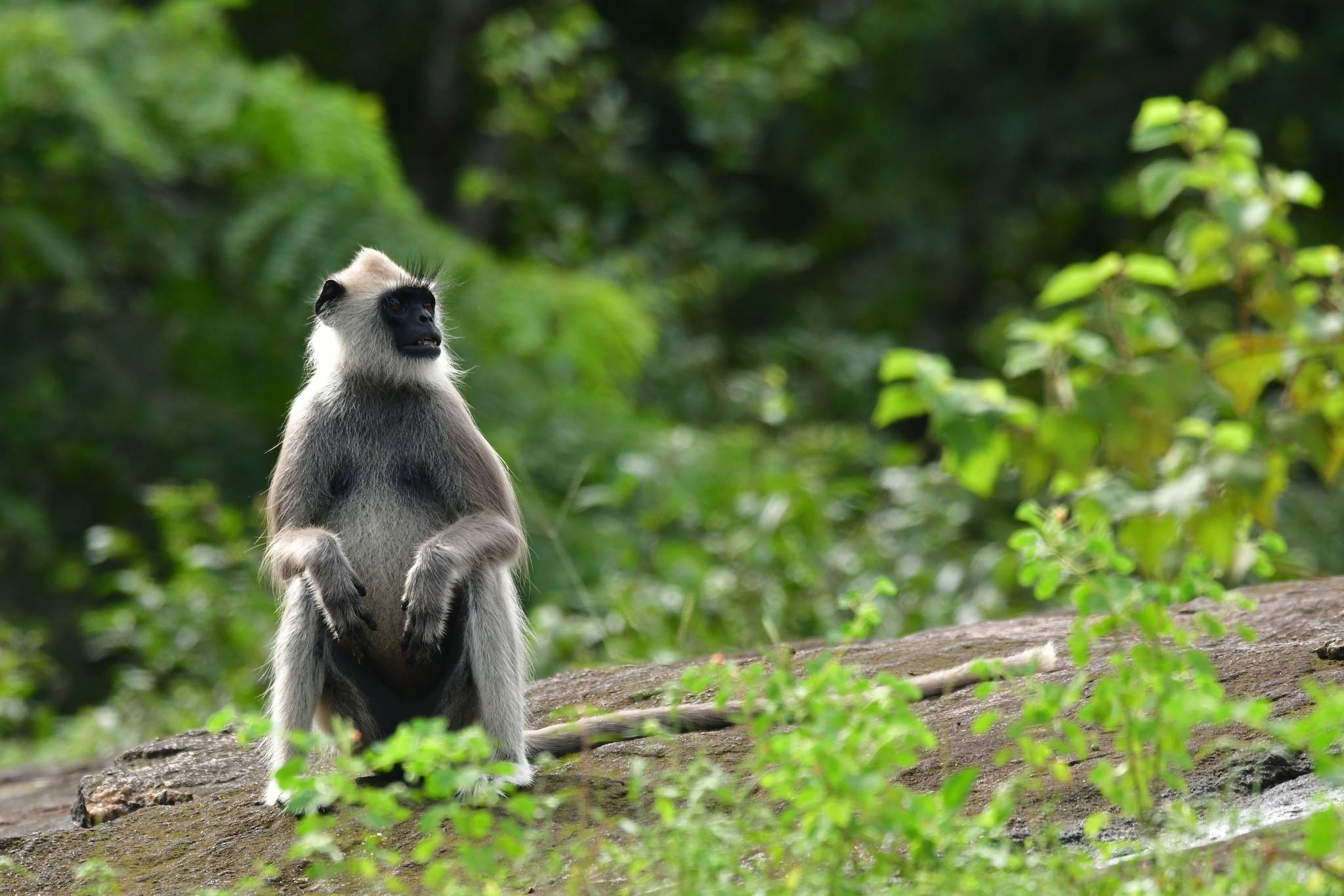
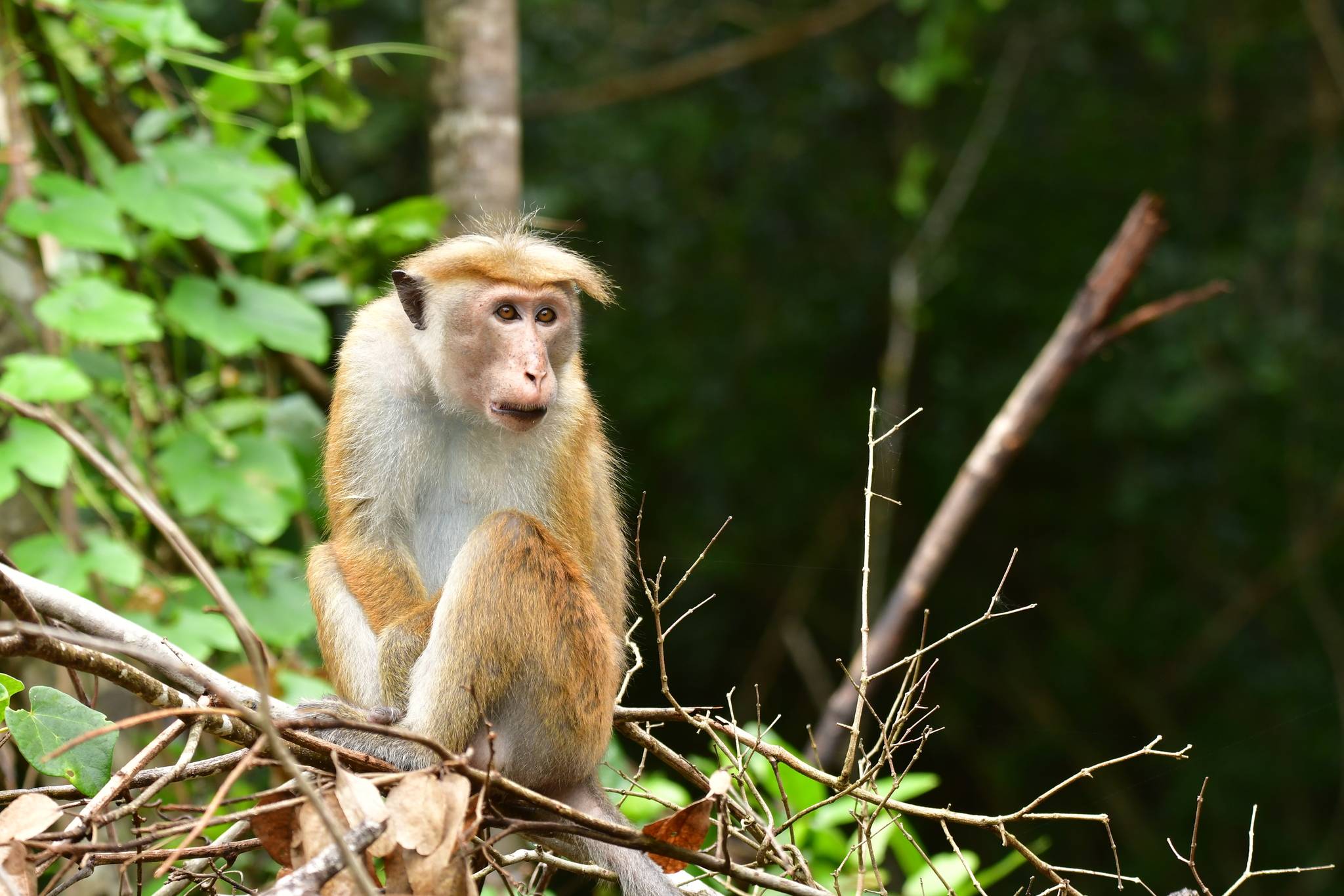
- Watch your belongings around monkeys — both Toque Macaques and Purple-faced Langurs are expert thieves.
- Bring rain gear — Ceylon’s weather changes rapidly and dramatically.
- Use strong sun protection — even on overcast days, the equatorial sun burns fiercely.
- Bring a plug adapter — Sri Lanka uses British-type (Type G) sockets.
- Travel insurance is a must — stray dogs, chaotic traffic, tropical diseases and accidents make comprehensive travel insurance essential.
Sri Lanka birds trip – summary
Ten days in Sri Lanka is undoubtedly too short to track down every interesting species, visit every attraction, or explore every corner of this remarkable island. We skipped a whale-watching trip due to weather, missed three national parks — Yala, Bundala and Wilpattu — and had to abandon our Sinharaja plans due to relentless rain. And yet, despite the imperfections, we came home exhilarated.
104 new birds on my life list. Elephants, crocodiles, sea turtles, giant bats, and monitor lizards. Stunning temples, colourful markets, and incredibly warm people. Ceylon is one of those rare destinations that exceeds all expectations — and leaves you already planning your return.
If you are considering a Sri Lanka trip for birdwatching, stop thinking and start booking. You will not regret it. And if you have any questions about planning your trip, feel free to ask in the comments!
If you enjoy birdwatching in exotic destinations, check out our report from the Fuerteventura – Canary Island birding trip.