
 Paweł Warowny
Ever since I became passionate about birdwatching, the opportunity to encounter new species immediately became a key factor in choosing international holiday destinations. Finding new species gives me enormous joy and satisfaction every time I spot a bird I’ve never seen before. So this time too, when my wife and I were thinking about what corner of the world to visit, it was one of the key deciding factors. After analysing our remaining expectations, the calendar and our budget, we decided that this time we wanted to visit Africa. And the birds of Zanzibar and the whole archipelago are apparently one of the best destinations for people visiting the dark continent for the first time. We put it to the test!
- Zanzibar birds – what to expect?
- Hotel with a garden by the beach – a great birdwatching spot
- Jozani National Park – a VIP birding excursion
- Stone Town and the spice plantation
- Practical info – birding trip to Zanzibar
- Zanzibar birds – observation list
- Zanzibar up close – cultural shock included in the ticket price
- Summary – is it worth going to Zanzibar for the birds?
Zanzibar birds – what to expect on Unguja Island?
Zanzibar is an archipelago off the eastern coast of Africa, forming part of Tanzania. The island of Unguja, which I visited with my wife, is relatively small, but its habitat diversity is astonishing – tropical forest, mangroves, farmland, coastline and coral reefs create a mosaic that offers a birdwatcher a fantastic opportunity to observe species and add new exotic ones to their life list.
To properly prepare for the trip to Tanzania, I purchased the field guide Birds of East Africa from the Princeton Field Guides series. According to my calculations and verification in the book, I expected to find around 94 species on Zanzibar, including several endemics found nowhere else in the world. A trip to Zanzibar is not optimal in terms of the sheer number of species you can observe – the mainland part of the country would be far better for that. However, this time we were primarily looking for comfort and beach relaxation, with birdwatching being just a pleasant bonus. Even so, Unguja Island, on whose eastern coast we were to spend 8 days, offered plenty of interesting and exotic birds.
Hotel with a garden by the beach – a great birdwatching spot
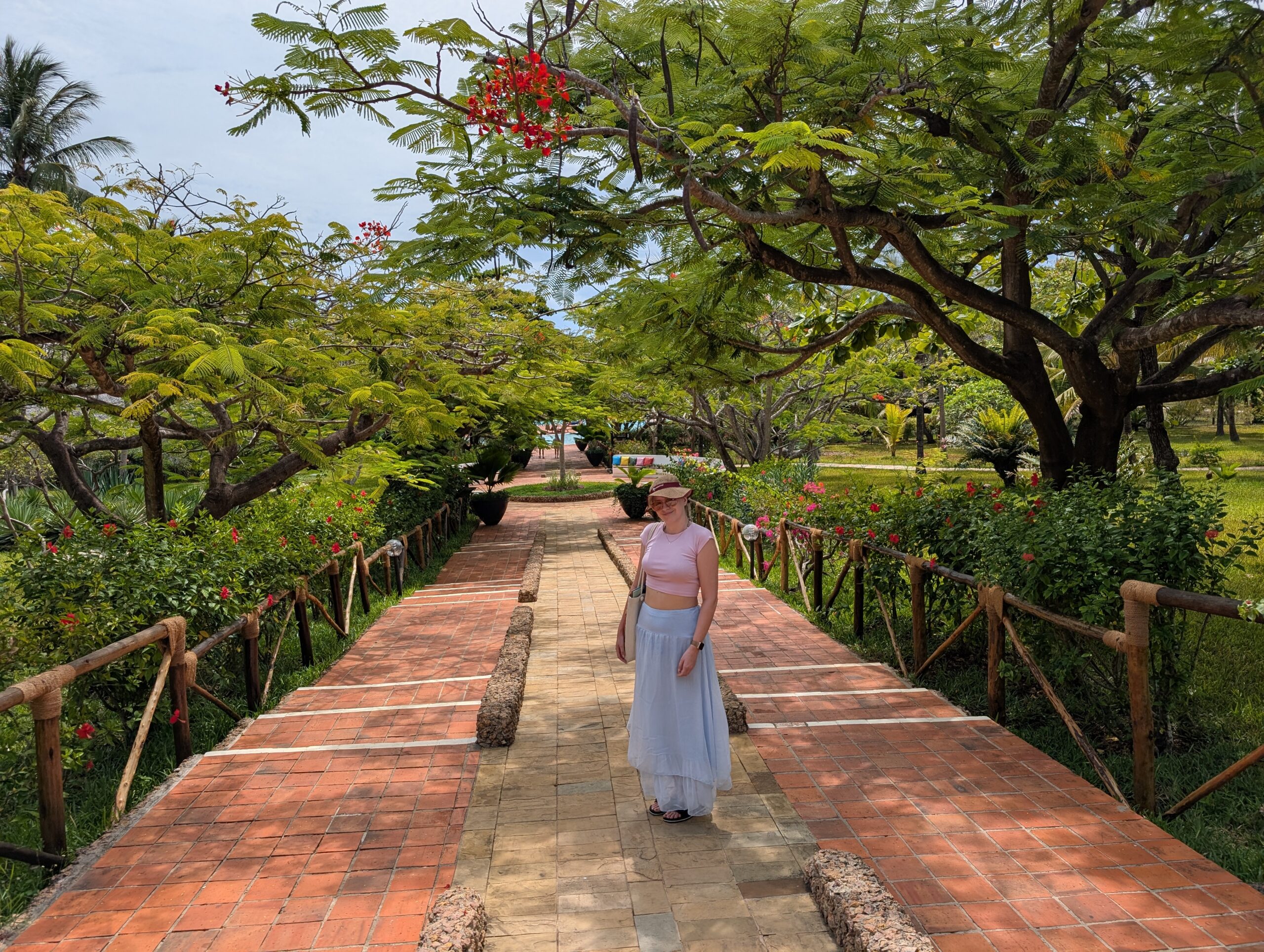
We spent our entire stay at the Dongwe Club Vacanze on the southeastern coast of Unguja Island. When choosing the hotel, I was guided by a few things – comfort and high standards, beach access, and surroundings that would allow birdwatching. The choice proved to be a bullseye: the hotel offers its guests accommodation in small bungalows scattered around an enormous and beautifully maintained exotic garden, where I spent hours tracking birds and learning their songs. The immediate surroundings also offered many excellent observation spots. The beach, to which the hotel had direct access along with a very long wooden jetty, provided opportunities to observe many waterbird species. This is because the eastern shore of the island is very susceptible to tidal ebb, during which the sea floor is exposed over a very large area – a perfect spot for waders, herons and terns. The surrounding overgrown scrubland was also full of birds (unfortunately, more litter than birds in many places).
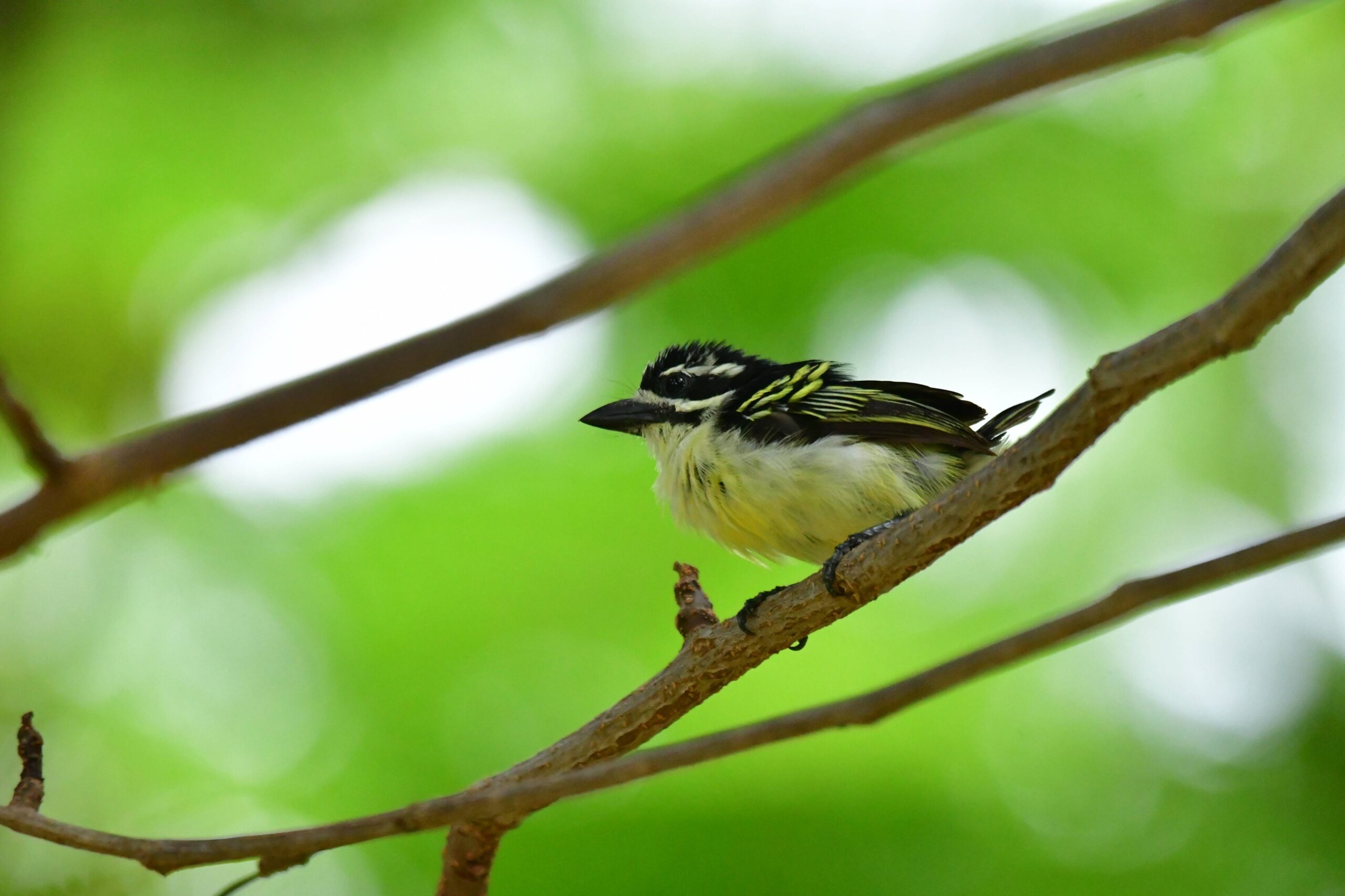
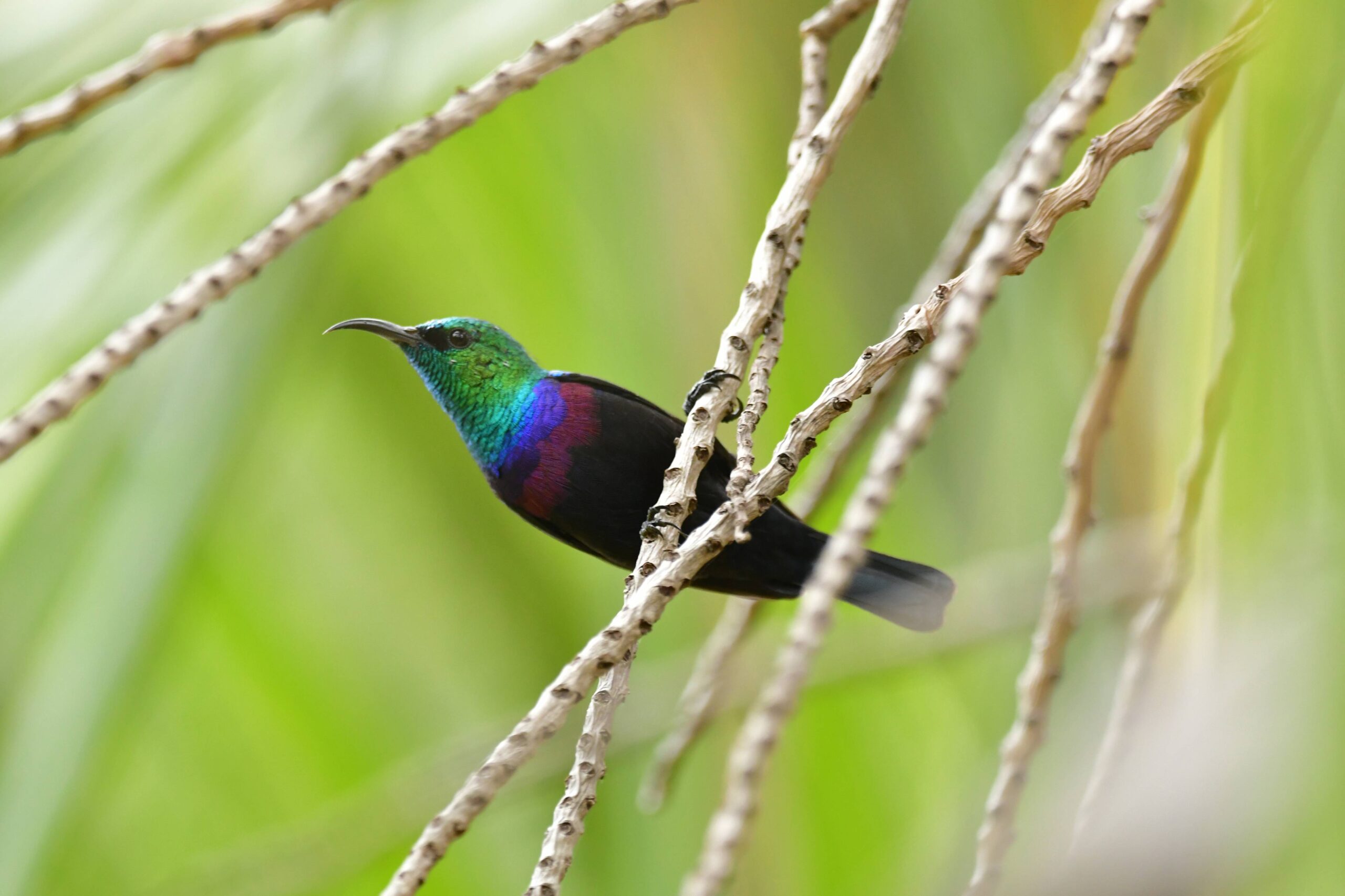
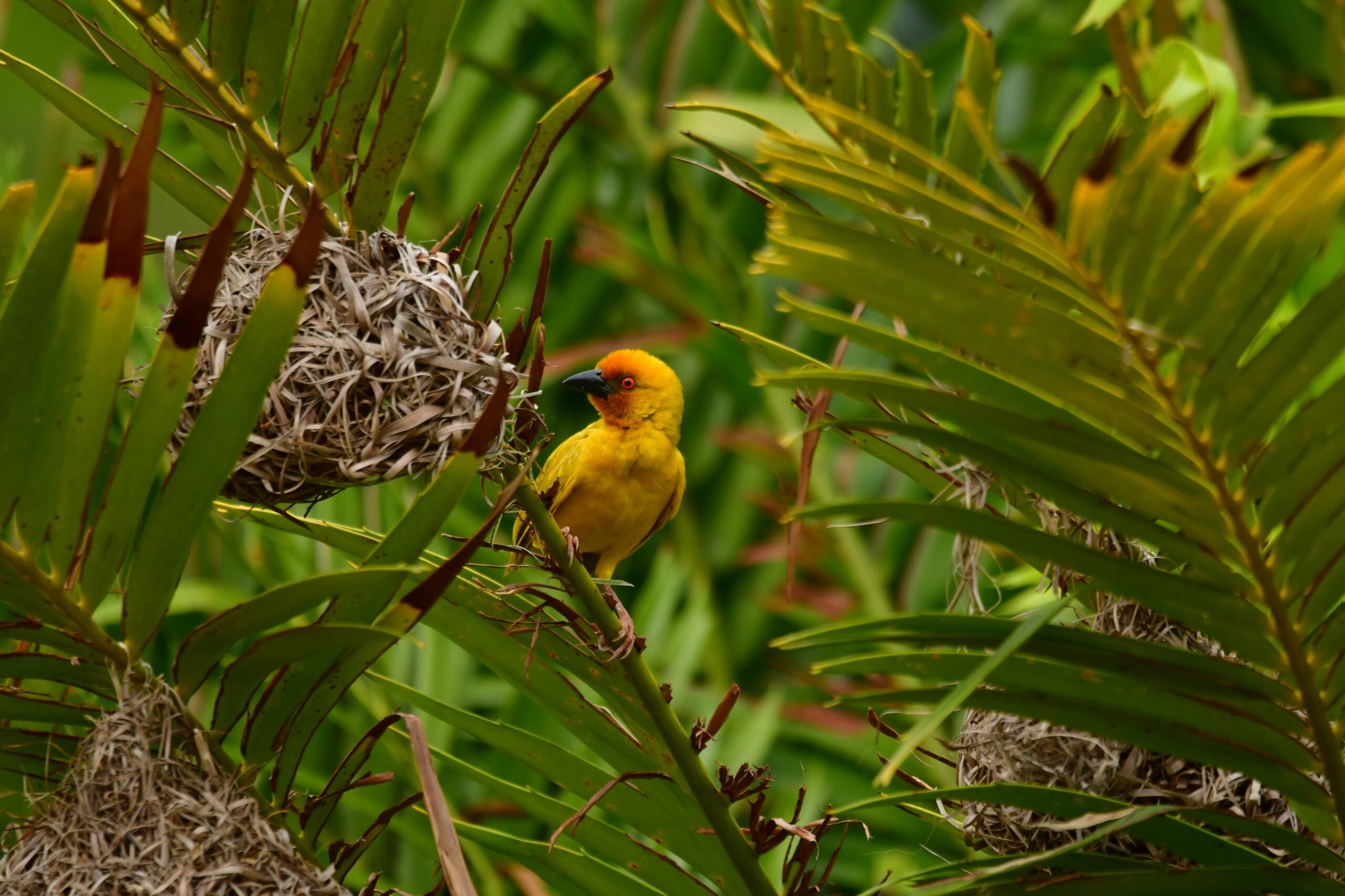
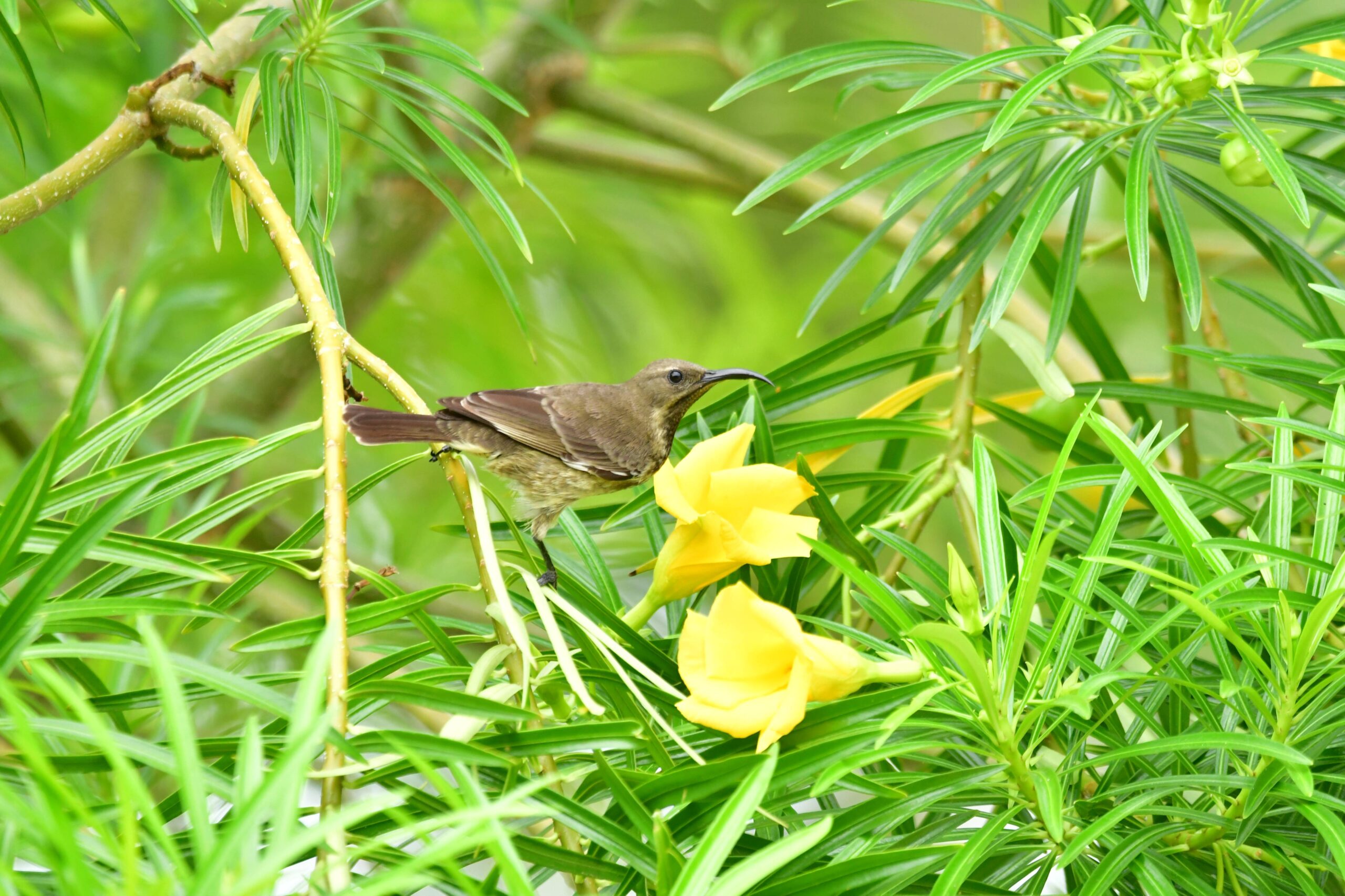
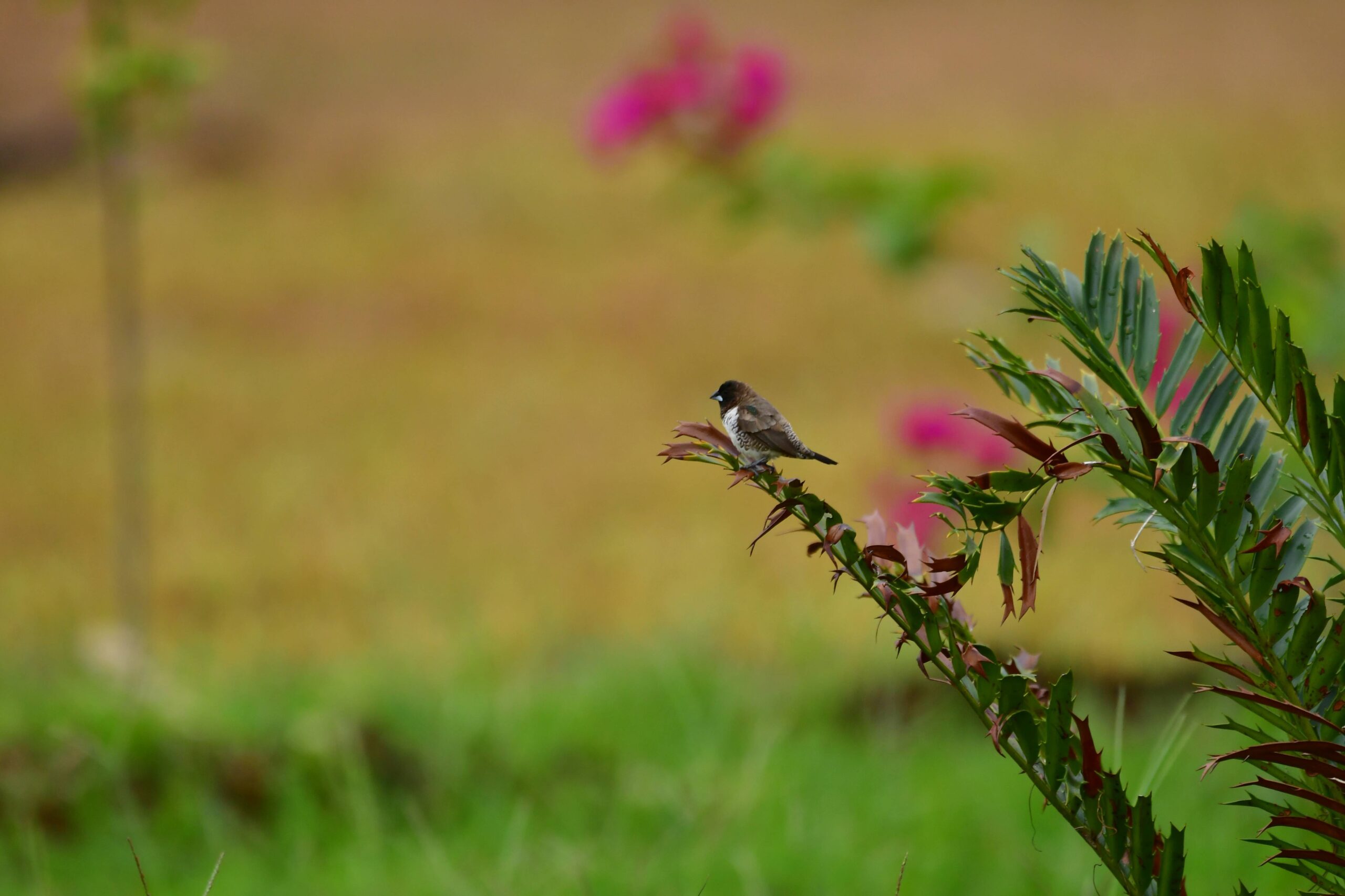
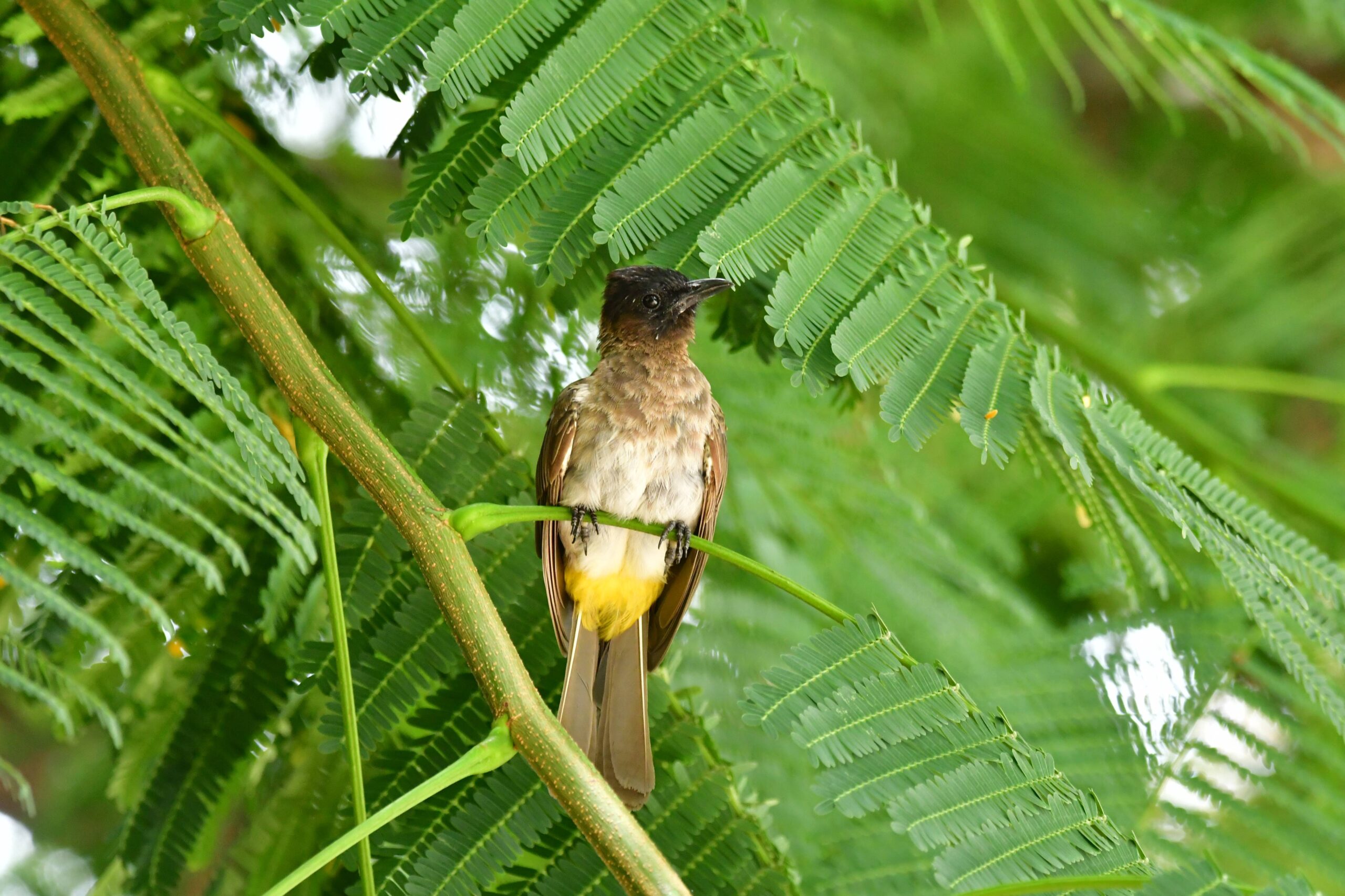
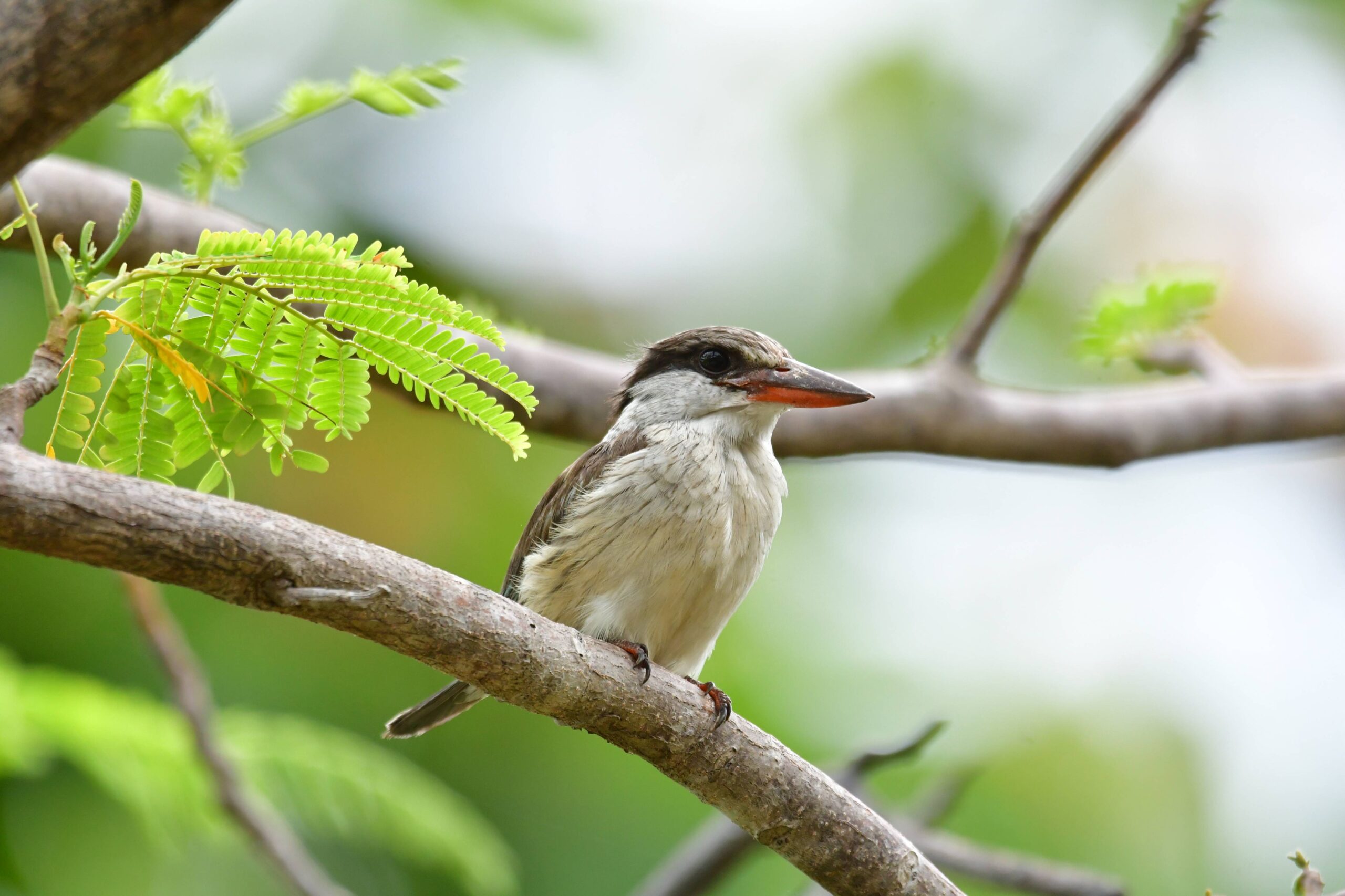
Species seen around the hotel and beach area included: Yellow-rumped Tinkerbird, Purple-banded Sunbird, African Golden-Weaver, Scarlet-chested Sunbird, African Pied Wagtail, Common Bulbul, Striped Kingfisher, African Pipit, Red-eyed Dove, White-browed Coucal, White-fronted Plover, Black Heron, Water Thick-knee, Greater Sand-Plover, Ring-necked Dove, Lesser Striped Swallow, Lilac-breasted Roller, Broad-billed Roller.
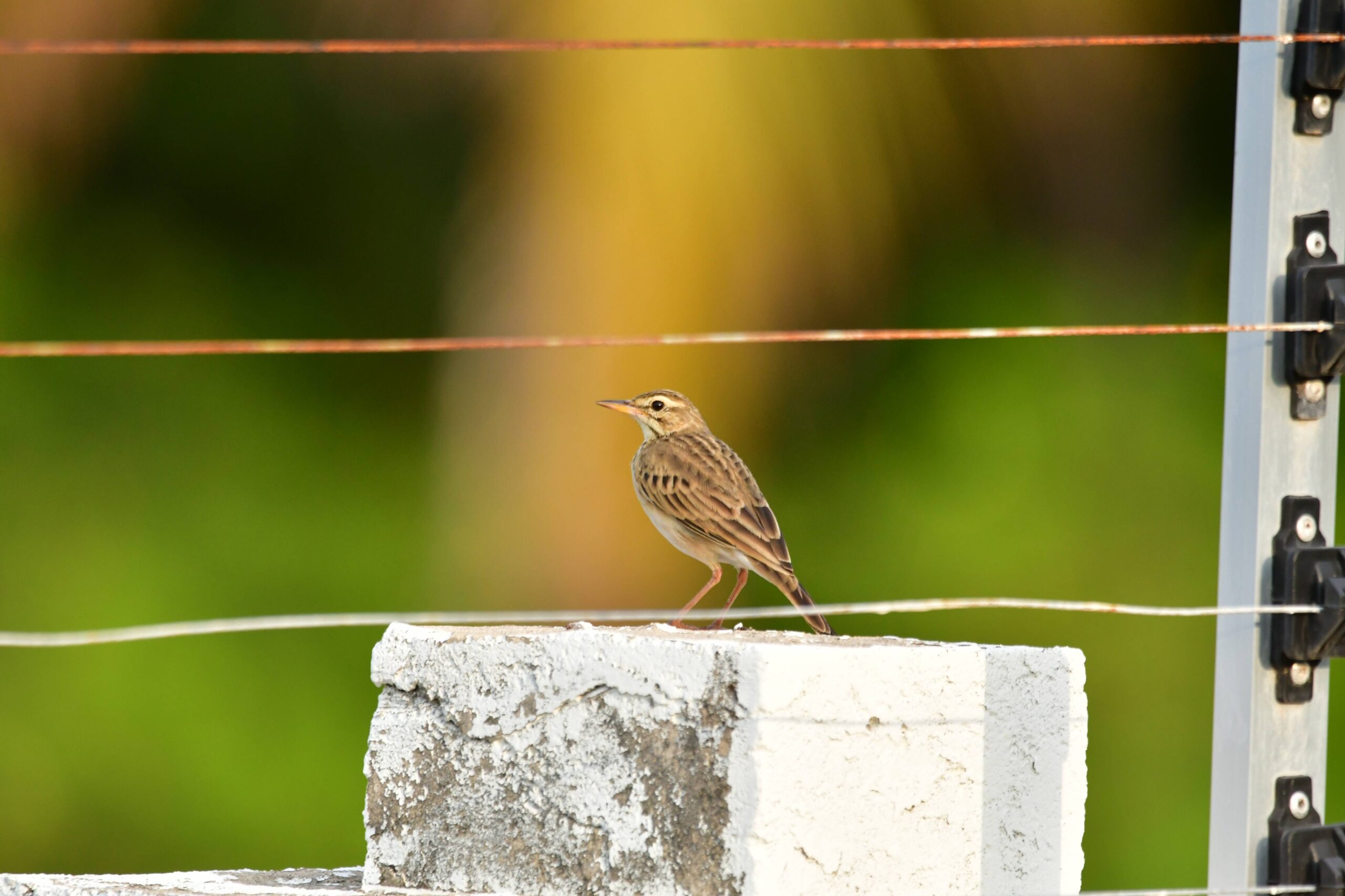
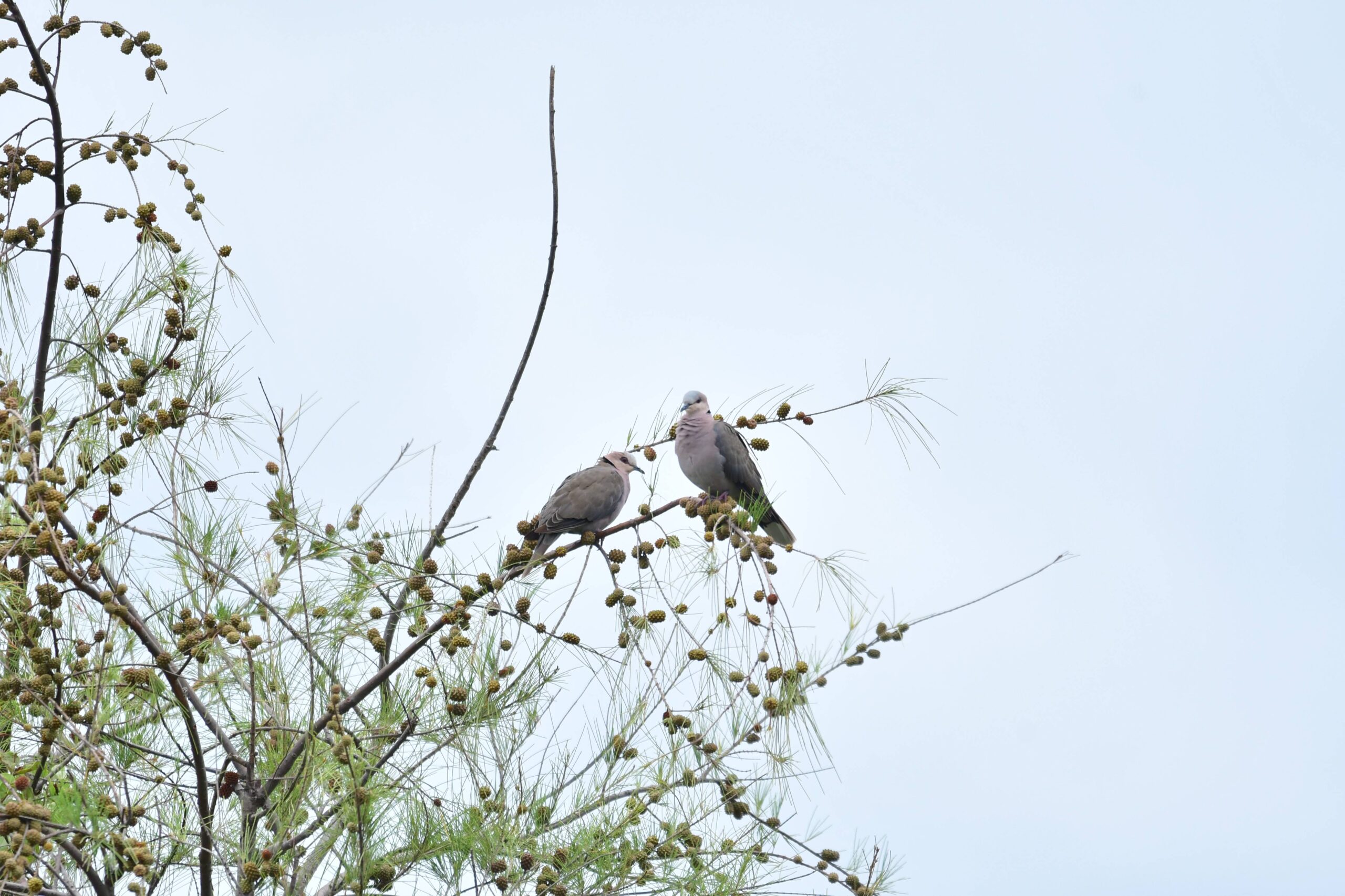
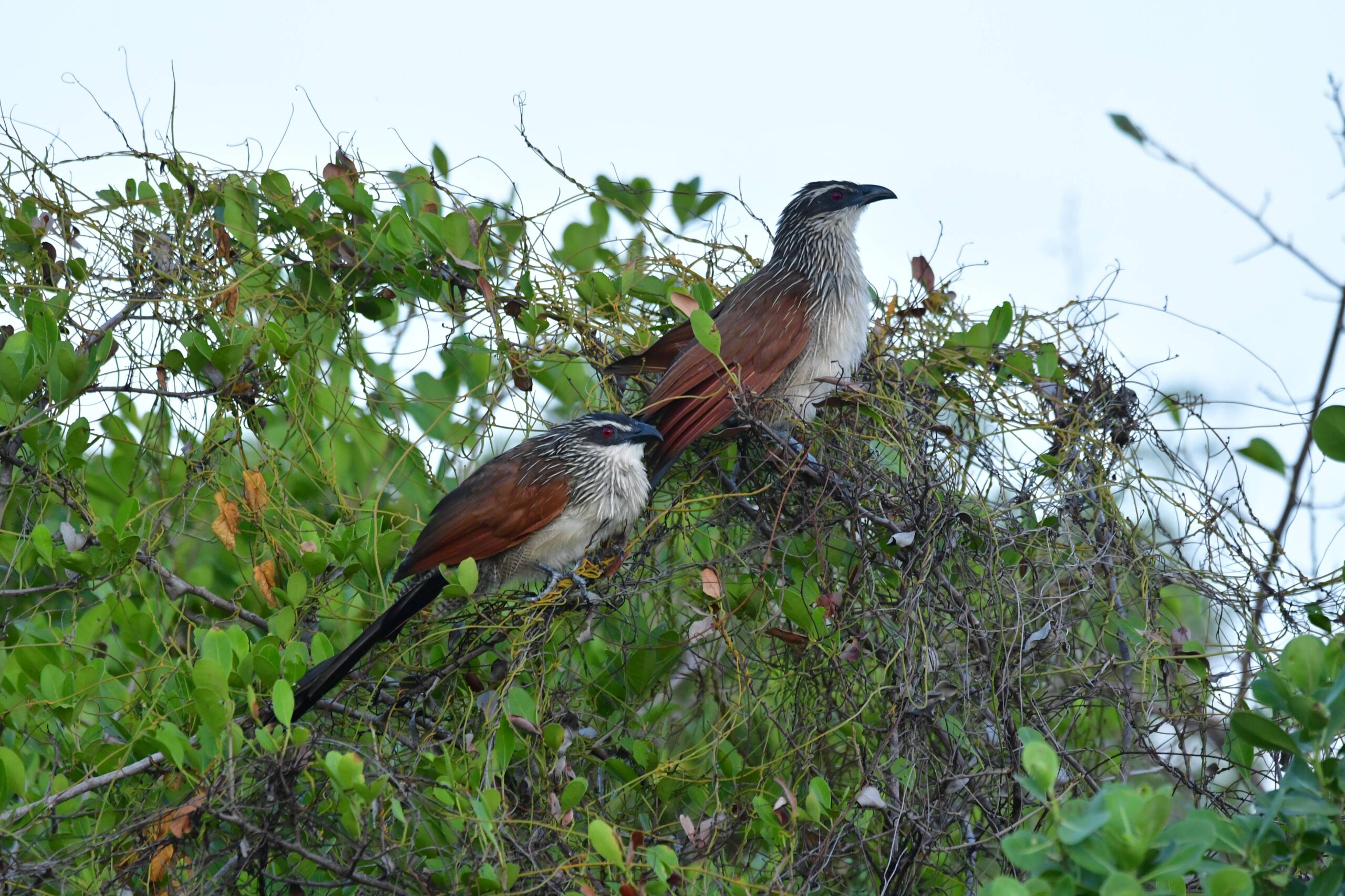
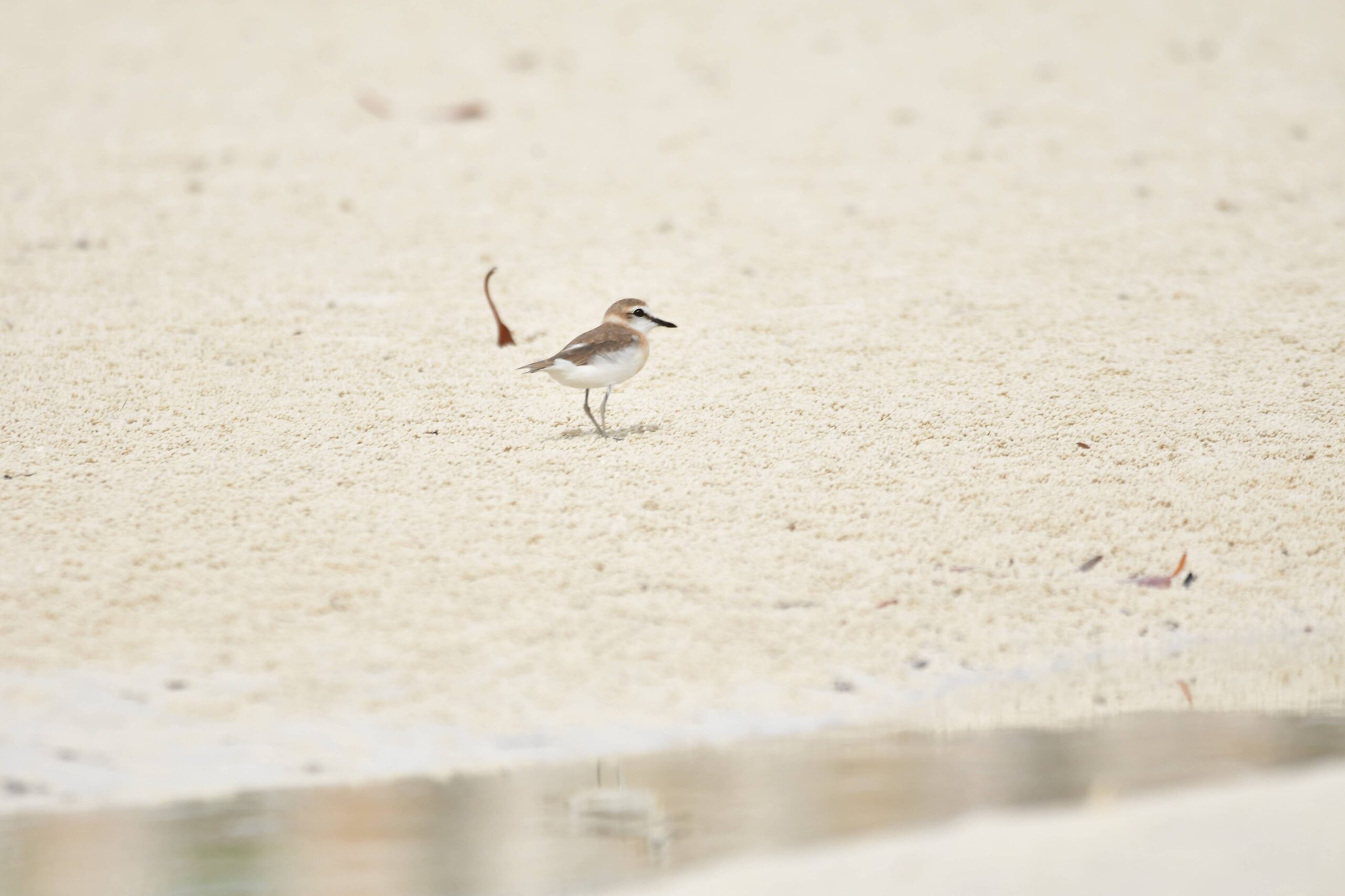
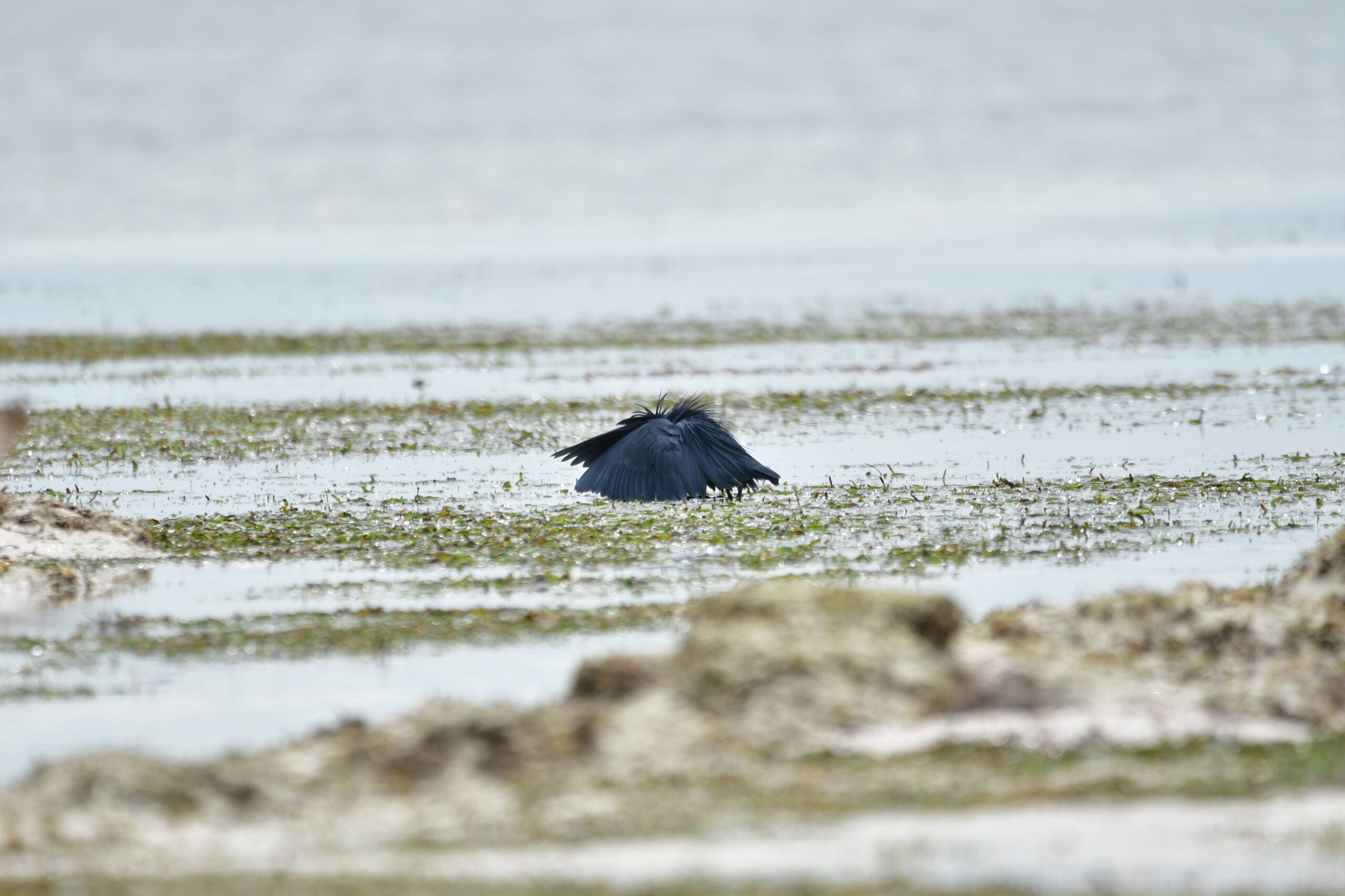
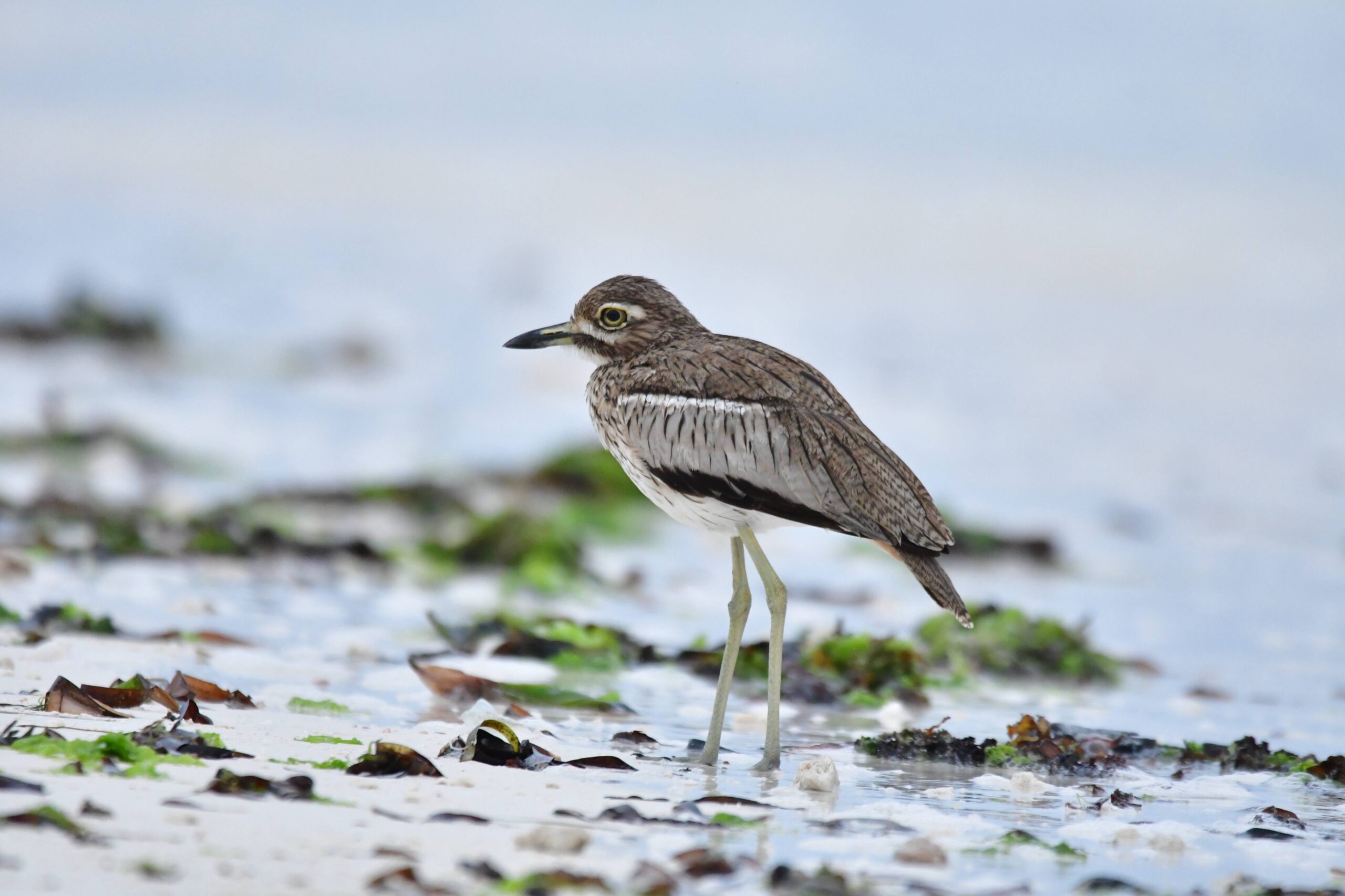
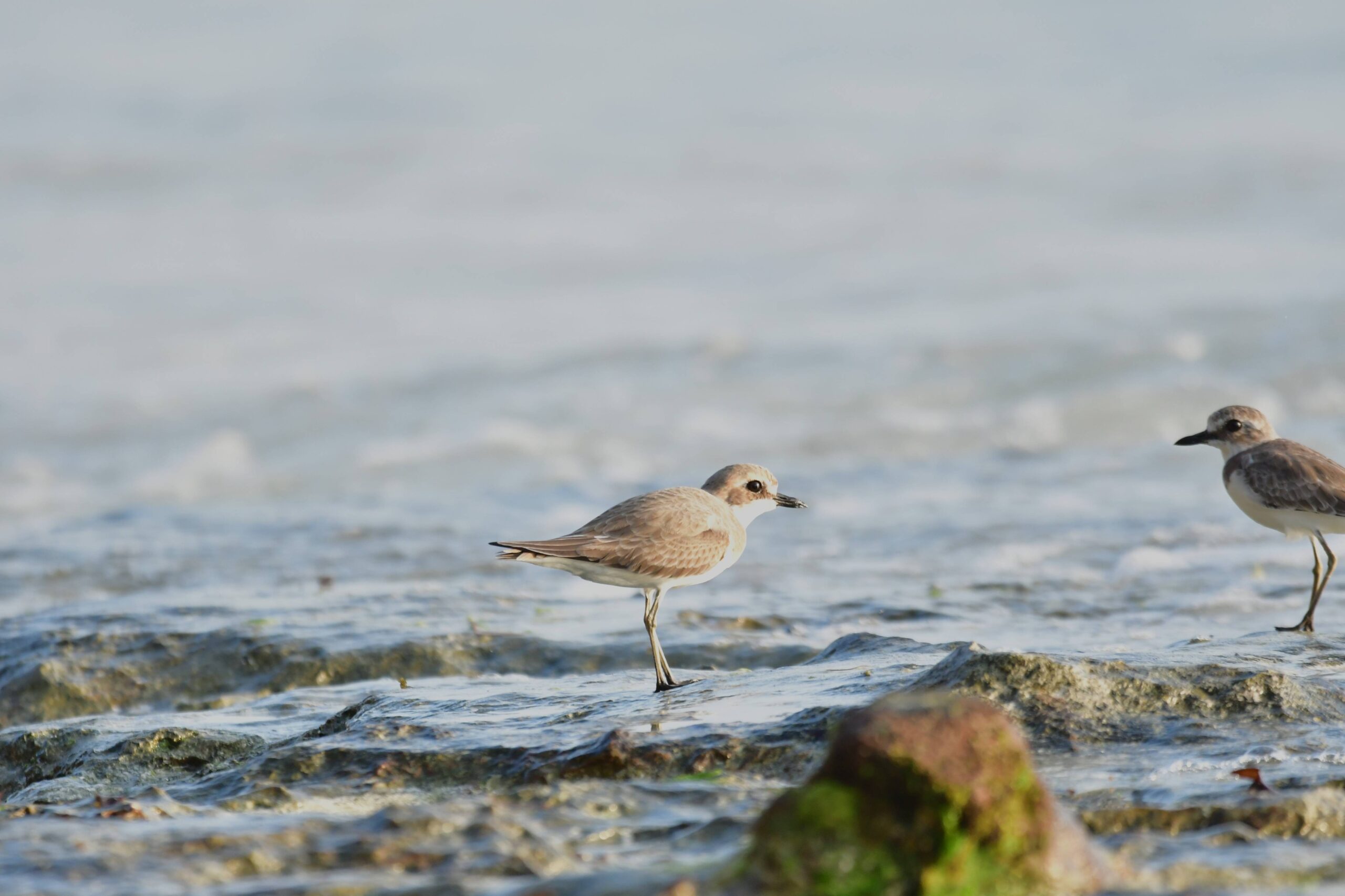
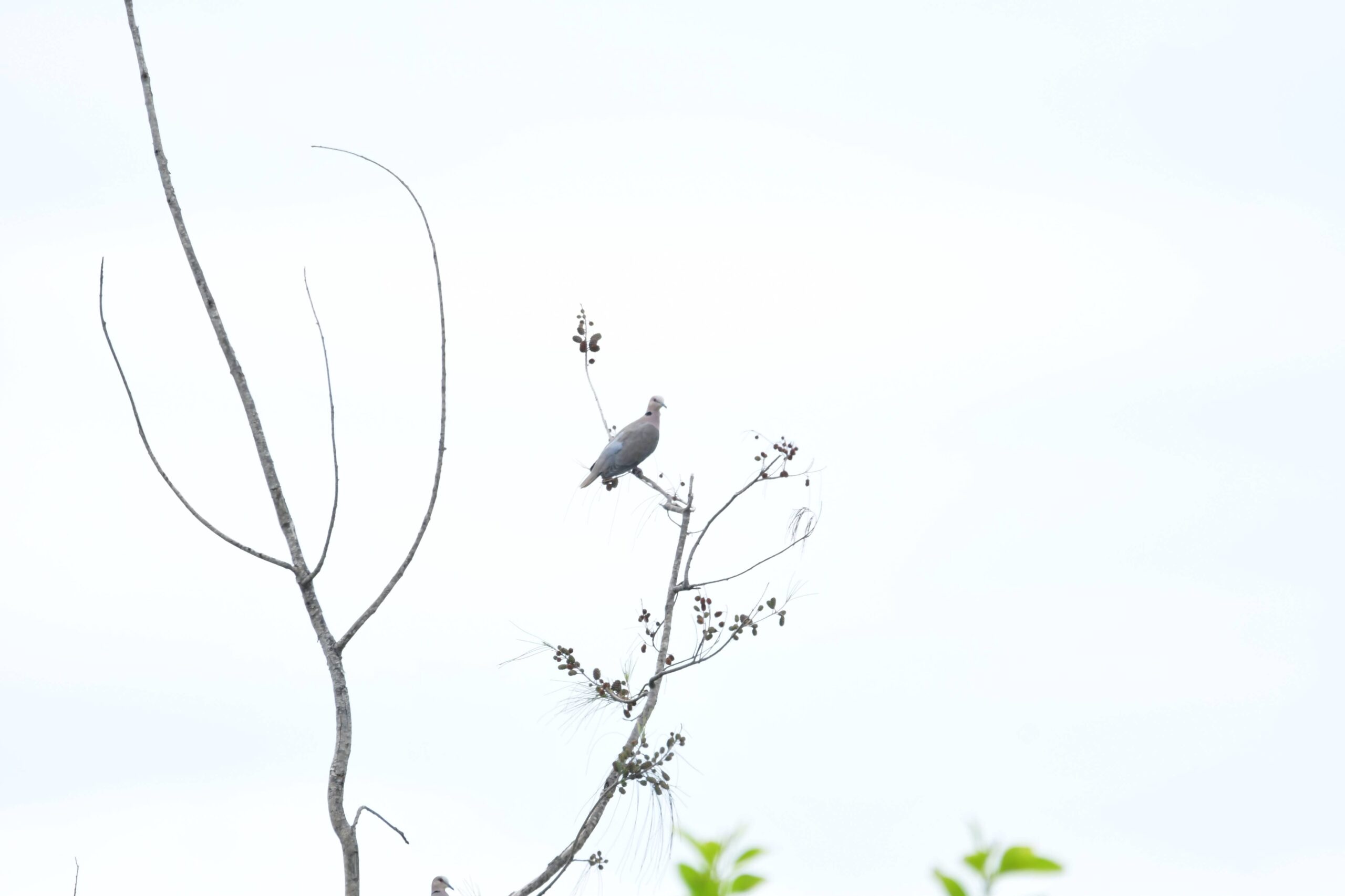
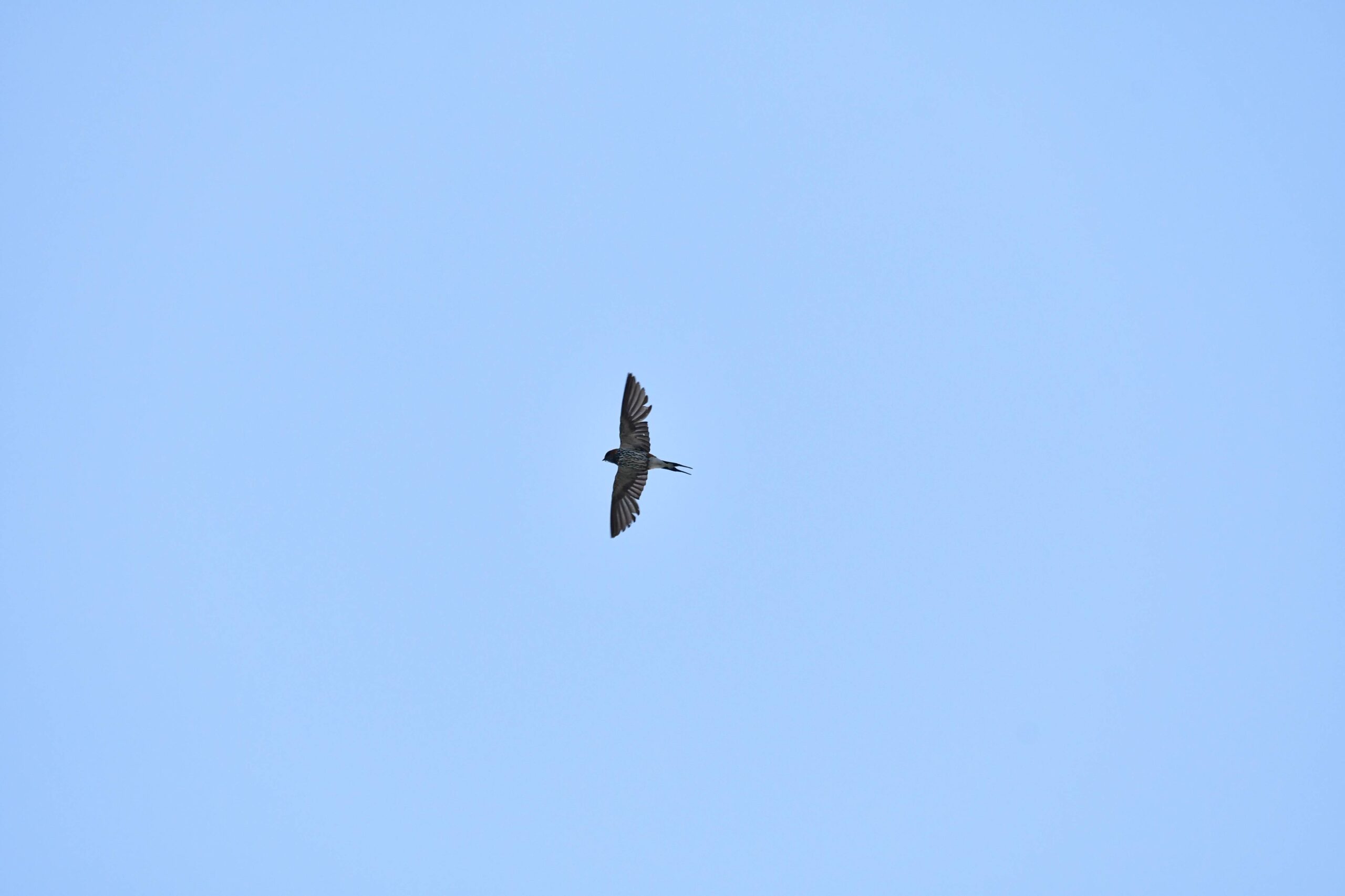
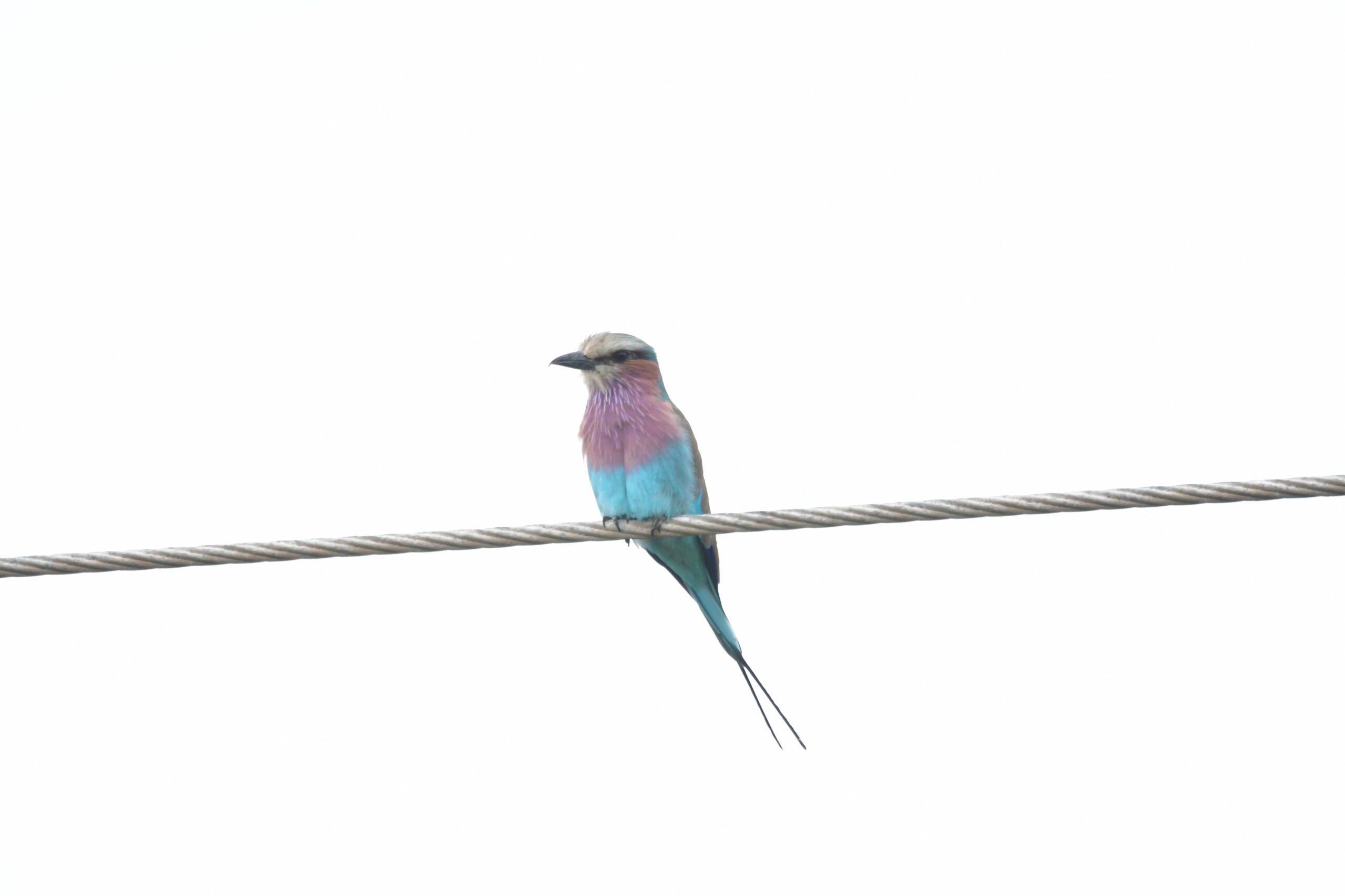
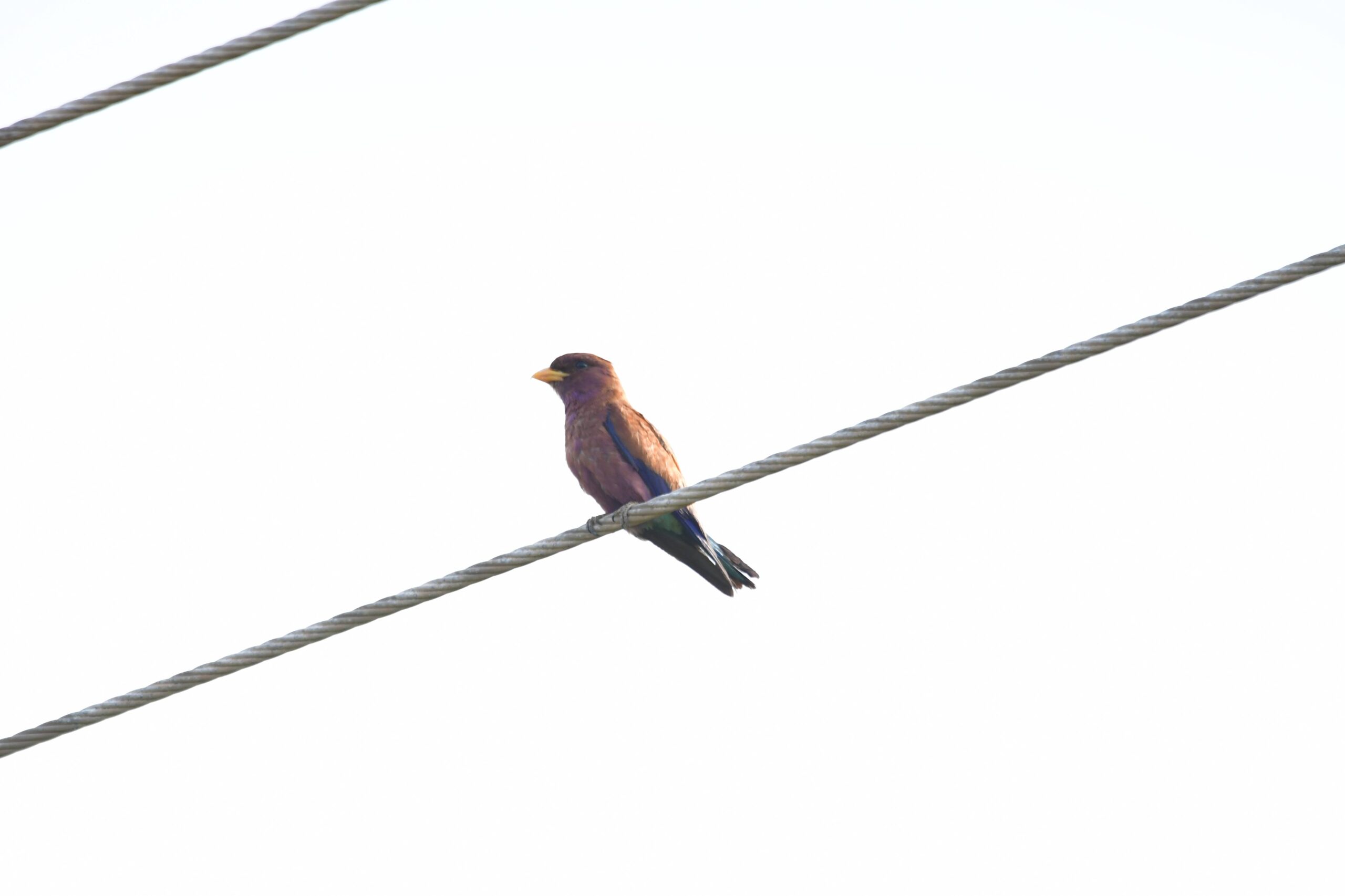
What a wonderful garden – I’ll never forget it. Literally 3 metres from the path that tourists walked along every day, several pairs of African Golden-Weavers had built their intricate nests. On almost every shrub decorated with colourful flowers, sunbirds of five different species were hopping around. The number of moving dots amid the lush vegetation, accompanied by unfamiliar songs and calls, was overwhelming in the first few days. But by around day 3, I had learned to distinguish the sounds and was tuning in to those I hadn’t yet identified. And this was only the beginning…
Another big advantage of this choice was the short distance to Chwaka Bay, where a whole host of species I wanted to see had been recorded on the eBird app. Another location I had planned to visit was Jozani National Park – the only national park on Zanzibar.
Jozani National Park – a VIP birding excursion
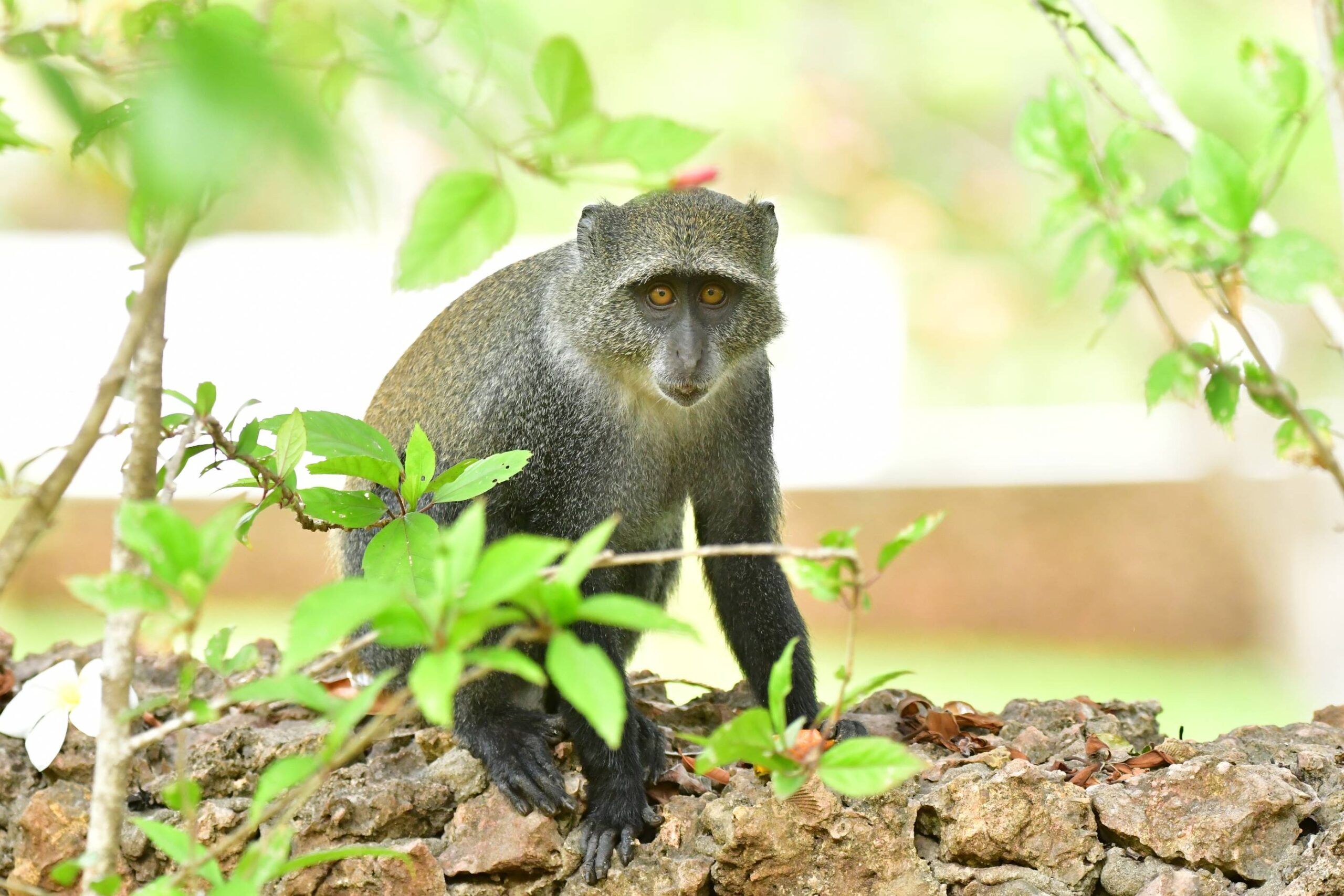
The park is famous above all for its endemic monkey – the Kirk’s red colobus (Piliocolobus kirkii).
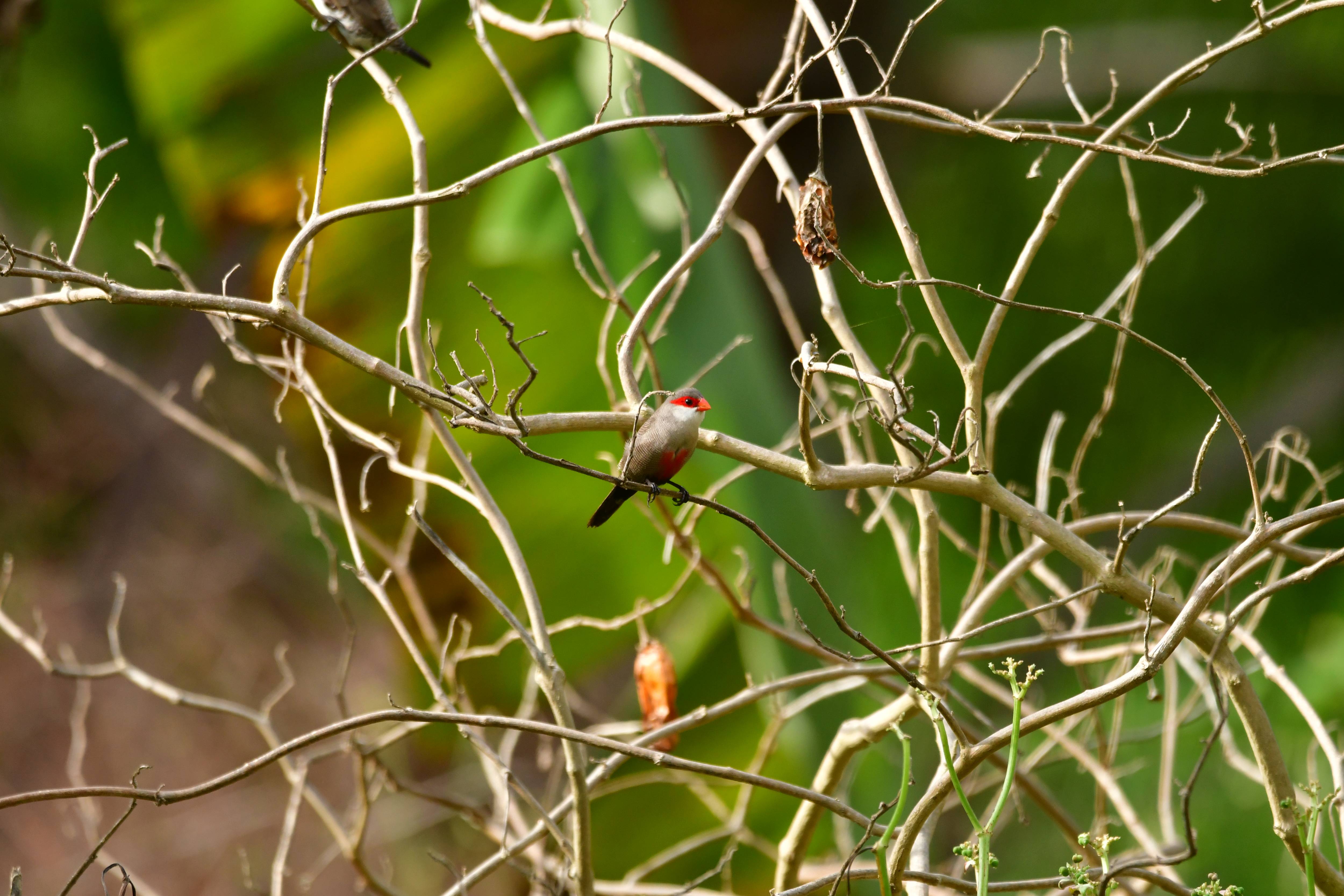
For a bird lover it is an equally fascinating place – here you can encounter the Fischer’s Turaco, which I so desperately wanted to see. The dense mist forest transitions into mangroves over Chwaka Bay, creating a mosaic of habitats that attracts both forest and wetland species. This is one of those places where, already at dawn, accompanied by hoots and flute-like trills, you can feel that you’re standing at the very centre of an evolutionary island at the crossroads of East Africa’s migration routes. Entry to the park is only possible with a guide, and as it happens, the park has organised a special VIP bird tour option. That’s exactly what we chose, and it was a great decision – our guide Milo was an experienced observer who took us first of all to nearby farmland. There we encountered a whole host of new birds for me, and there was also one very interesting snake lurking in a dense bush.
Species seen at Jozani National Park and surroundings: Common Waxbill, Yellow-rumped Tinkerbird, Crowned Hornbill, Eastern Nicator, Dark-backed Weaver, Green-backed Woodpecker, Zanzibar Sombre Greenbul, African Palm Swift, African Fish Eagle.
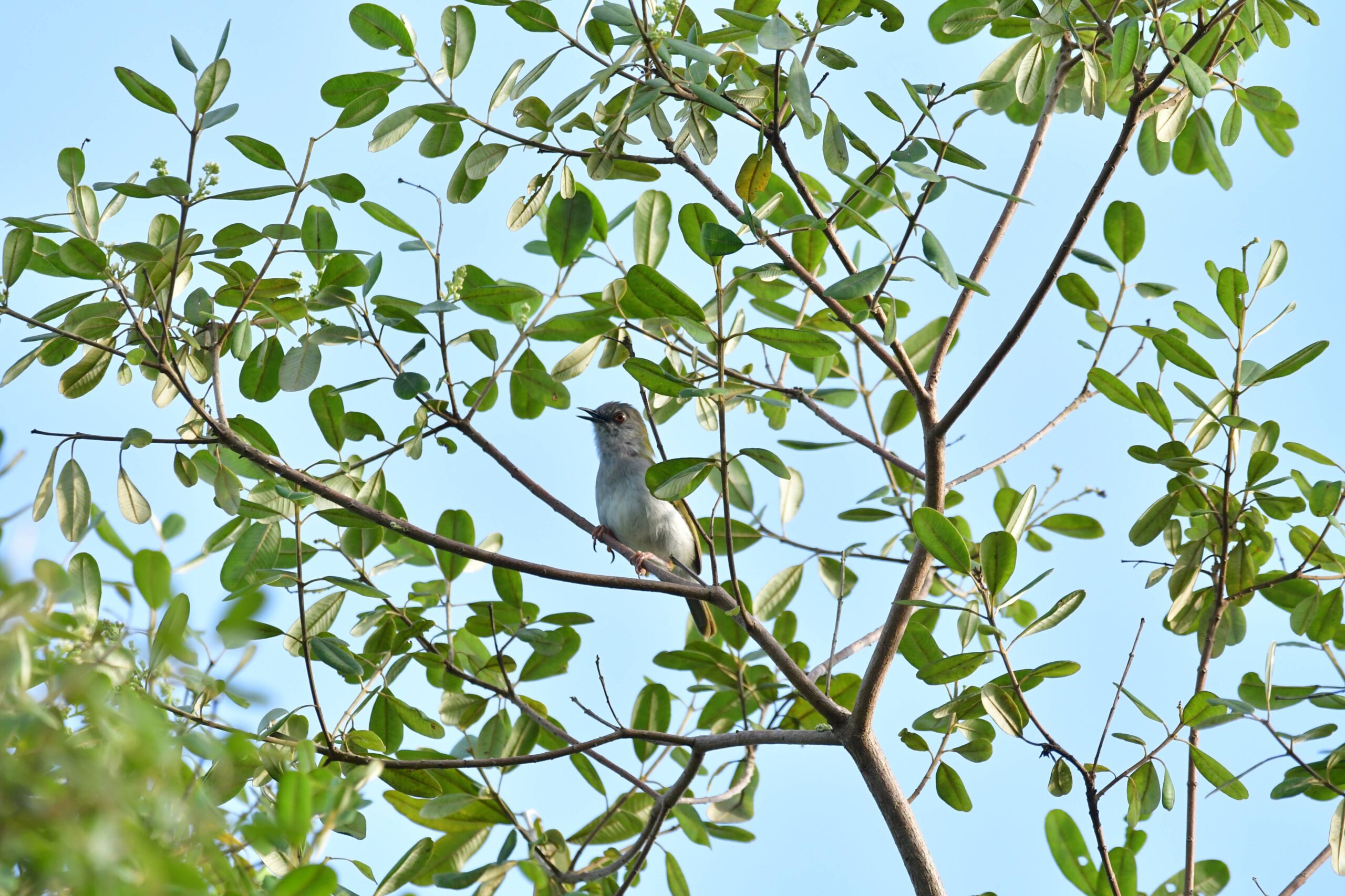
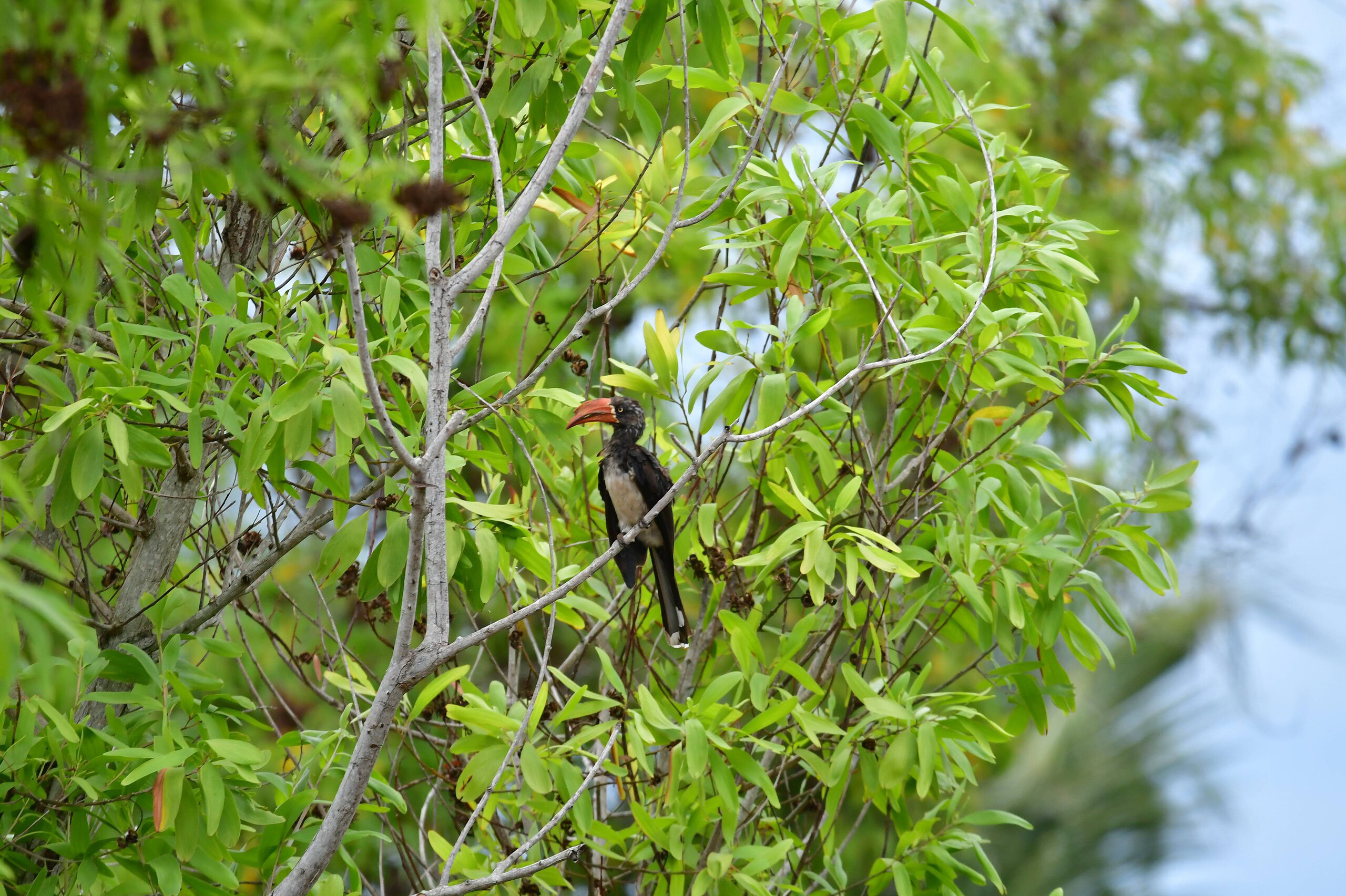
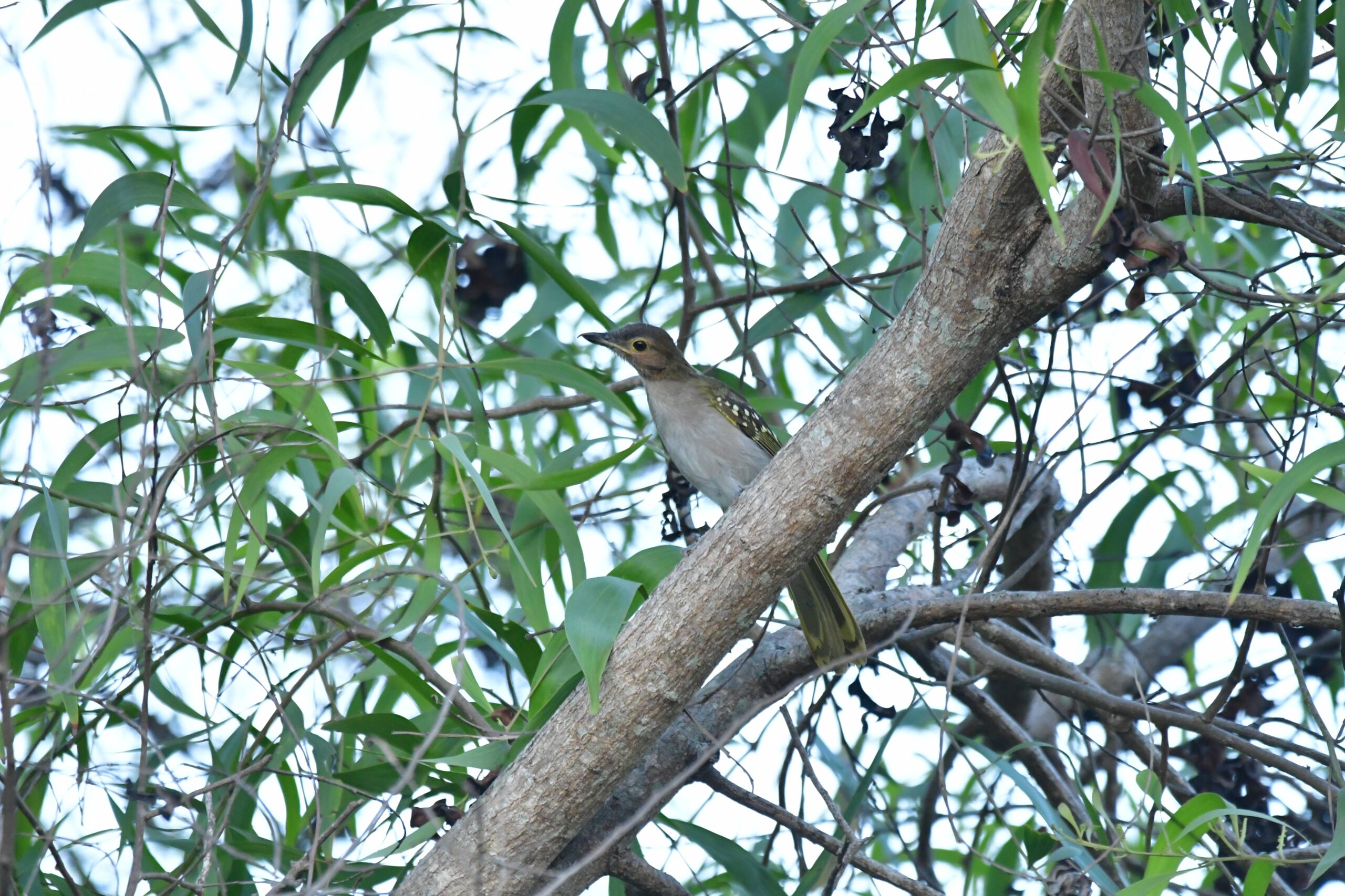
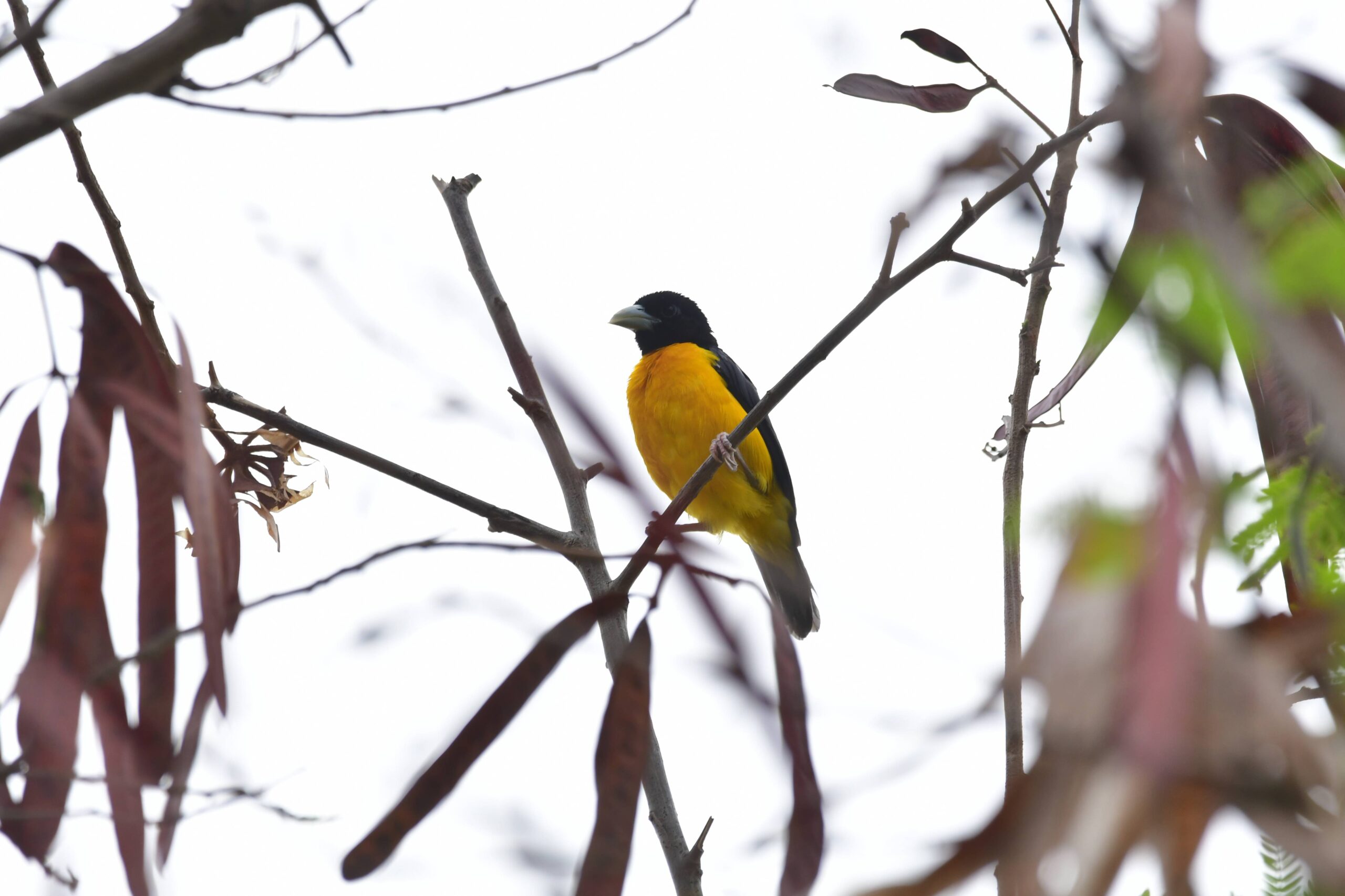
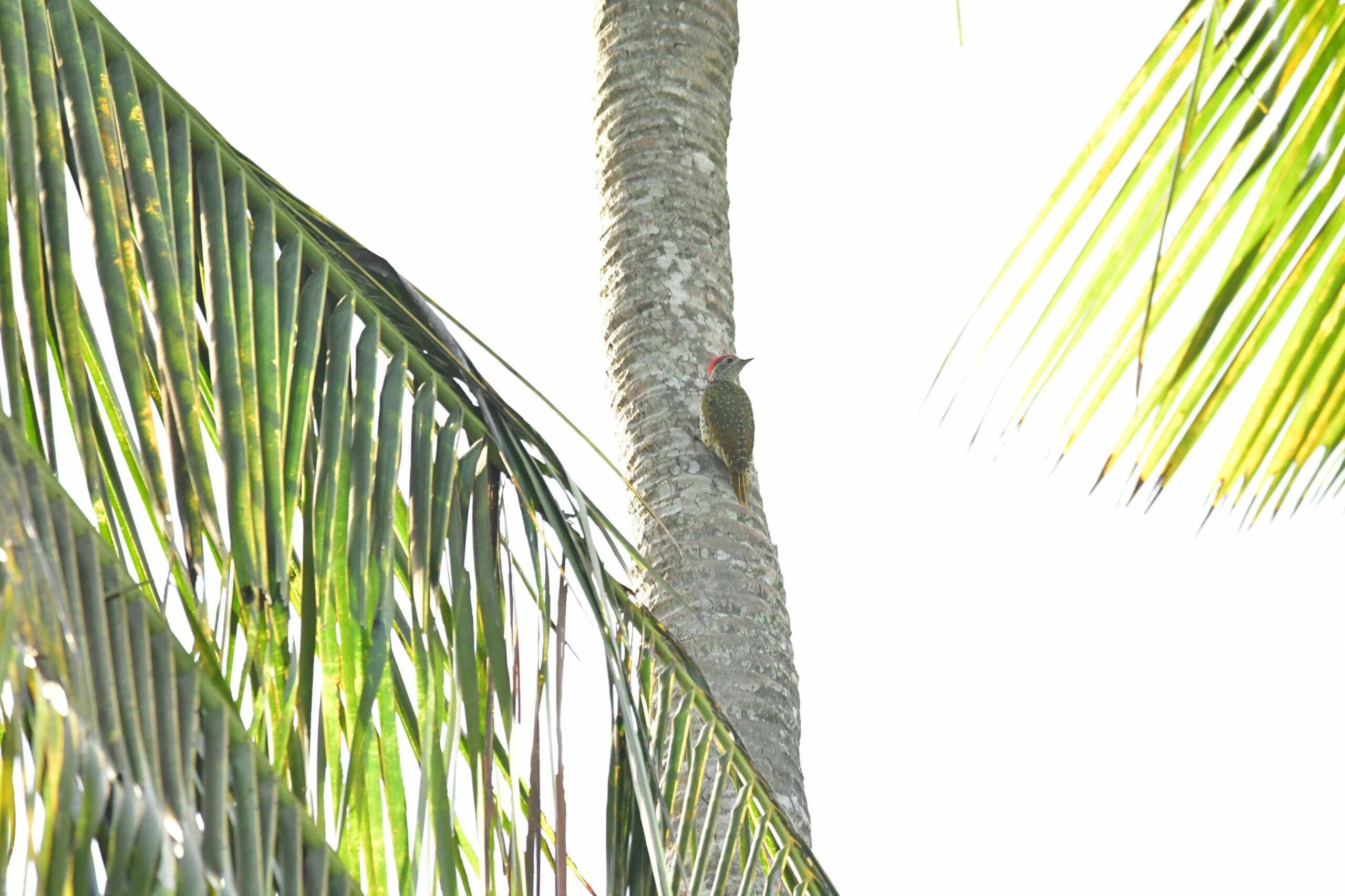
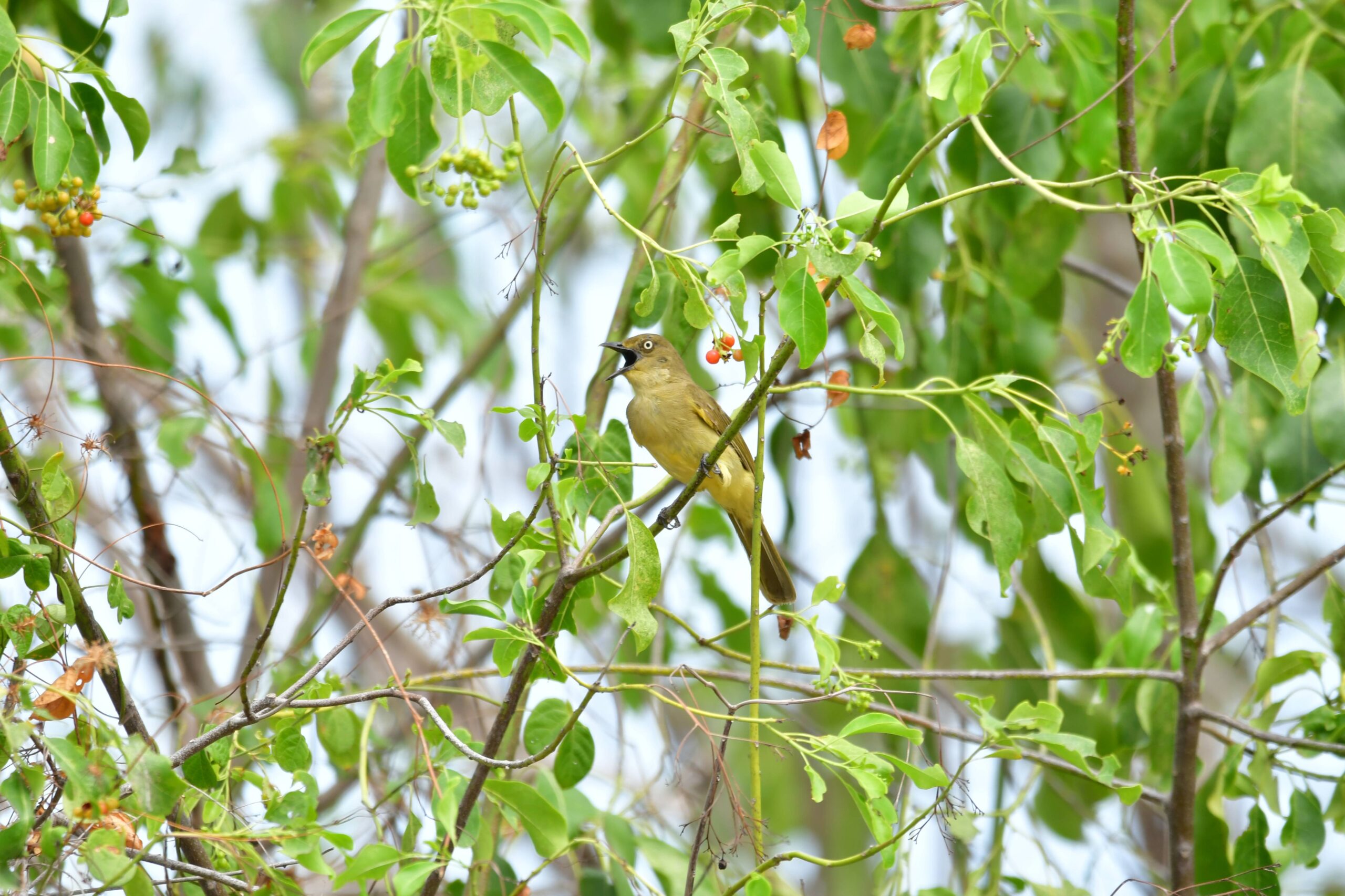

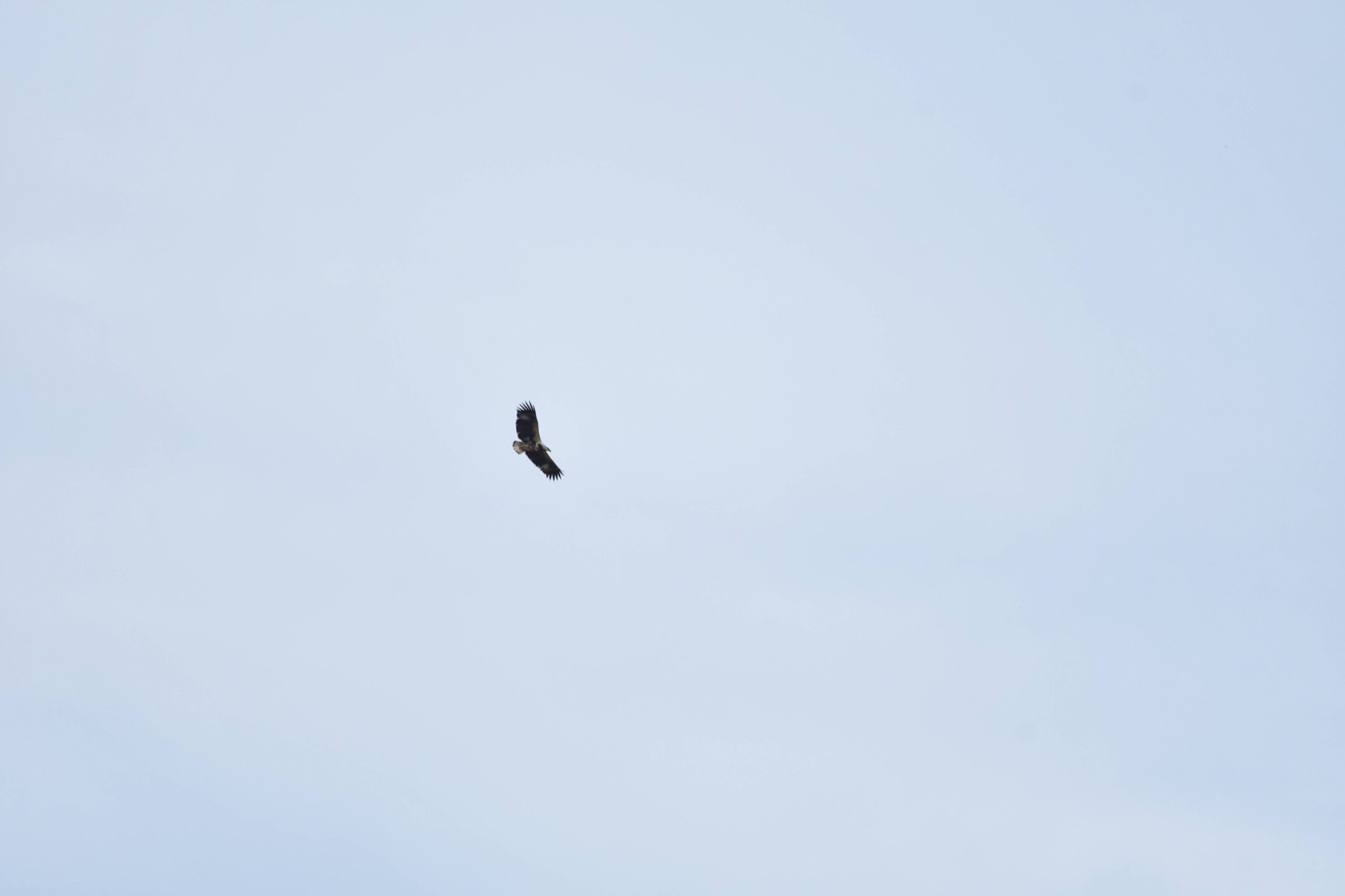
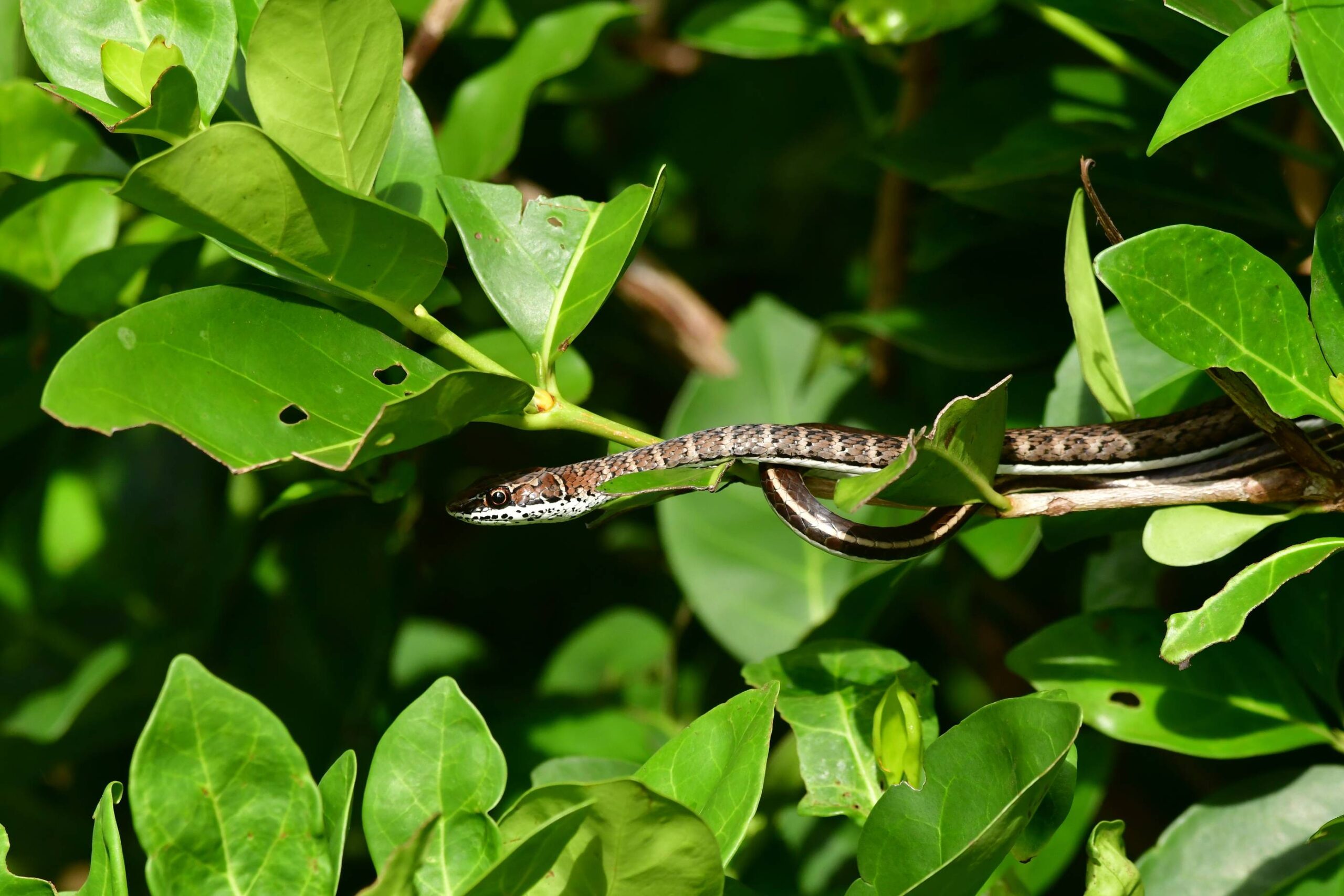
Unfortunately, that day was mega hot even early in the morning. The heat was so oppressive that after 3 hours of walking I suffered heat stroke. At first I thought a moment’s rest and extra hydration would sort things out, but I was wrong. Things started getting serious when a terrible headache, dizziness and nausea set in. Despite enormous determination and a desperate wish to see the Fischer’s Turaco, I had to cut the excursion short. That day ended for me around noon, as the effects of overheating and dehydration persisted until nightfall. It was a valuable lesson in humility, which gave me a lot to think about – mainly about the fact that I would have to go back there one day.
Chwaka Bay
A great idea for us was also a bicycle trip to Chwaka Bay. Admittedly, the bikes hired from the hotel were, by European standards, more suited to the scrap heap than tourist hire, but that doesn’t change the fact that accompanied by creaks and rattles they managed to get us from the hotel to the bay and back. At the bay itself I was in for a surprise – I had expected a good number of gulls, terns, waders and kingfishers in the mangrove thickets. Of that whole set, only the waders met my expectations; I didn’t see a single gull, tern or kingfisher there.
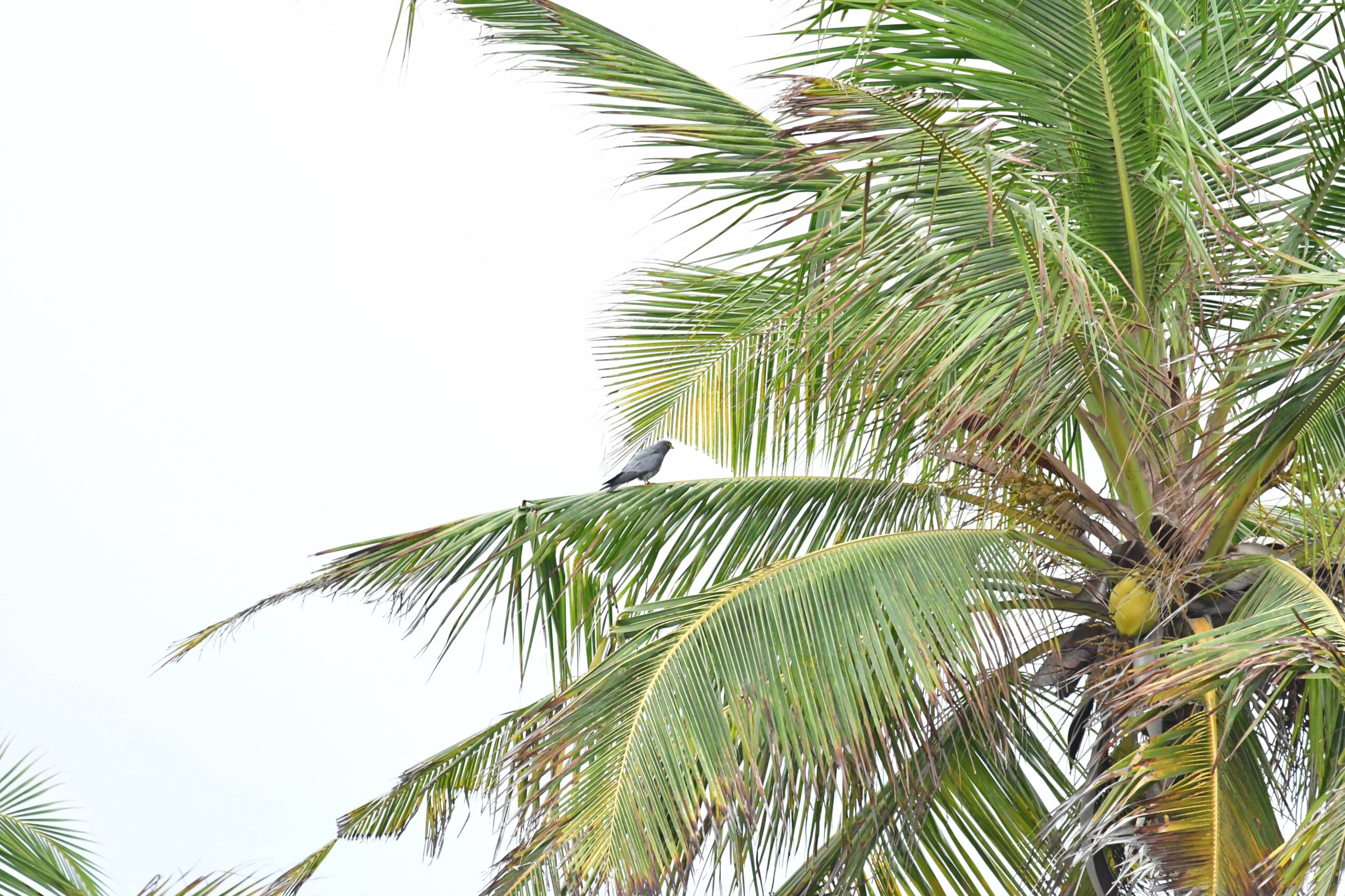
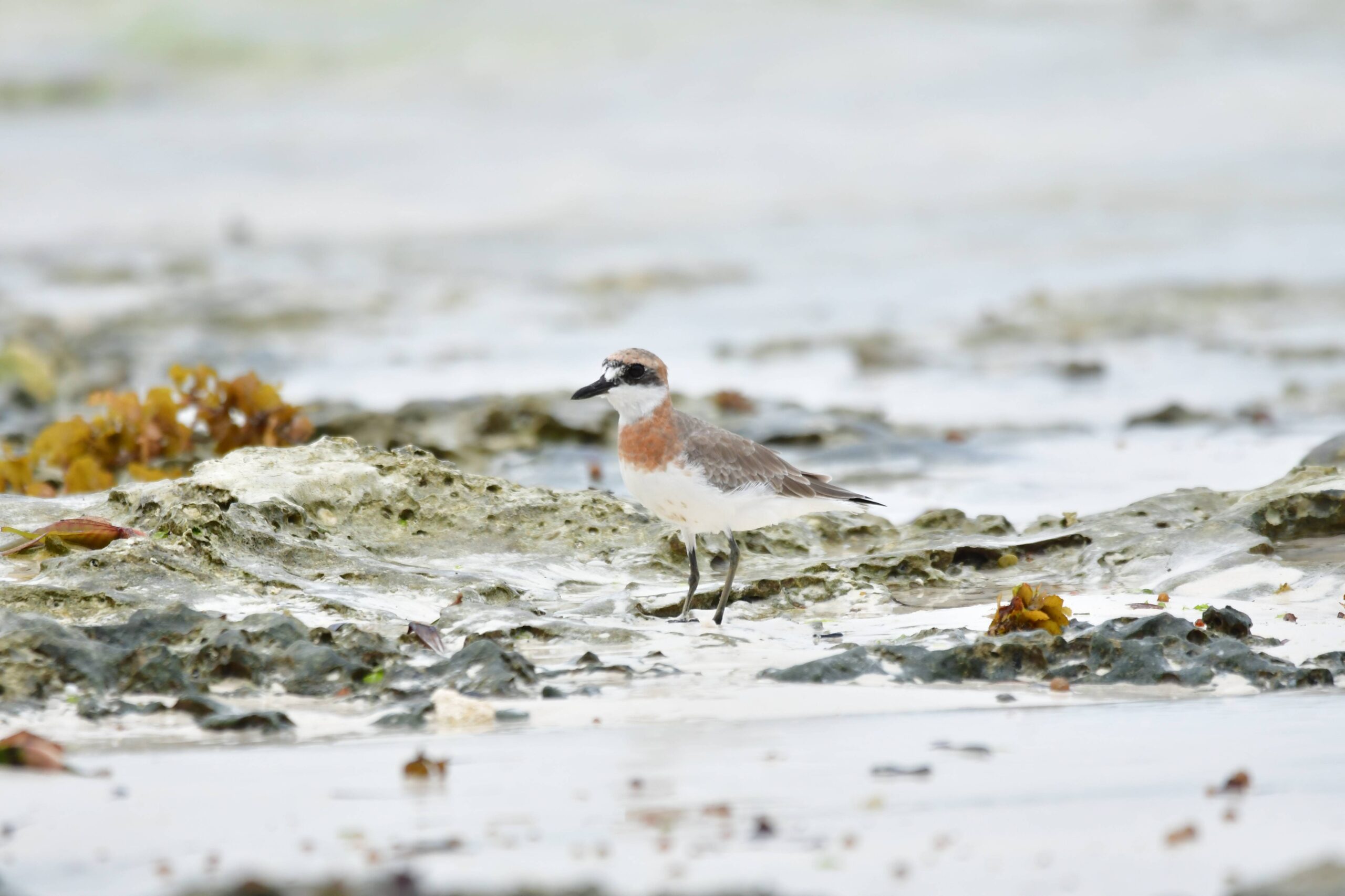
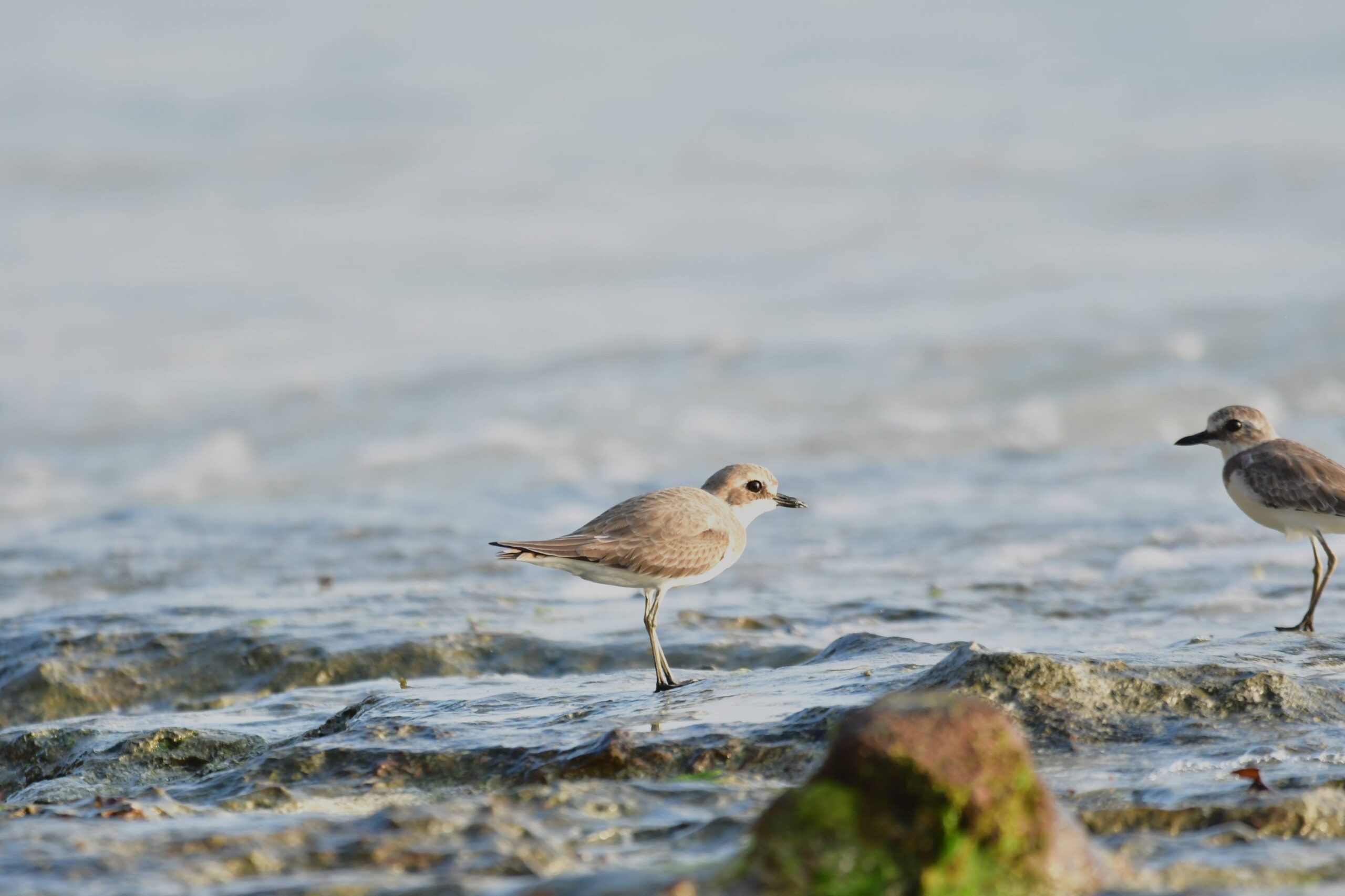
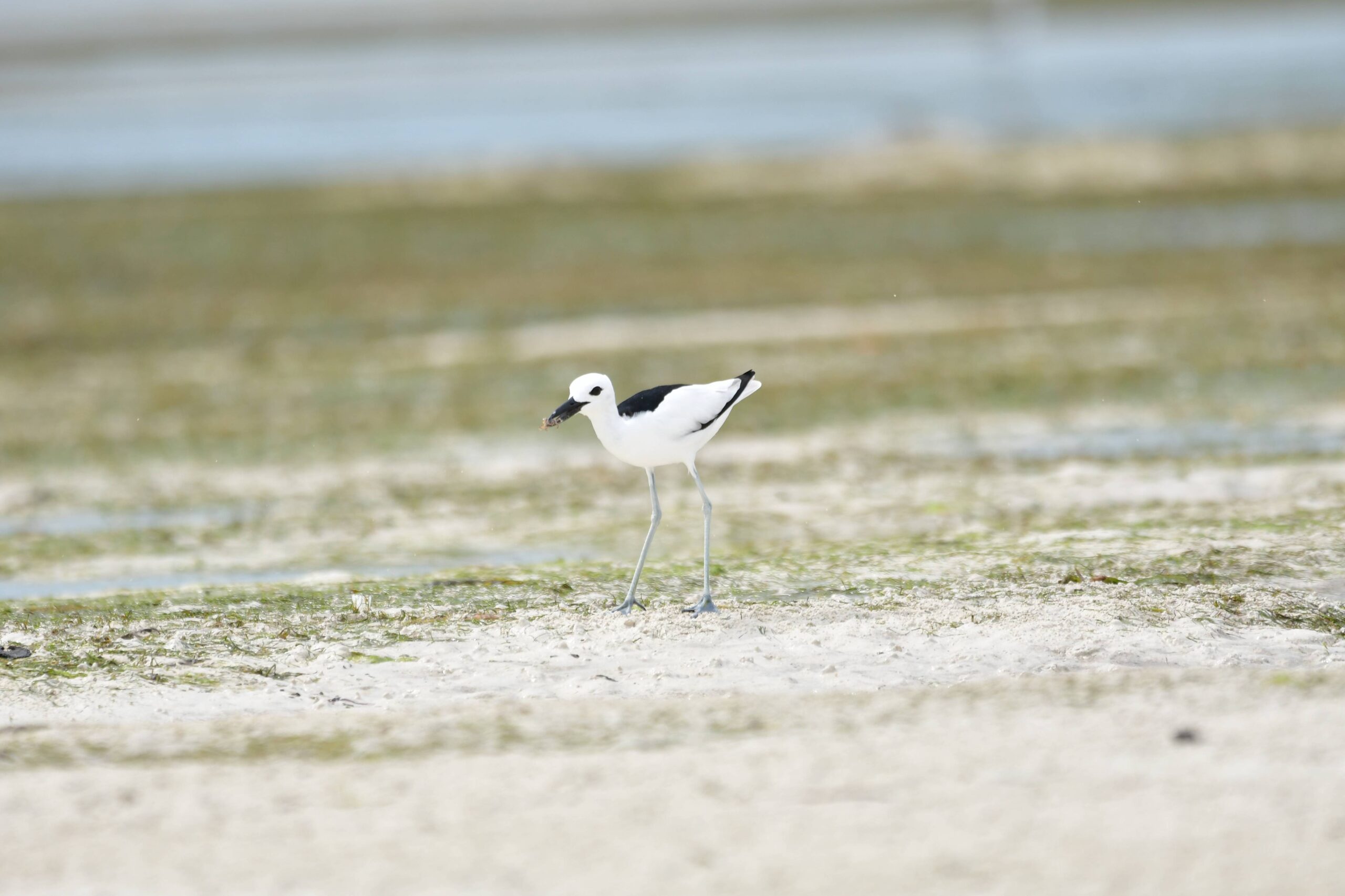
The crab-plovers, Black Herons, Grey Herons, Intermediate Egrets and Great Egrets were there in good numbers though. And among the sizeable flocks of Kentish Plovers, one could pick out gems such as White-fronted Plover, Lesser Sand Plover, Desert Plover and Siberian Sand Plover. And on the way back I managed to spot the icing on the cake – a Sooty Falcon resting on a palm tree. I would recommend this spot to any birder.
Stone Town and the spice plantation
We chose to travel to Zanzibar with Itaka – it was our first real trip to Africa (previously we had only been to Fuerteventura, which is geographically part of Africa, but culturally and politically is Europe), so we preferred not to organise everything ourselves. One of the undoubted advantages of travelling with a tour operator is the interesting optional excursions, and we took advantage of this by joining a trip to the spice plantation and Stone Town.
We particularly enjoyed the spice plantation tour – I can finally say that I showed my wife where pepper grows! Literally! Local guides took us around a large garden full of plants that in Poland we know mainly from cookbooks. We had the opportunity to see how local pepper, vanilla, cloves, cinnamon, cardamom, ginger, nutmeg and turmeric grow and taste (and that’s still only part of the list). The tour ended with a palm-tree climbing demonstration, shopping and a delicious lunch made from local ingredients.
Then came the time to explore UNESCO-listed Stone Town, and I have to admit it’s an attraction for people with strong nerves who are well prepared for a cultural shock. Information about the slave trade and the conditions in which it took place is just the beginning; then you have to come face-to-face with the overpowering stench of the local market, where meat and fish are sold. And that’s still just a side note to the ubiquitous beggars and souvenir sellers who sometimes even use blackmail to try to sell you something.
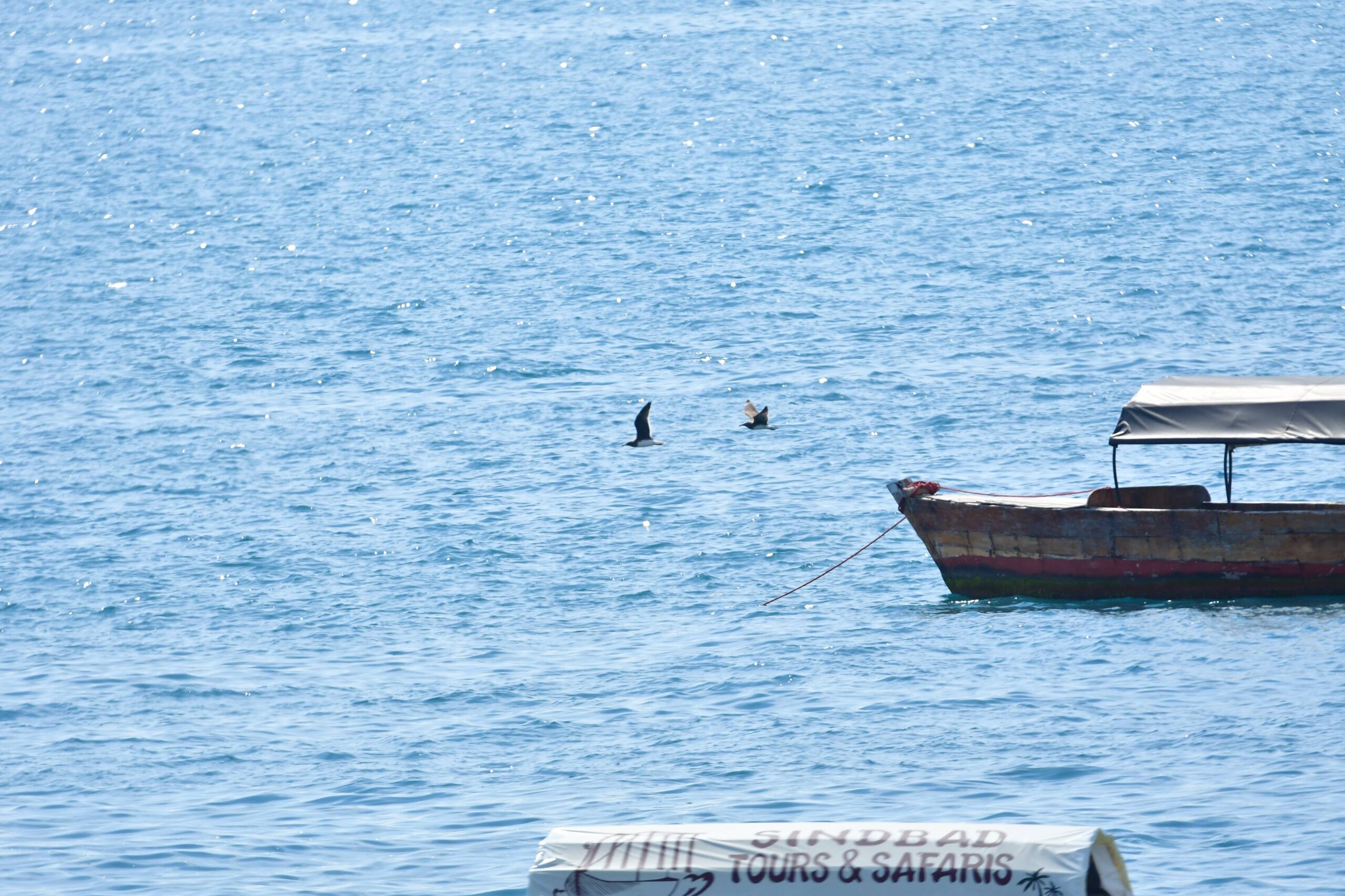
From a birding perspective, the day didn’t yield many observations – at the spice plantation I saw the same birds that had been hanging around the hotel, and in the city the only new species to make the list was a Sooty Gull spotted in the harbour.
Practical info – birding trip to Zanzibar and Tanzania
Before you pack your binoculars, sort out the formalities and required documents. The basic document is a passport valid for at least 6 months from the date of departure from Tanzania – this applies to every traveller, including children. You’ll also need a visa; a tourist visa costs around 50 dollars and can be obtained in two ways: online before departure or on arrival at the airport. Since 2024, all visitors to Zanzibar must also purchase travel insurance exclusively from the Zanzibar Insurance Corporation (ZIC) – standard foreign policies are not accepted, and lack of this document can result in being refused entry.
Regarding health: if you’re travelling from Poland, no vaccinations are required, but vaccinations against Hepatitis A and B and typhoid are recommended. Zanzibar is in the endemic zone for malaria, dengue and several other mosquito-borne diseases for which there are no effective vaccines – anti-malaria prophylaxis and a good repellent are an absolute must, especially for anyone planning to be out in the field at dawn and dusk.

As for clothing and equipment worth taking for birdwatching in the tropics, opt for breathable, long trousers and a long-sleeved shirt in muted colours (green, beige, brown), which simultaneously protect against the sun, insects and scratchy vegetation. For optics, 8×42 binoculars are a good compromise between field of view and image brightness in shaded forest; it’s worth securing them in a waterproof case, as humidity fluctuations and tropical dust can damage your optics. Sturdy ankle boots with a waterproof membrane are advisable – paths in the mangroves and forest can be muddy year-round, and solid-soled footwear is also very useful on the rocky sections of the beach.
You can also find advice online to bring a spotting scope, and it’s true that a scope is always handy for birdwatching – but I didn’t bring one and didn’t regret it at all. During the entire trip there was only one moment when I wished I had a scope with me; most observations can be made at distances perfectly suited to binoculars. In my view, a spotting scope plus tripod is a lot of bulk and weight that you can comfortably leave out of your luggage.

Zanzibar birds – observation list from the trip
New species on my life list:
- Common Waxbill
- Yellow-rumped Tinkerbird
- African Fish Eagle
- Common Bulbul
- Zanzibar Sombre Greenbul
- Crab-plover
- Black Heron
- Green-backed Woodpecker
- Lesser Striped Swallow
- African Palm Swift
- Lilac-breasted Roller
- Broad-billed Roller
- White-browed Coucal
- Water Thick-knee
- Striped Kingfisher
- Sooty Gull
- African Pied Wagtail
- Purple-banded Sunbird
- Mouse-coloured Sunbird
- Scarlet-chested Sunbird
- Collared Sunbird
- Eastern Nicator
- White-fronted Plover
- Lesser Sand Plover
- Desert Plover
- Siberian Sand Plover
- Sooty Falcon
- Crowned Hornbill
- Red-eyed Dove
- Ring-necked Dove
- African Pipit
- Emerald-spotted Wood Dove
- Green-headed Sunbird
- Zanzibar Red Bishop (Yellow-rumped Tinkerbird)
- Black-bellied Weaver
- Dark-backed Weaver
- African Golden-Weaver
- Malachite Sunbird
Other species observed:
House Sparrow, Common Sandpiper, Red-backed Shrike, Spotted Flycatcher, African Green Pigeon, Great Egret, Intermediate Egret, Indian House Crow, Eurasian Golden Oriole, Grey Heron, Greater Crested Tern, Eurasian Curlew, Whimbrel, Ruddy Turnstone, Kentish Plover, Eastern Cattle Egret, Little Ringed Plover.
The observation list could have been considerably longer, but we didn’t manage to complete all the programme points I had originally planned. When I was planning the Zanzibar trip I had hoped to also visit Pemba Island, where you can find several endemics – unfortunately, due to inherent laziness and the heat stroke that effectively put me off such adventures, we abandoned that plan.
Zanzibar up close – cultural shock included in the ticket price
Zanzibar is not just a turquoise lagoon from a travel agency brochure – it’s an island where in the course of one walk you can go from a luxury resort through a market full of the scents of cloves and fried fish to the narrow streets of Stone Town, where laundry dries between buildings from the era of the sultanate. Poverty is visible to the naked eye and there’s no point in romanticising it – but equally visible is the dignity with which people live here, and the selfless warmth they show to visitors from a place where everything is richer and easier. On the beaches you’ll inevitably encounter beach boys – local sellers, guides and organisers of everything – who’ll approach you with a smile and an offer of a trip, a massage or a fresh coconut. Some can be persistent, but there’s no aggression; they’re simply people seeking a livelihood in a place where tourism is one of the few available sources of income.
It’s worth bearing in mind, however, that handing out money, sweets or trinkets to children – though it reflexively seems like a kind gesture – in the longer term harms the local community: it entrenches begging, discourages children from attending school and means that every white tourist becomes a walking cash machine. If you want to support the locals, do so consciously – buy something at the market, use the services of a local guide, eat at a small restaurant away from the hotel zone.
Once you’re in Zanzibar, three Swahili phrases will quickly become second nature to you – they’ll come in very handy and will bring a smile to the face of every local you meet:
Jambo – Hello!
Pole pole – Slowly, slowly – their answer to every delay
and the world-famous – Hakuna matata – no problem, everything’s fine
Summary – is it worth going to Zanzibar for the birds?
In short – absolutely yes! Even though searching for birds was not our primary holiday plan this time and we devoted only two of our eight days entirely to birdwatching, I managed to observe 38 new species on my life list. And that’s a result that on a more bird-focused trip to Zanzibar could easily be doubled.
Zanzibar has the rare advantage of working on many levels simultaneously – birdwatching can be combined there without any problem with regular sightseeing and relaxation. Exotic birds are literally everywhere, sometimes within arm’s reach. The Jozani Forest, the mangroves of Chwaka Bay, the open coastlines at low tide, the bush-covered scrubland – each of these places offers a completely different avifauna. So if you’re wondering whether it’s worth combining birdwatching with an all-inclusive holiday, the answer is: absolutely yes, and without any sacrifice for the rest of your group.
We chose an all-inclusive package with Itaka, and that too was a great idea – the first real contact with Africa was somewhat shocking but very exciting. That’s exactly what we needed, and the tour operator took care of all our comforts. If you’re planning birdwatching on Zanzibar as a holiday add-on – I’d strongly recommend this option. I think that after this experience, I’ll have the courage to organise my next African adventure on my own.
I`m was looking for some advice about birding trip to Zanzibar, thanks for it, very usefull